Vocabulary
Anatomical Directions
Labeling Bones
Random ?'s
Bone Fracture Repair
100
A mature bone cell
Osteocyte
100
:watermark(/images/watermark_only_413.png,0,0,0):watermark(/logos/logo_url_sm.png,-10,-10,0):format(jpeg)/images/learnable/pronation-of-forearm/lXLk762soEQ2vgnetkurw_Pronation_of_forearm.png)
Turning the palm upward is referred to as ________________. Turning the palm downward is referred to as ____________________.
SUPINE(SUPINATION), PRONE(PRONATION)
100
Identify the bones of the arm and hand.
I will point to them.
:background_color(FFFFFF):format(jpeg)/images/article/the-radius-and-the-ulna/zVRDboNAAkdN53uVUGFIA_Radius_and_ulna_-_anterior_view.png)
RADIUS, ULNA, CARPALS, METACARPALS, PHALANGES
100
A ring or membrane of an osteon?
What is the LAMELLAE
100
Step 1: formation of a _____________ around the site of the break.
HEMATOMA
200
A junction of two or more bones. Also known as a joint.
What is ARTICULATION
200
Moving the sole of the foot inward is referred to as _______________________.
Moving the sole of the foot outward is referred to as _______________________.
INVERSION, EVERSION
200
Identify these bones. I will point to them.
:background_color(FFFFFF):format(jpeg)/images/article/curvature-and-movements-of-the-vertebral-column/2lN6EJAaIO28UGIWSJM1Q_nxGXIOIToCC4RDQaOrKA_Spine_1.png)
CERVICLE, THORACIC, LUMBAR
BONUS: WHAT DO WE CALL THE 1ST TWO CERVICAL VERTEBRAE
200
Canals that run longitudinally in compact bone containing blood vessels + nerve
Haversian canals OR Central canals
200
Step 2: _________________ which are a type of cell forms a _____________________ which holds bones together.
CHONDROCYTES
FIBROCARTILAGE CAPSULE/CALLUS
300
_______________connects bone to bone and _______________connects bone to muscle.
What are ligaments and tendons.
300
Identify the movement in picture A.
Identify the movement in picture B.

A. RETRACTION
B. PROTRACTION
300
Identify these bones. I will point to them.
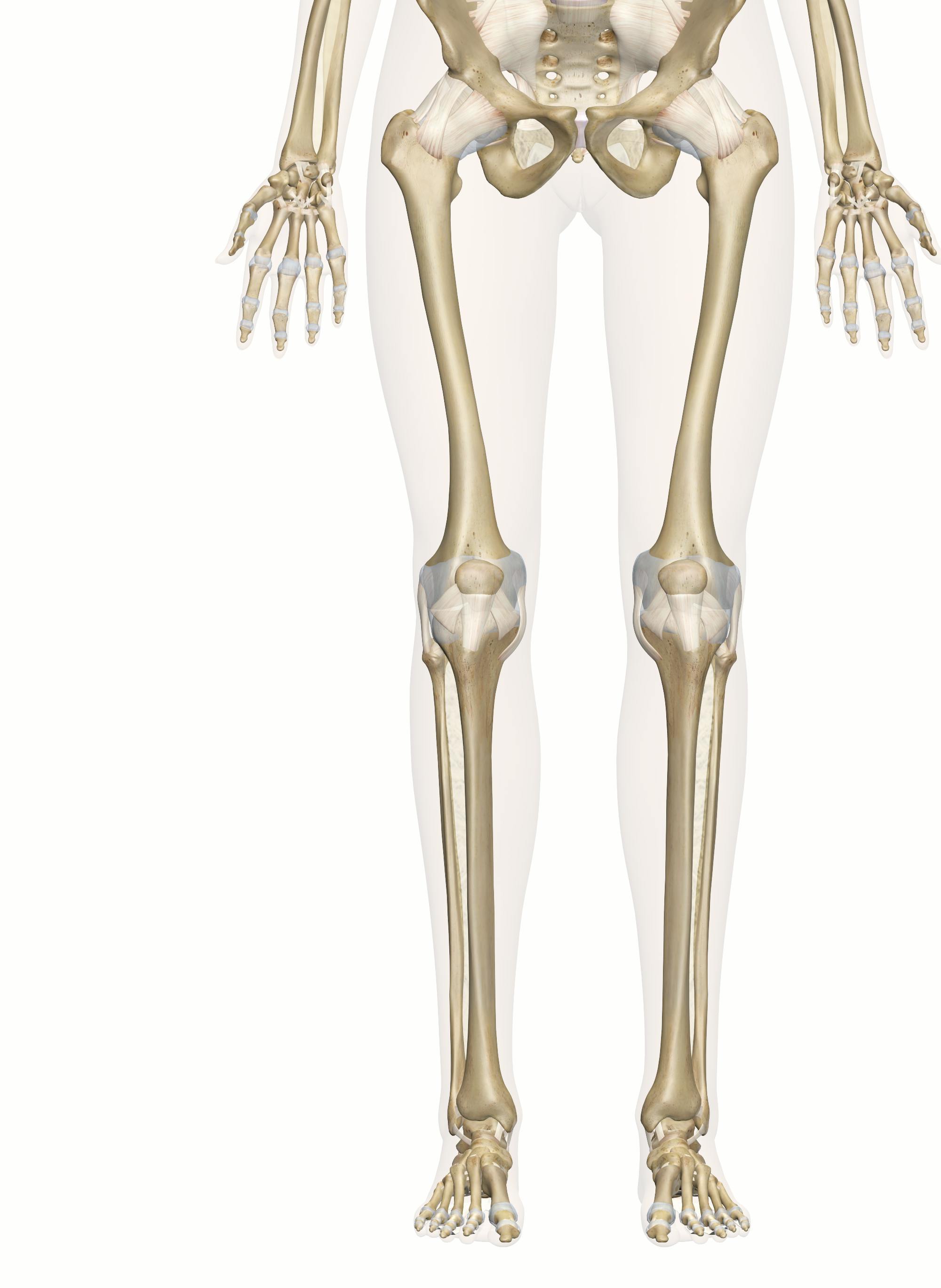
FEMUR, PATELLA, FIBULA, TIBIA
300
Which type of fracture occurs after a bone has been twisted and breaks at an angle?
Which type of fracture occurs when a bone breaks in 3 or more places?
Which type of fracture occurs in young bones where it cracks but doesn't break completely?
SPIRAL FRACTURE
COMMINUTED
GREENSTICK
300
Step 3: _______________ begin to form a __________________ callus made of spongy bone.
OSTEOBLAST
BONY
400
Blood cell formation is referred to as__________________ and the process of bone formation is referred to as _______________________.
What is HEMOPOIESIS and OSSIFICATION
400
What 3 anatomical movements are shown in the image below?

FLEXION, EXTENSION, HYPEREXTENSION
400
Identify these bones. I will point them out.
:background_color(FFFFFF):format(jpeg)/images/library/13792/Bony_pelvis__Pelvis_ossea_.png)
ILIUM, ISCHIUM, SACRUM, COCCYX
400
Which of the following bones are apart of your appendicular skeleton?
a. sacrum
b. ilium
c. humerus
d. clavicle
e. cervicle vertebrae
ILIUM, HUMERUS, CLAVICLE
400
Step 4: The process of the bony callus being replaced with compact bone is called_________________.
The type of cell that removes the excess bone is called ___________________.
REMODELED
OSTEOCLAST
500
Which 2 bone cells play a role in osteoporosis?
Explain what happens as a result.
Osteoblast and osteoclasts.
Osteoclasts absorb bone faster than osteoblast form bone. This results in decreased bone density and strength.
500
While performing a jumping jack, the appendages are providing an example of which two anatomical movements?
ABDUCTION, ADDUCTION
500
Identify these 5 bones. I will point them out.
MADIBLE, ZYGOMATIC, SPHENOID, LACRIMAL, ETHMOID
500
List the 4 main functions of osseous tissue(bone tissue).
1. Protection
2. Support/movement
3. Blood cell formation
4. Mineral storage
500
The whole process of healing a bone fracture takes about...?
6-10 weeks.