Empire State of Mind
Progressives Gone Wild
War, What Is It Good For?
Roaring, Boring, or Both (1920s)
When the Economy Fell Apart
✨🎉
Final Jeopardy
🎉✨
Final Jeopardy
🎉✨
100
This policy aimed to give the U.S. economic access to China without taking it as a colony.
Open Door Policy
100
Journalists who exposed social and economic problems to build pressure for reform were called these.
Muckrakers
100
This kind of warfare caused stalemate and heavy casualties because defenses made advances extremely costly.
Trench warfare
100
After WW1 many Americans wanted a more stable life leading them to vote for anyone who could promise them this
A return to normalcy
100
When people rushed to withdraw money because they feared banks would fail, it was called a bank ____.
Bank run
200
This group argued that ruling foreign peoples without their consent contradicted American democratic ideals.
Anti-Imperialist League
200
Initiative, referendum, and recall are all these types of tools
Direct democracy
200
This German policy challenged U.S. neutral rights by attacking ships without warning.
Unrestricted submarine warfare
200
“Buy now, pay later” spending that shaped the 1920s and increased debt was called this
Installment buying (credit)
200
Unemployment and wage cuts worsened the Depression because they reduced this, causing more cuts and layoffs.
Consumer spending (consumer buying)
300
This amendment gave the U.S. the right to intervene in Cuba and maintain a naval base, even after Cuba gained formal independence.
Platt Amendment
300
This fire supported Progressive arguments for labor safety laws and government regulation.

Triangle Shirtwaist Factory fire
300
This intercepted message increased U.S. support for entering WWI by suggesting a plan involving a neighboring country and threatening U.S. security.
Zimmermann Telegram
300
Prohibition unintentionally helped strengthen this by creating illegal markets (speakeasies).
Organized crime / criminal networks
300
Hoover’s response emphasized voluntary cooperation, local charity, and this type of federal approach.
Limited direct federal relief/(hands off)/little to none
300
This international organization was proposed to prevent future wars, but many Americans opposed joining because they feared being pulled into conflicts.
What is the League of Nations?
400
This image is trying to appeal to your emotions to encourage you to support the war effort. It is a type of what?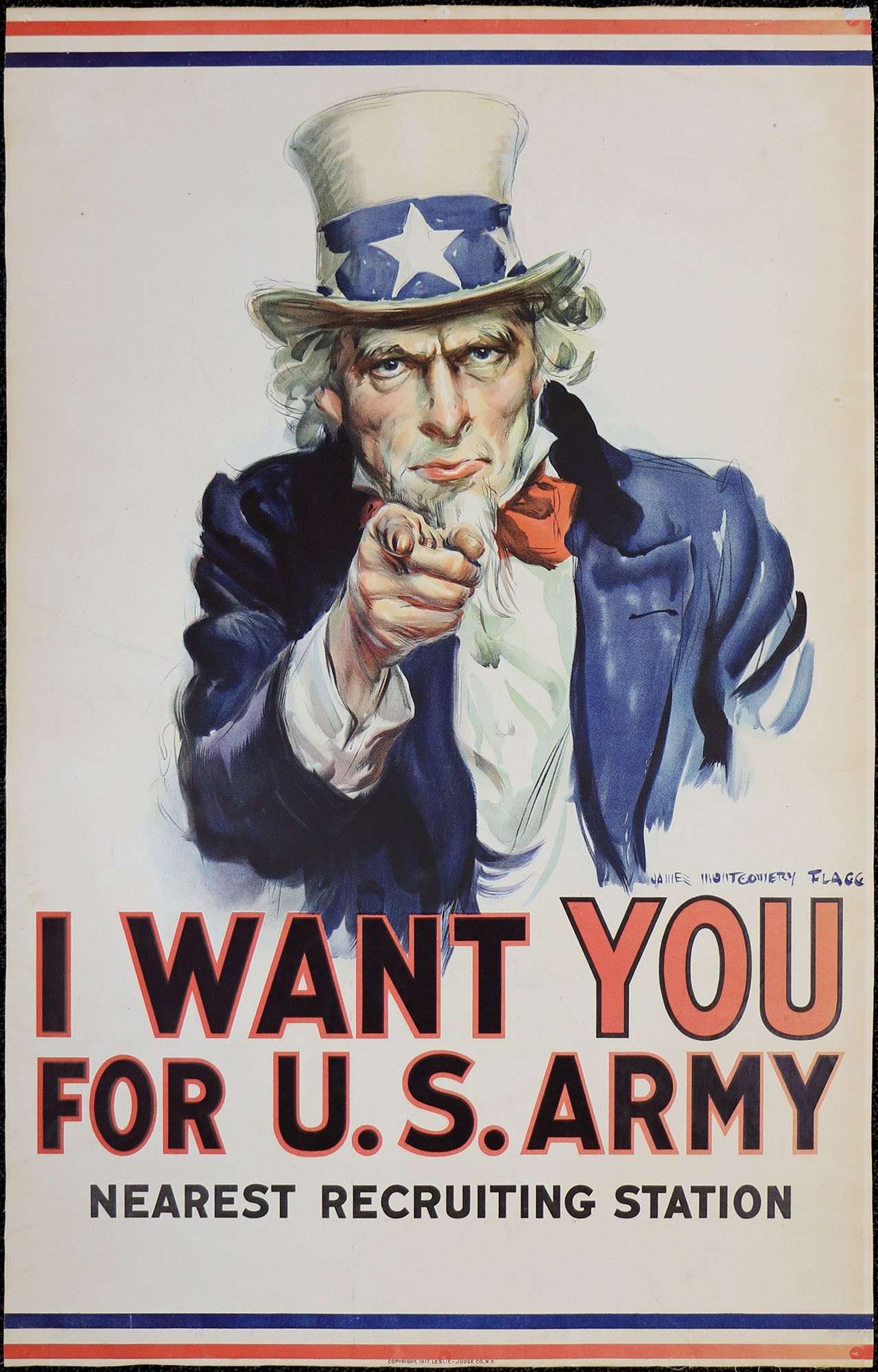
Propaganda
400
Roosevelt’s plan emphasized regulating big business, while Wilson’s emphasized this approach (what did Wilson want to break up?)
Breaking up trusts to restore competition
400
This organization promoted pro-war messages to shape public opinion and build support for the war.
Committee on Public Information (CPI)
400
This image shows this 1920s system designed to restrict certain immigrant groups and favor earlier immigrant groups.

Immigration quotas (quota system)
400
This image showed the struggle many real Americans were facing and increased public support and pressure for this.
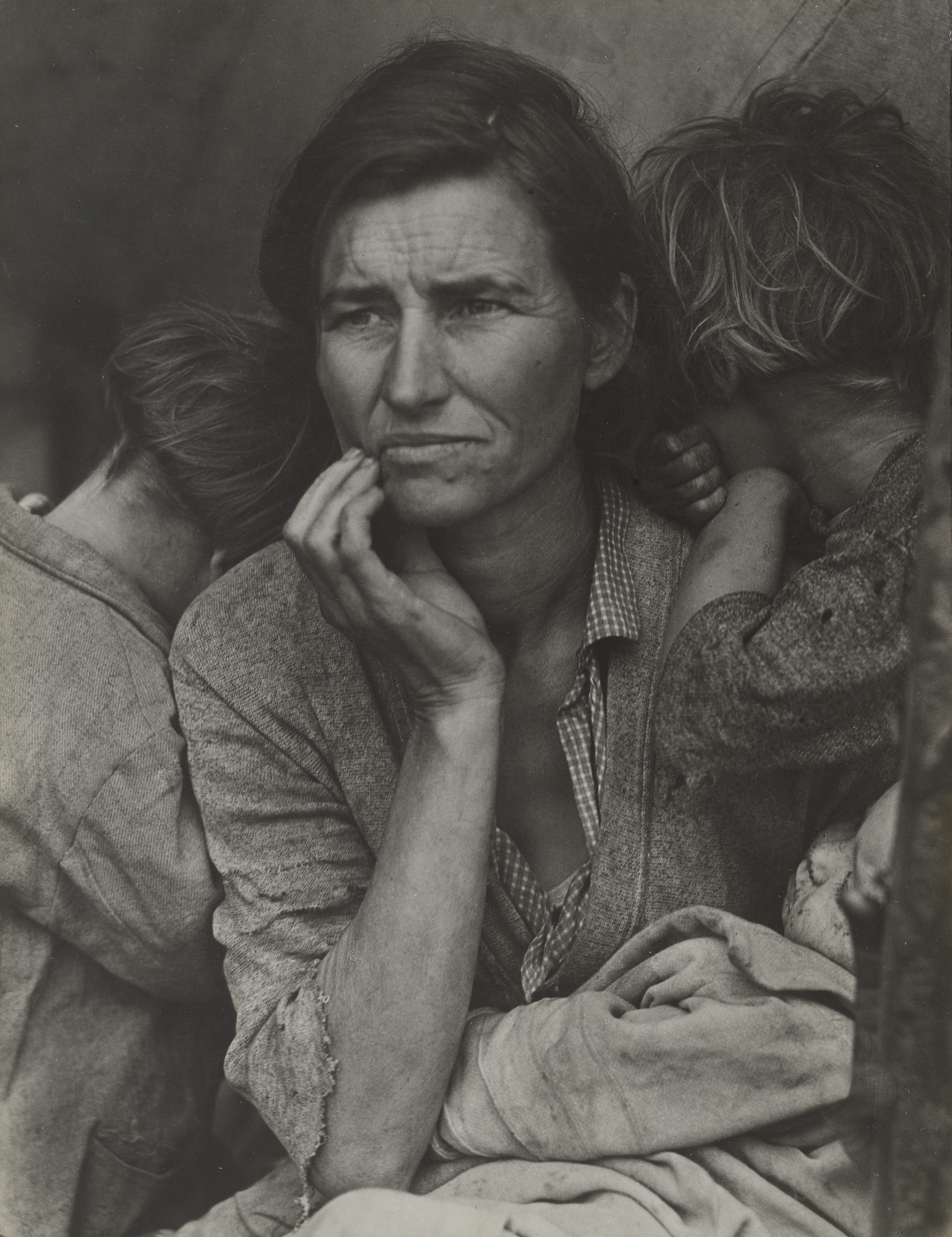
Government relief and a stronger safety net
500
DAILY DOUBLE
This combination best explains why the U.S. supported imperialism in the late 1800s.
New markets/trade, military power, and a “civilizing mission” belief
500
This system was created to stabilize banking and reduce the risk of financial panics.
Federal Reserve System
500
DAILY DOUBLE
These laws increased government power to punish speech viewed as undermining the war effort.
Espionage and Sedition Acts
500
This 1920s trial became a symbol of conflict between modern science/education and traditional religious values.
Scopes Monkey Trial
500
This tariff worsened the Depression by reducing trade when other countries retaliated.
Smoot-Hawley Tariff