1900s -1940s
Early Cold War
Role of Women in World War II
World War I
Economic Effects
Economic Effects
Progressive Era
100
Which of these factors contributed most to the Dust Bowl?
A. Flash flooding and intense deforestation
B. High winds and railroad construction
C. Prolonged drought and poor farming practices
D. Severe heat and rapid suburban development
C. Prolonged drought and poor farming practices
100
NATO was created in response to concerns about-
A. the Soviet Union and Communism
B. Italy and Nazism
C. Germany and Fascism
D. Japan and Militarism
A. the Soviet Union and Communism
100
What Amendment gave women the right to vote?
19th Amendement
100
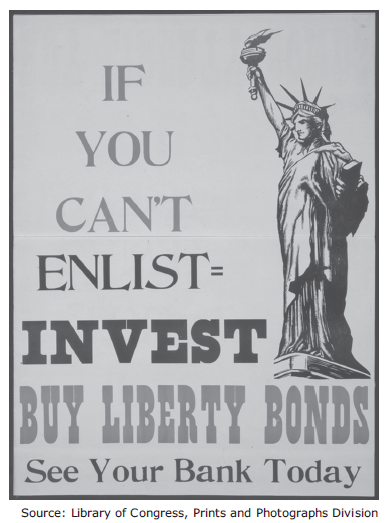
This World War I-era poster was intended to persuade -
A. farmers to consume fewer scarce goods during the war
B. people to save money during the war
C. women to work producing war materials
D. people to help finance the war
D. people to help finance the war
100
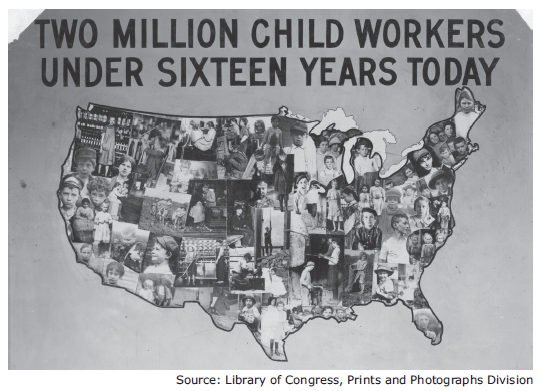 The issue addressed by this poster is primarily associated with the -
A. Progressive Era
B. Roaring Twenties
C. Great Depression
D. Cold War
A. Progressive Era
200
Jackie Robinson first rose to national prominence in the late 1940s when he-
A. organized sit-ins to desegregate lunch counters
B. helped bring an end to racial segregation in Major League Baseball
C. enrolled in the racially segregated University of Mississippi
D. participated in the Freedom Rides to desegregate interstate bus terminals
B. helped bring an end to racial segregation in Major League Baseball
200
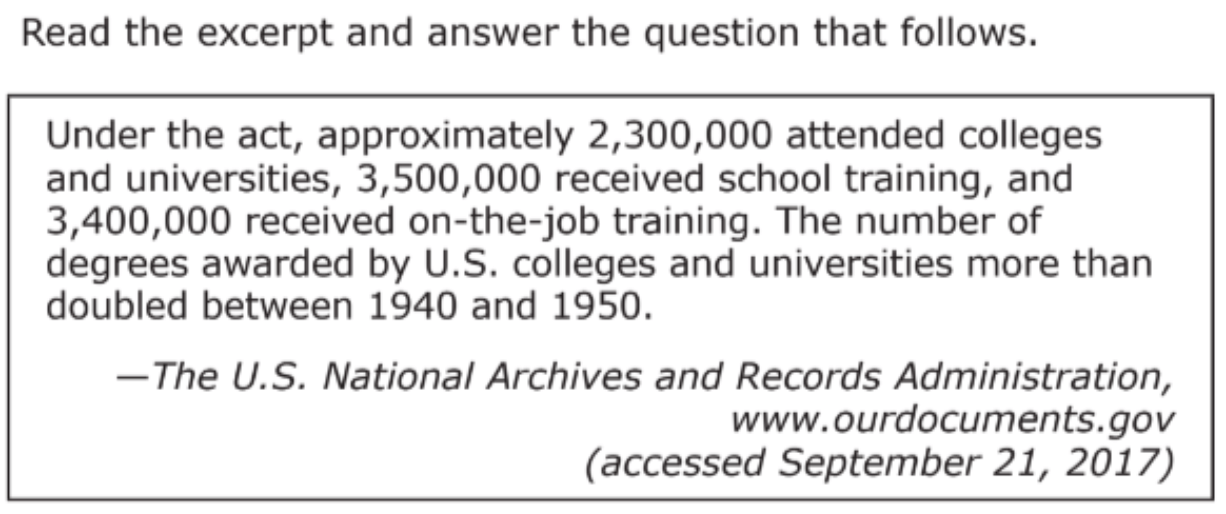
Which government action directly contributed to these changes?
A. Passage of the Federal Reserve Act
B. Passage of the National Security Act of 1947
C. Passage of the Servicemen's Readjustment Act of 1944
D. Passage of the Central Intelligence Agency Act
C. Passage of the Servicemen's Readjustment Act of 1944
200
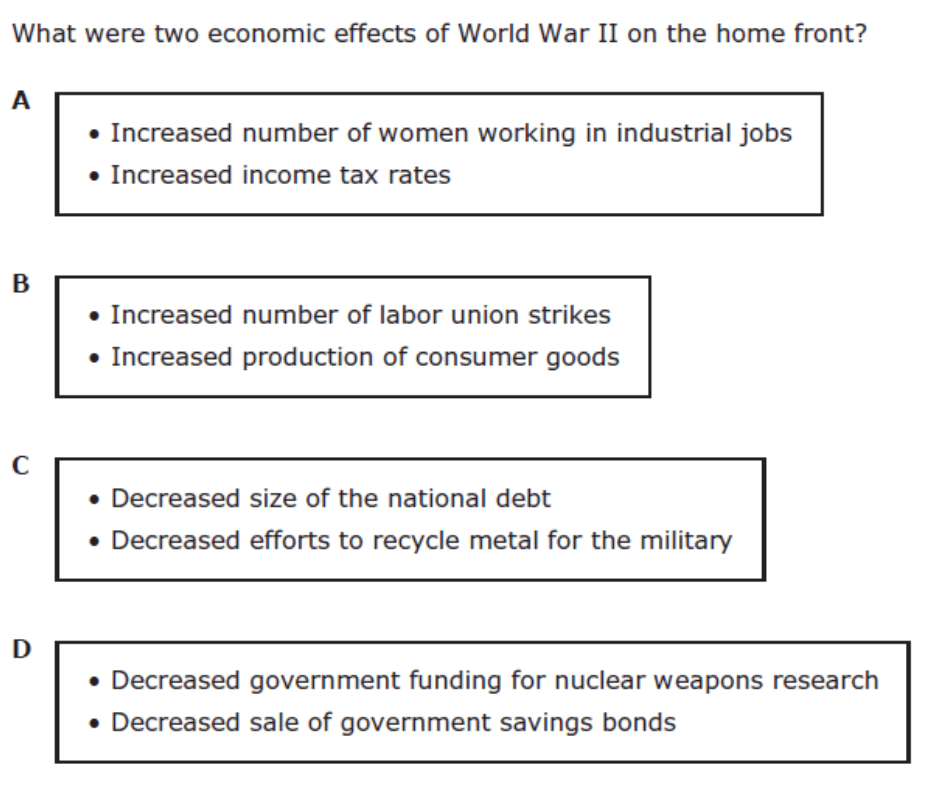
Increased number of women working in industrial jobs
Increased income tax rates
200
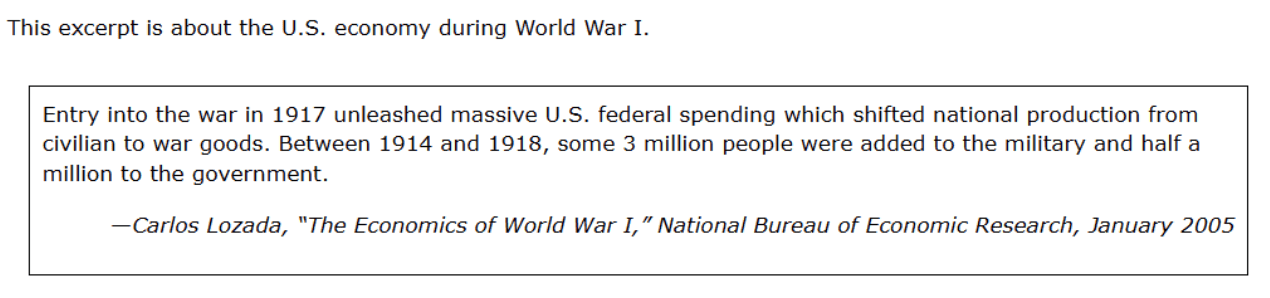
How was the U.S. Economy affected during World War I?
A. Purchases of government bonds decreased.
B. Taxes on domestic profits decreased.
C. Domestic unemployment rates decreased.
D. Trade with foreign government decreased.
C. Domestic unemployment rates decreased.
200
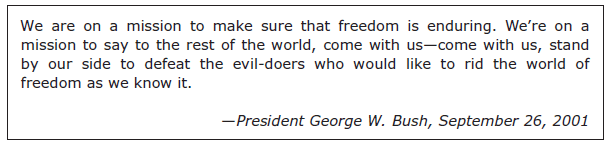 During the Progressive Era, one goal of state-level political reformers was to -
A. prevent party leaders from amending campaign platforms
B. promote the principle of direct democracy
C. increase the influence of business owners on regulator legislation
D. limit the use of judicial review by circuit courts
B. promote the principle of direct democracy
300
Which of the following was a defining characteristic of the United States during the 1930s?
A. A sharp increase in the power given to state governments
B. The adoption of an interventionist foreign policy
C. An extended period of economic depression
D. The formation of a national Civil Rights movement
C. An extended period of economic depression
300
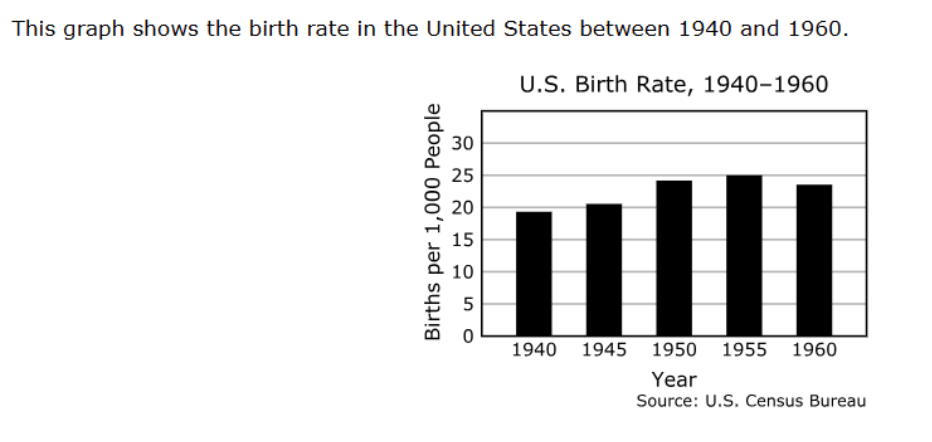
Based on the graph and your knowledge of U.S. History, how did changes in the birth rate affect the U.S. Economy in the 1950s?
A. Prosperity increased as a result of the expanded housing values in rural and urban areas.
B. Prosperity decreased because of the number of the children who were unable to access public education.
C. Prosperity increased as a result of a higher demand for consumer products for the emerging middle class.
D. Prosperity decreased because of the number of people relying on social welfare programs in rural and urban areas.
C. Prosperity increased as a result of a higher demand for consumer products for the emerging middle class.
300

What was the most likely purpose of this National War Labor Board order?
A. To prevent unions from discriminating against unskilled workers during the war
B. To Weaken the "Rosie the Riveter" image for women working on the home front
C. To double the output of equipment needed to support U.S. troops oversees
D. To ensure fair treatment for women in the workplace during the war.
D. To ensure fair treatment for women in the workplace during the war.
300
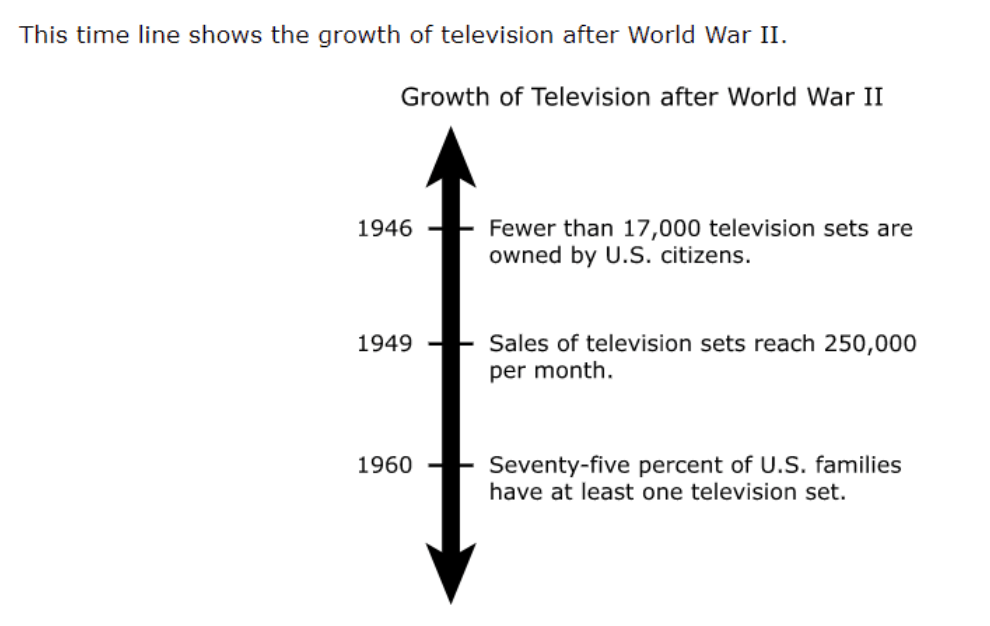
Which factor MOST LIKELY contributed to this growth?
A. Widespread support for Civil Rights Legislation
B. Increased public trust of political parties
C. Expansion of prosperity because of consumerism
D. Greater access to a college education
C. Expansion of prosperity because of consumerism
300
Many Progressives opposed social Darwinism because it promoted the idea that -
A. people in lower classes were not capable of economic success
B. the government should take responsibility for the well-being of people
C. immigration weakened national unity
D. poverty could be eradicated though increased economic regulation
A. people in lower classes were not capable of economic success
400
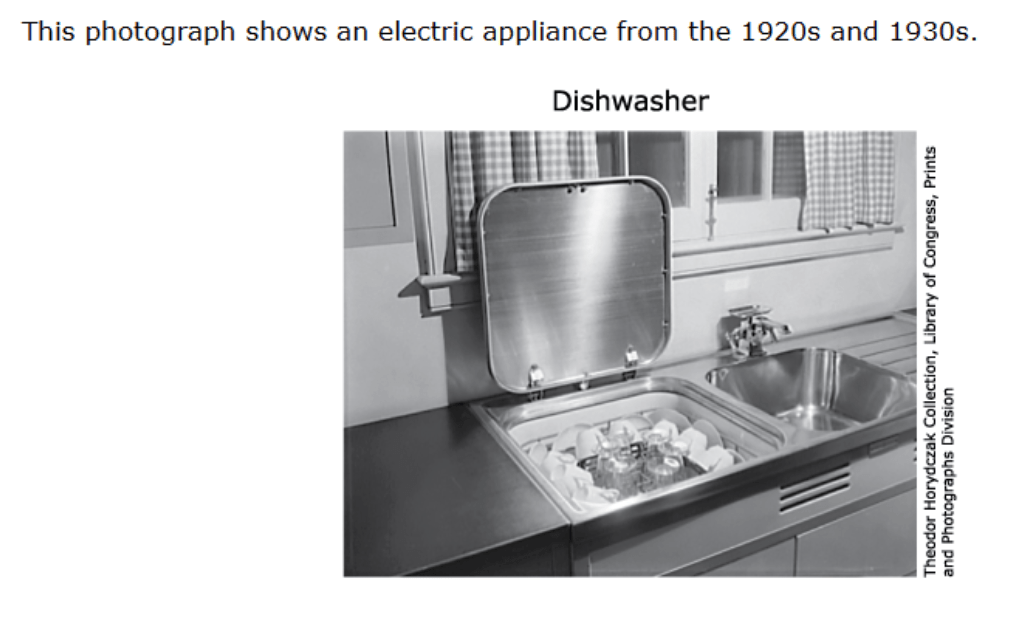
Which statement describes a result of this innovation?
A. It forced consumers to buy larger houses in order to make room for these appliances.
B. It decreased the need for consumers to clean their tableware after meals in restaurants.
C. It decreased the amount of time consumers spent completing household chores.
D. It forced consumers back to school in order to learn how to operate these appliances.
C. It decreased the amount of time consumers spent completing household chores.
400
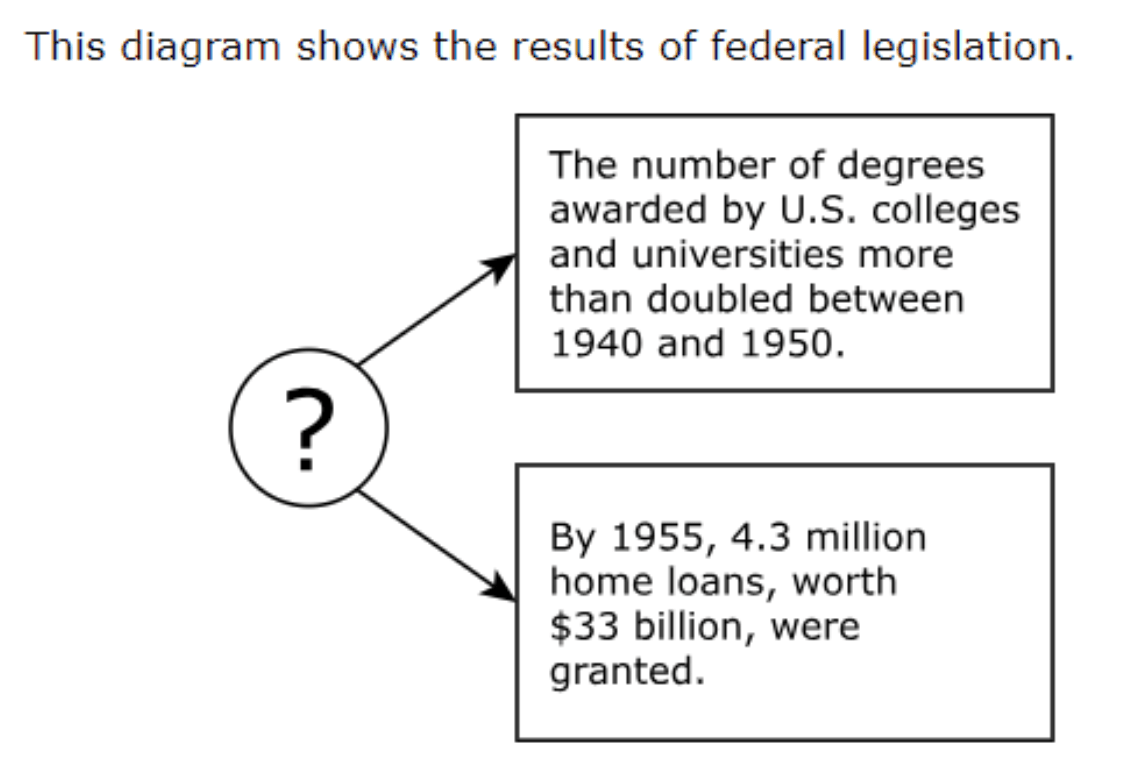
Which statement correctly replaces the question mark on this cause and effect diagram?
A. Congress passed laws establishing health care programs to provide services to people with disabilities.
B. Congress passed laws offering financial aid to veterans.
C. Congress passed laws establishing social security to reduce poverty among the elderly.
D. Congress passed laws reducing the power of labor union leaders.
B. Congress passed laws offering financial aid to veterans.
400

Which sentence completes this cause-and-effect diagram?
A. The government reduces its use of propaganda
B. The level of industrial production increases.
C. The government reduces its use of rationing programs.
D. The unemployment rates increases.
B. The level of industrial production increases.
400
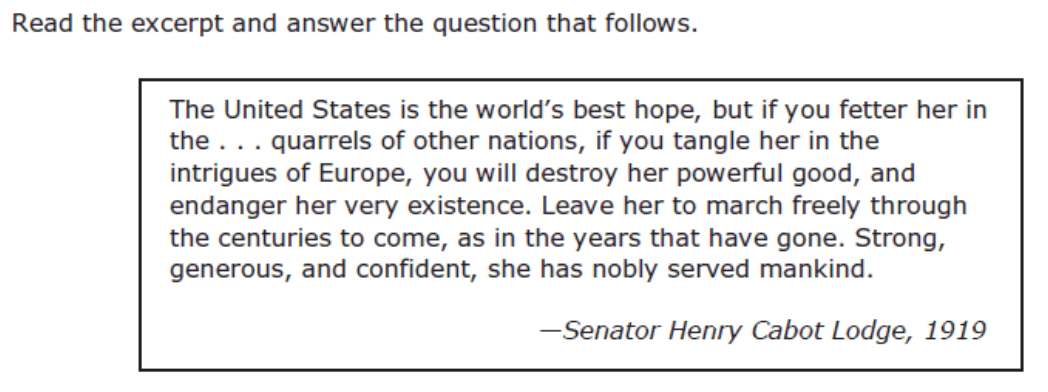
Why did Senator Lodge express this opinion about the Treaty of Versailles?
A. He wanted to prevent the spread of the global flu epidemic.
B. He wanted to protect secret U.S. Nuclear Technology.
C. He wanted the United States to join an international league.
D. He wanted to protect U.S. sovereignty in international relations.
D. He wanted to protect U.S. sovereignty in international relations.
400
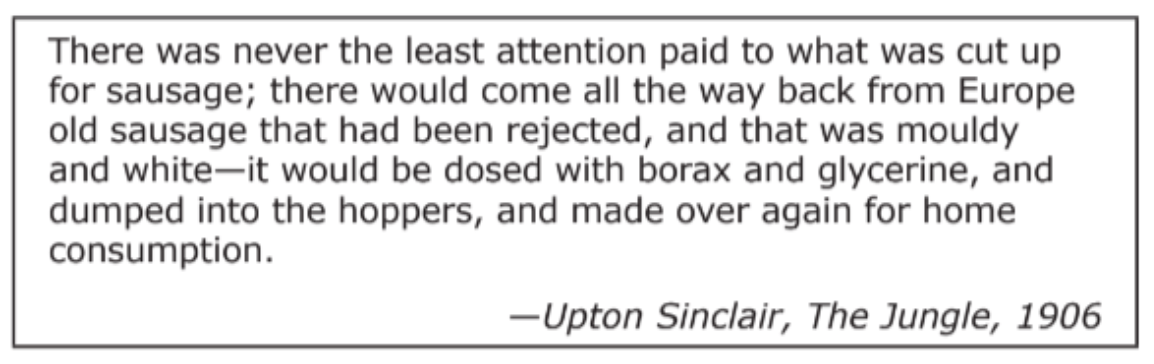
What was the immediate response to the practices mentioned in this excerpt?
A. Monopolies formed to control competition in the meat processing industry.
B. Meat packers developed refrigerated railroad cars to ship meat nationwide.
C. Congress passed legislation to protect consumer health and safety.
D. Farmers demanded government regulation of livestock sales and distribution.
C. Congress passed legislation to protect consumer health and safety.
500
In the early twentieth century, the federal government began to regulate private businesses in order to protect consumers. Which federal government action is an example of this policy?
A. Allowing corporations to form trusts
B. Setting high tariff rates on foreign goods
C. Purchasing gold and silver to back currency
D. Requiring accurate labels on food and drugs
D. Requiring accurate labels on food and drugs
500
Which statement describes the time period of the 1950s in the United States?
A. Increase in military enlistment and women working outside the home
B. Growth of economic prosperity and support for anti-communist policies
C. Rise of environmental conservation and improvements in working conditions
D. Expansion of work programs and creation of retirement benefits
B. Growth of economic prosperity and support for anti-communist policies
500
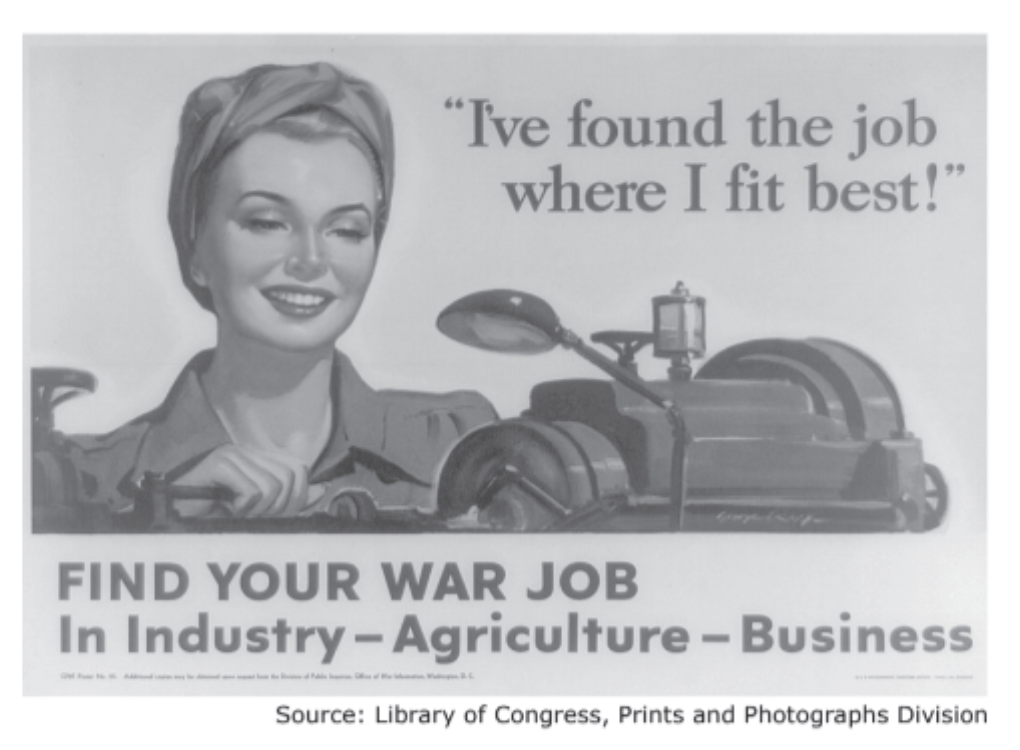
What was one effect of this type of advertising during World War II?
A. Women's colleges closed as wartime employment opportunities grew.
B. The number of women in nontraditional roles increased.
C. Women's organization secured passage of the GI Bill for returning veterans.
D. Congress passed laws guaranteeing equal pay for equal work for women.
B. The number of women in nontraditional roles increased.
500
Why did the U.S. Senate refuse to ratify the Treaty of Versailles after World War I?
A. The Senate would not support America's participation the League of Nations.
B. The Senate believed the treaty did not punish Germany enough.
C. The Senate thought the treaty did not have the power to prevent secret alliances.
D. The Senate could not agree on military disarmament levels.
A. The Senate would not support America's participation the League of Nations.
500
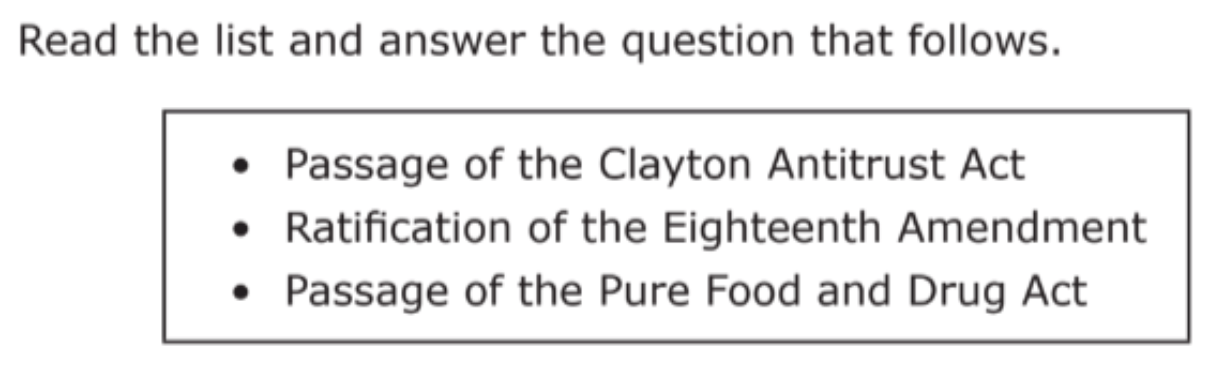
In which historical time period were these laws enacted?
A. The Great Society
B. The Progressive Era
C. The Great Depression
D. The Jazz Age
B. The Progressive Era