MODES
SETTINGS
FEEDBACK
ALARMS
NURSING
100
In this mode, the ventilator delivers air until a preset tidal volume is reached, meaning the volume is constant, but the pressure is variable
What is Volume-Cycled Ventilation (or Volume Control)? 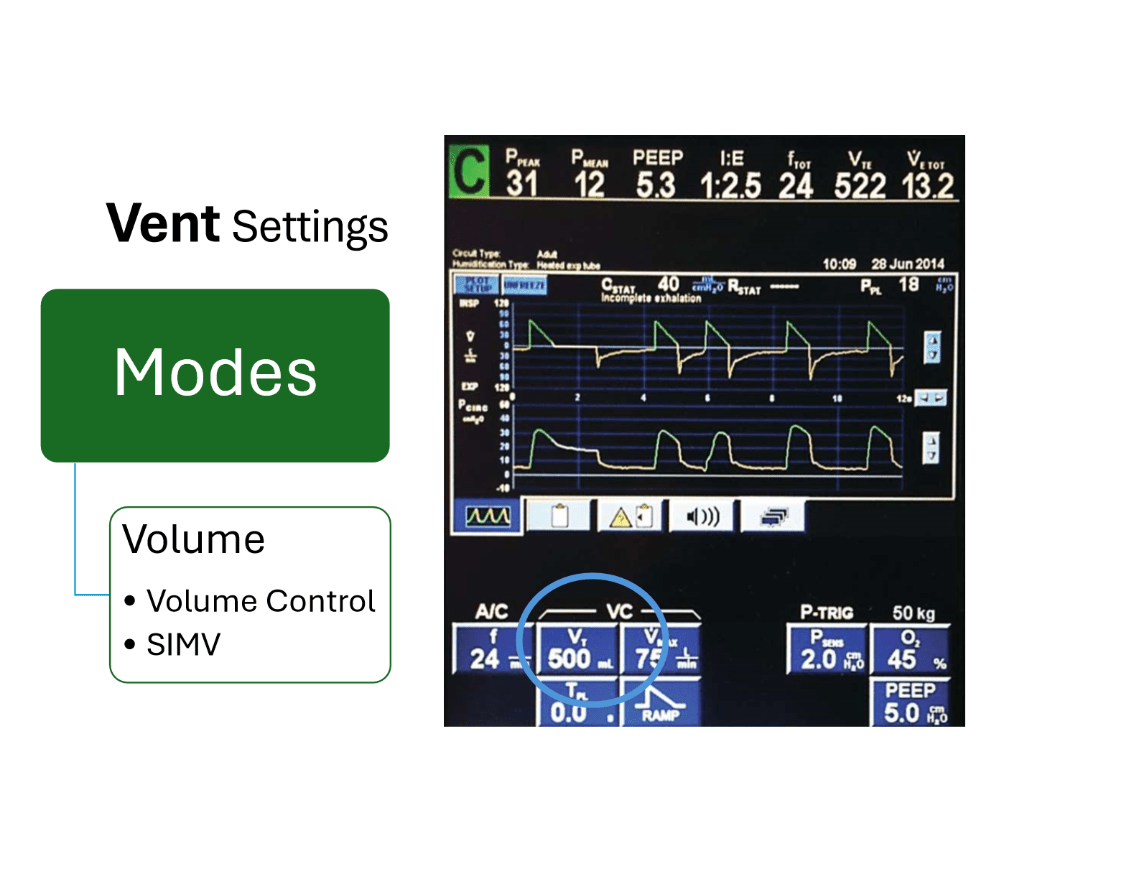
100
This setting dictates the number of breaths per minute the ventilator will deliver, normally set between 12 and 20
What is the Rate (or Respiratory Rate/f)?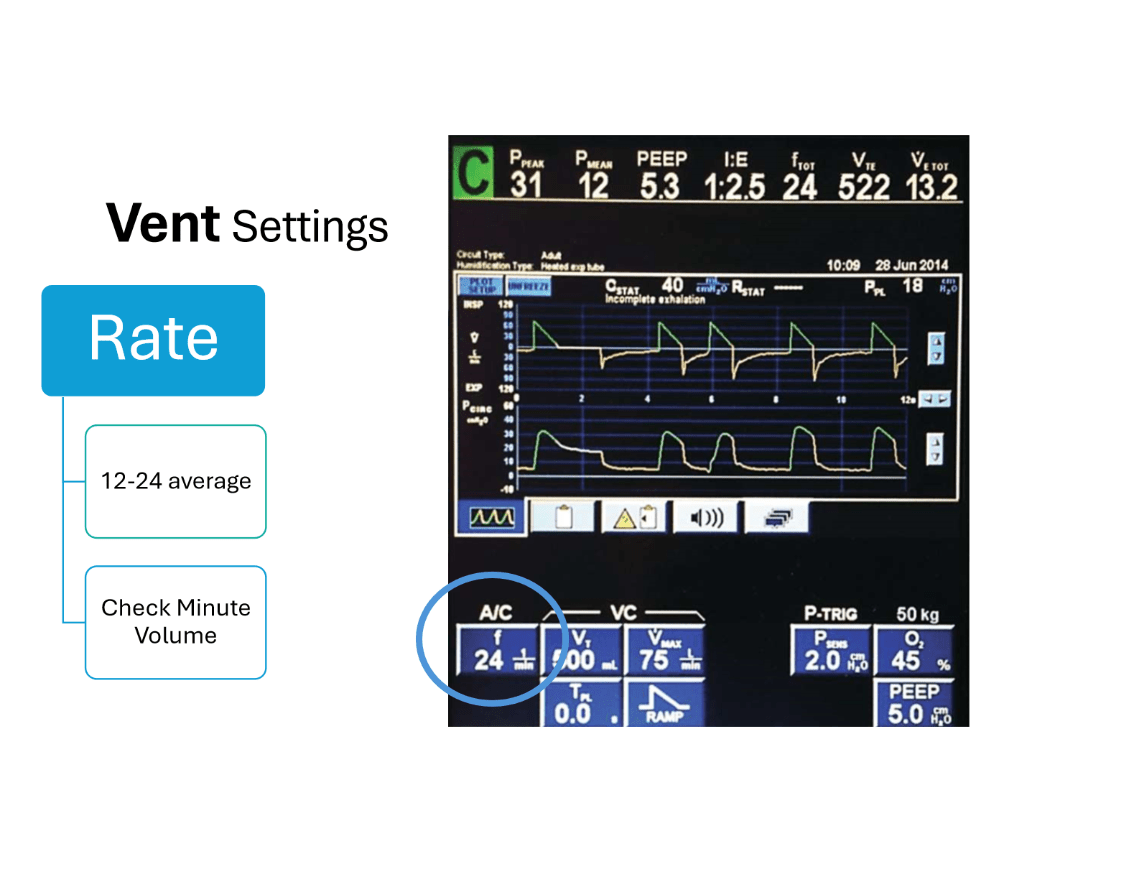
100
On the ventilator screen, the letter "C" indicates a breath controlled completely by the machine, while this letter indicates a breath initiated by the patient
What is "A" (Assisted)?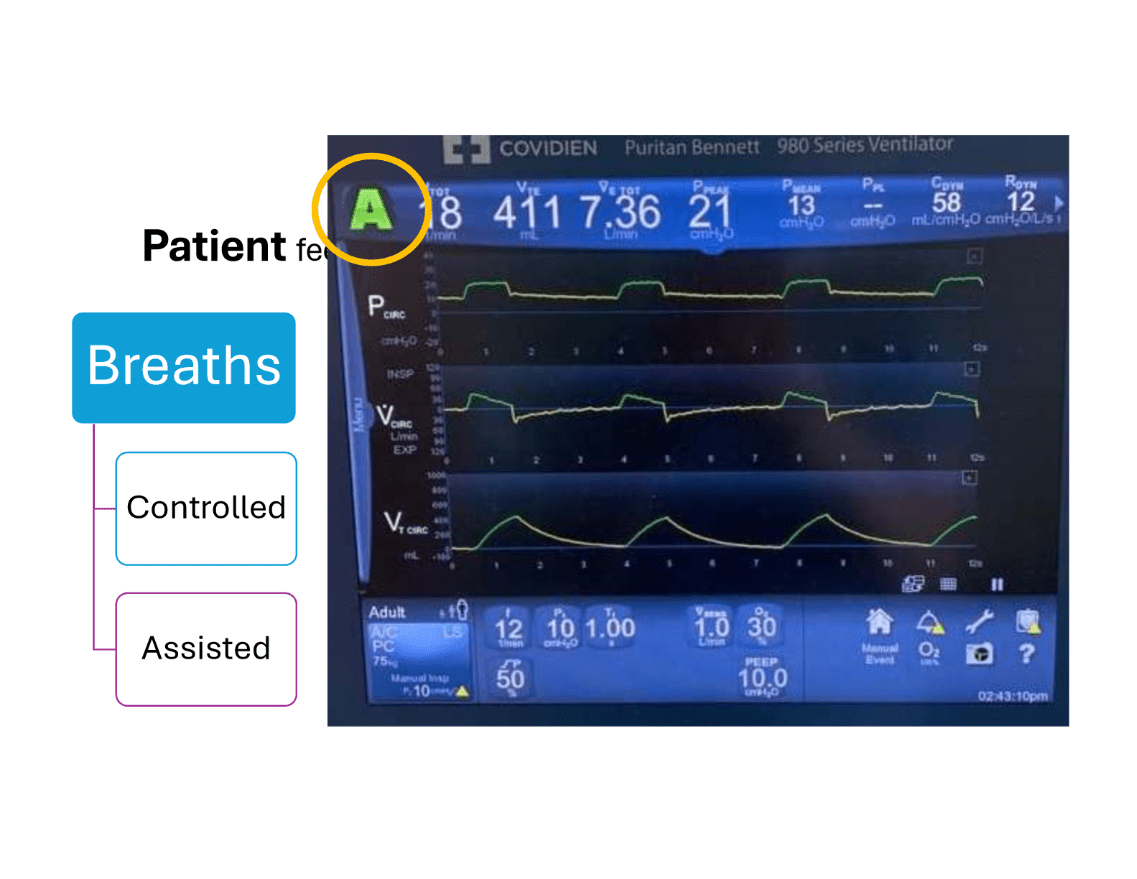
100
A patient biting the endotracheal tube, coughing, or a kink in the tubing will trigger this specific category of ventilator alarm
What is a High-Pressure alarm?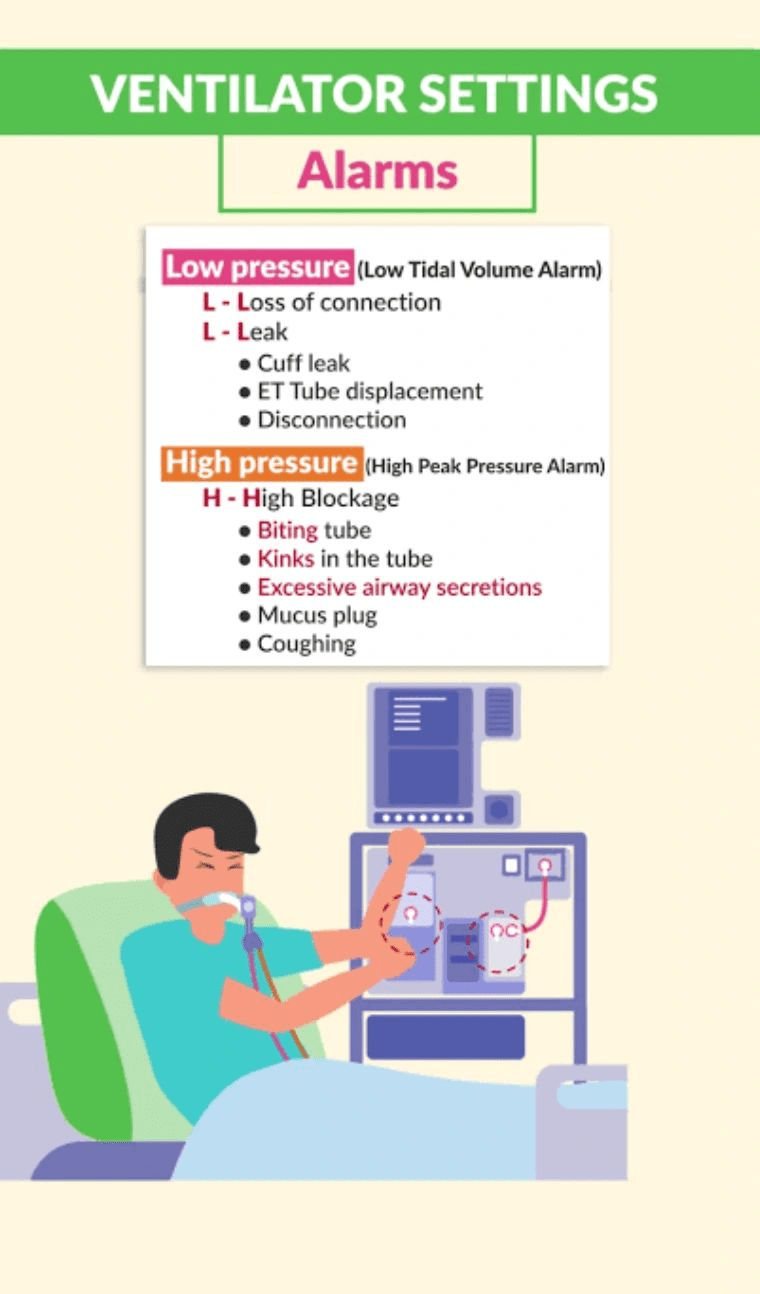
100
To intervene for a mucus plug, you must do this to the patient with 100% oxygen before inserting the catheter to clear the airway
What is hyperoxygenate?
(DATE before you SUCK)
Oxygenate before suction
Sedate before paralytic (Succinylcholine)
200
In this mode, the ventilator delivers air until a preset pressure limit is reached, causing the tidal volume to vary depending on lung compliance
What is Pressure-Cycled Ventilation (or Pressure Control)?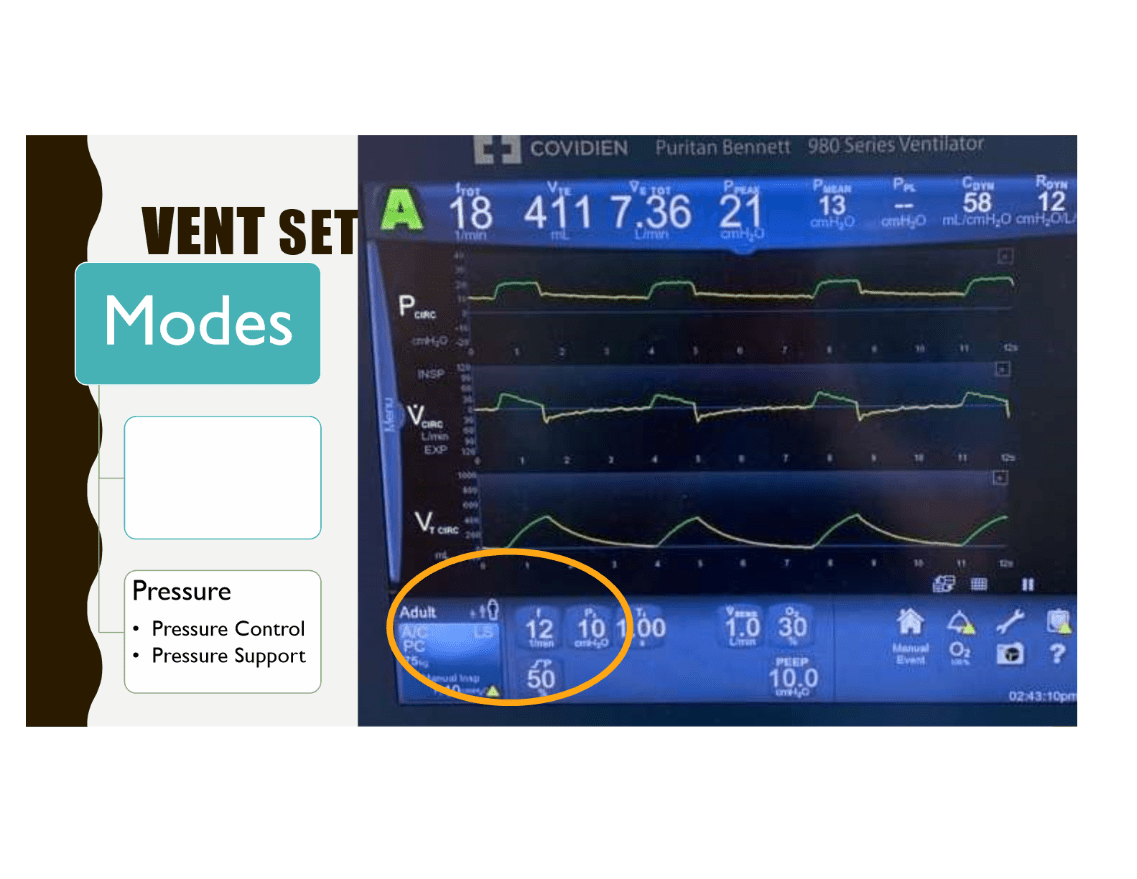
200
Current best practice dictates that this setting, which determines the amount of air delivered per breath, should be calculated at 5 to 10 mL/kg of ideal body weight
What is Tidal Volume?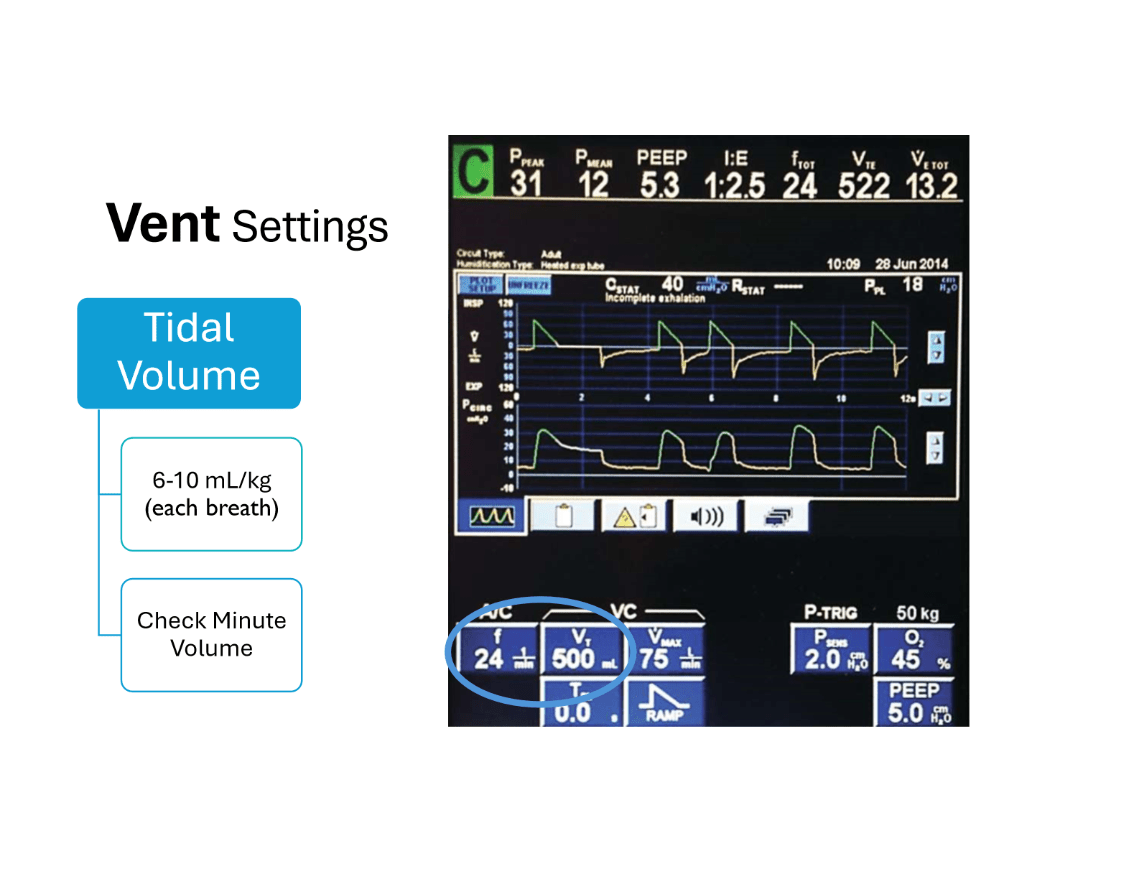
200
If the set respiratory rate is 18, but the total respiratory rate (fTOT) feedback on the screen shows 24, it tells the nurse that the patient is doing this
What is Exhalation (or Exhaled Tidal Volume/Vte)?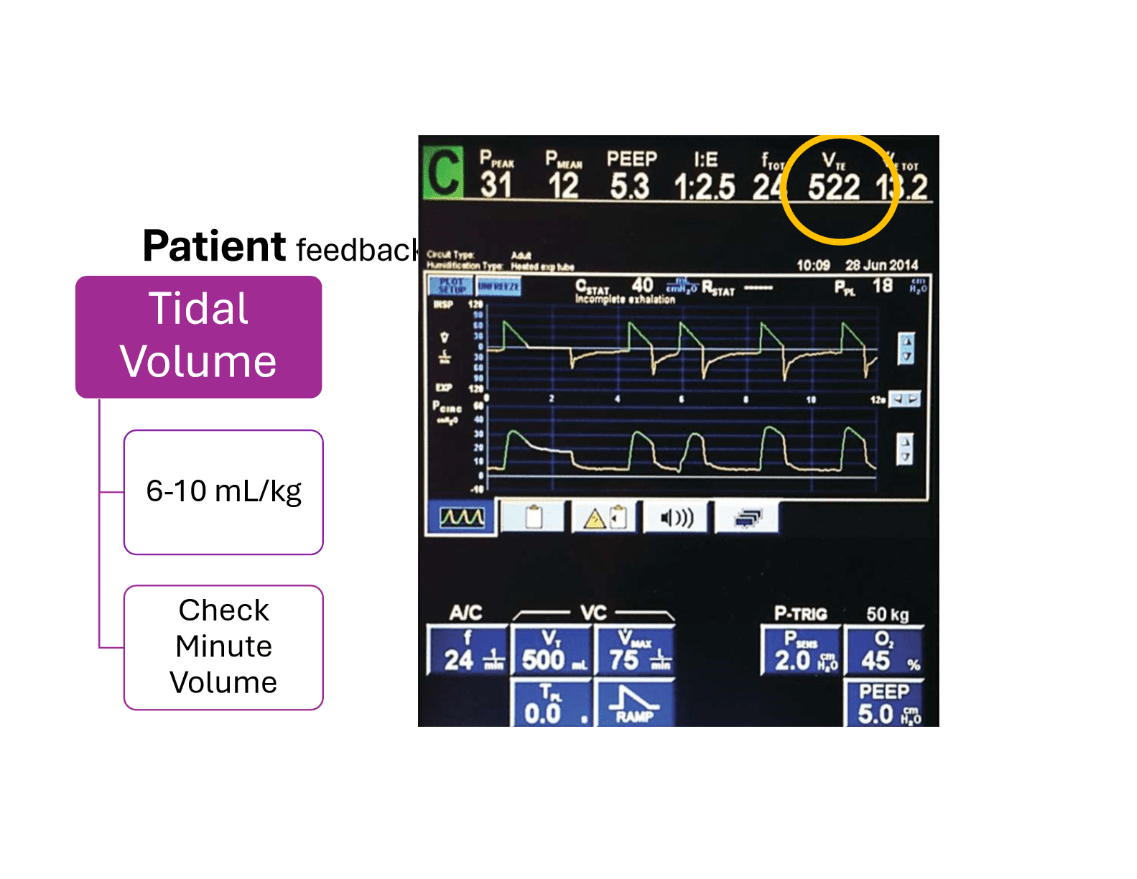
200
A loss of connection, an accidental extubation, or a cuff leak will trigger this specific category of ventilator alarm
What is a Low-Pressure (or Low-Volume) alarm?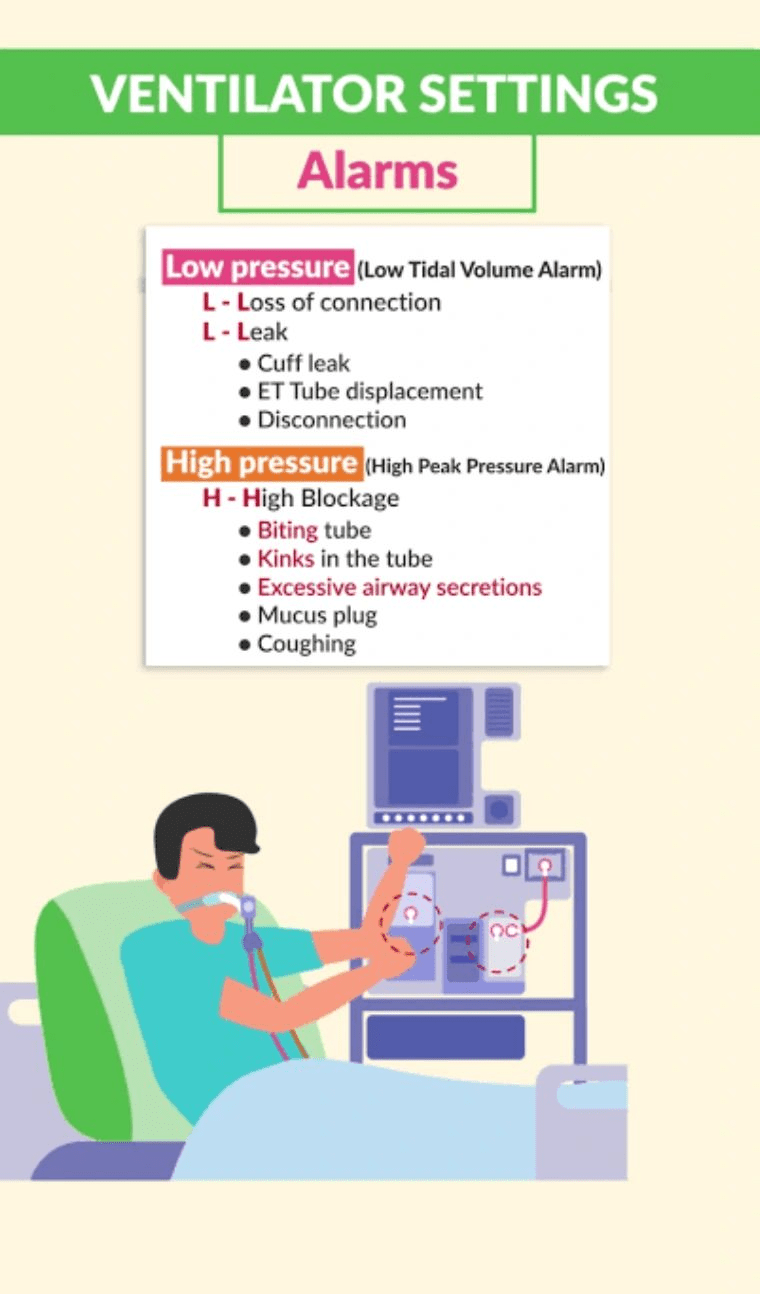
200
To prevent Ventilator-Associated Pneumonia (VAP), the ventilator bundle mandates oral care every 4 hours minimum using this specific antiseptic solution
What is chlorhexidine?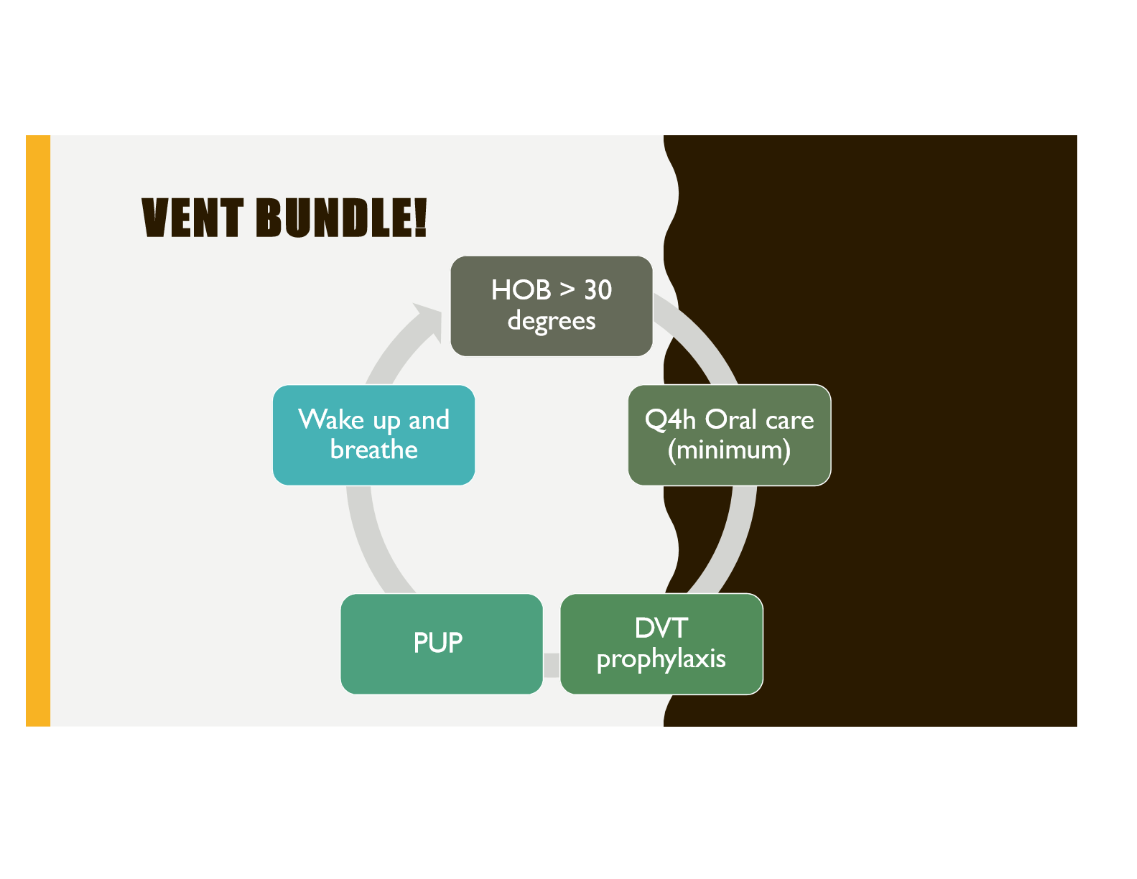
300
Often used for weaning, this mode allows the patient to mainly control their breathing, with the machine assisting just enough to overcome the resistance of the tube
What is Pressure-Support Ventilation (or SIMV)?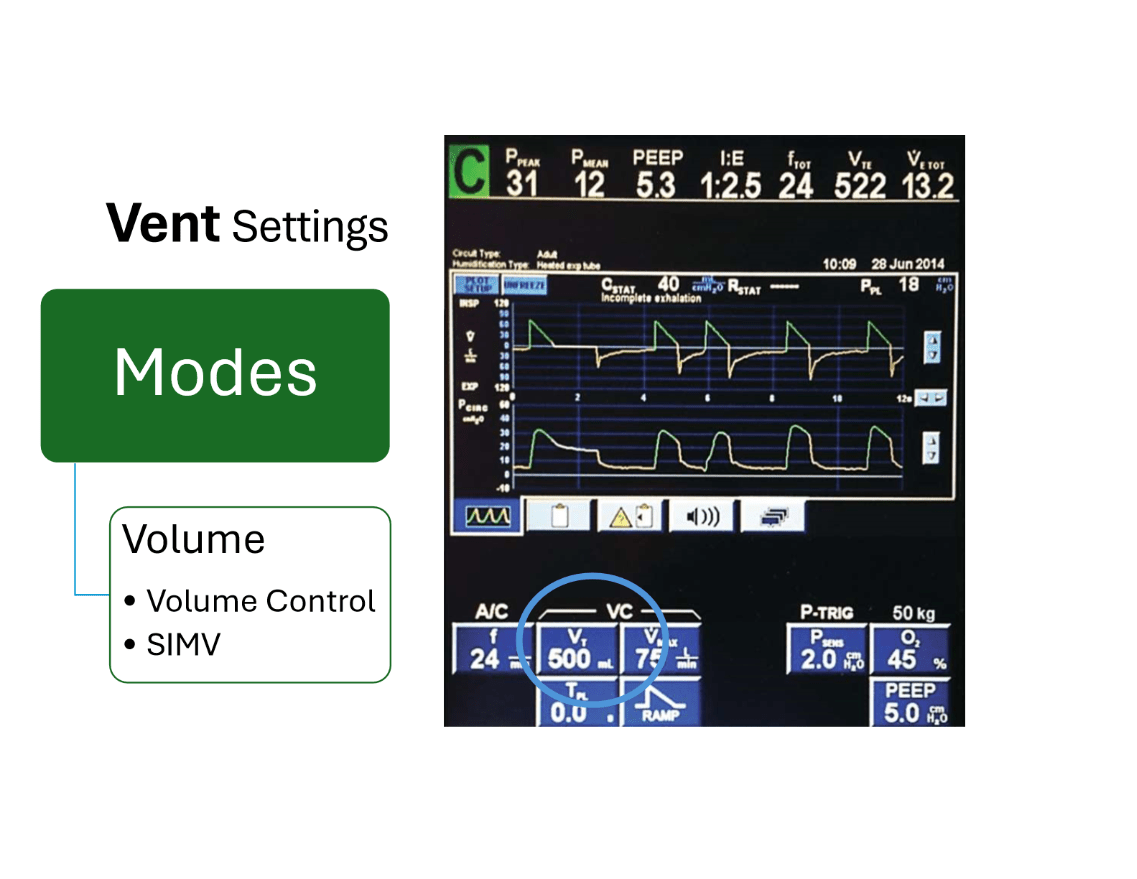
300
This setting provides positive pressure at the end of exhalation to keep the alveoli open and improve gas exchange
What is PEEP (Positive End-Expiratory Pressure)?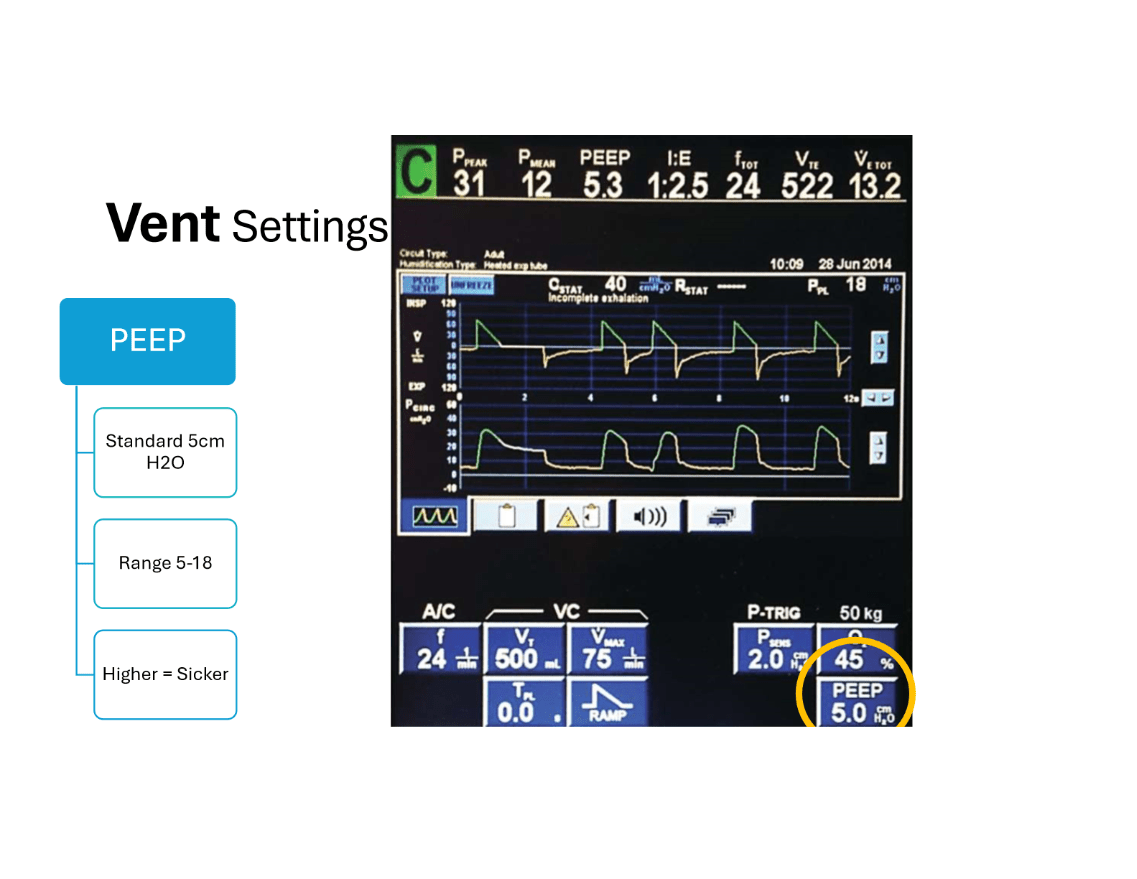
300
If the set respiratory rate is 18, but the total respiratory rate (fTOT) feedback on the screen shows 24, it tells the nurse that the patient is doing this
What is breathing over the vent (or initiating 6 breaths on their own)?
300
Crackles, rhonchi, or this specific type of physical obstruction in the airway will cause the vent to push harder and trigger a high-pressure alarm
What is a mucus plug (or excessive secretions)?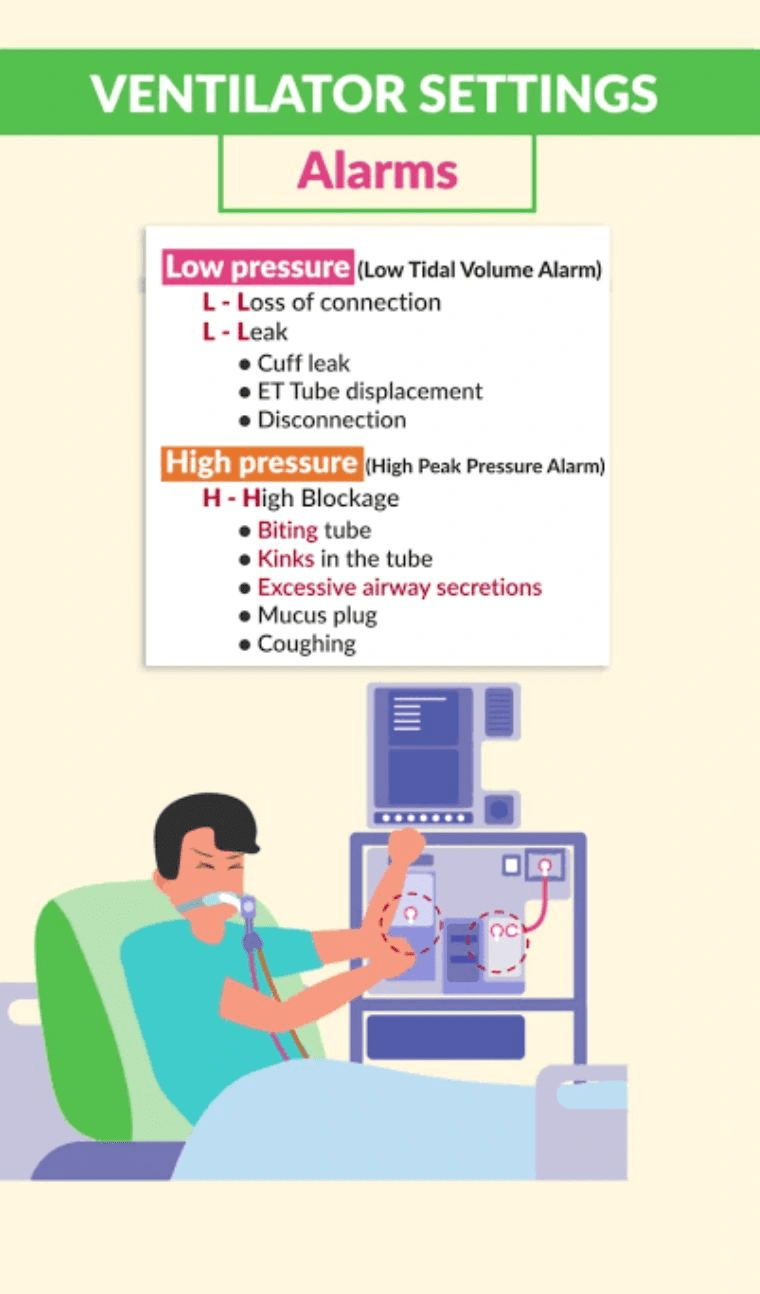
300
To assess if a patient is ready to be extubated, nurses and respiratory therapists perform this daily trial, putting the patient on pressure support to let them practice breathing
What is an SBT (Spontaneous Breathing Trial)?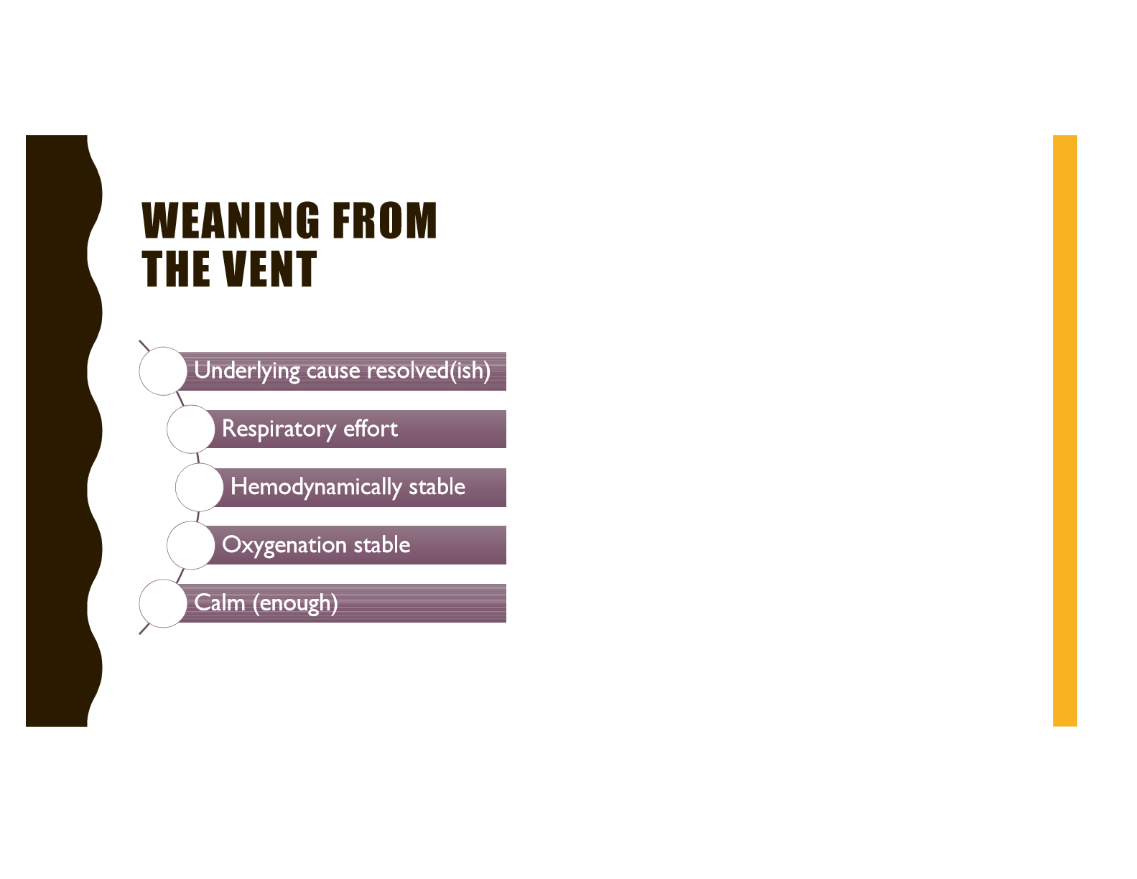
400
When a patient is on Pressure Control mode, the pressure is capped, but this specific measurement will fluctuate with every breath depending on how stiff the lungs are
What is Volume (or Tidal Volume)?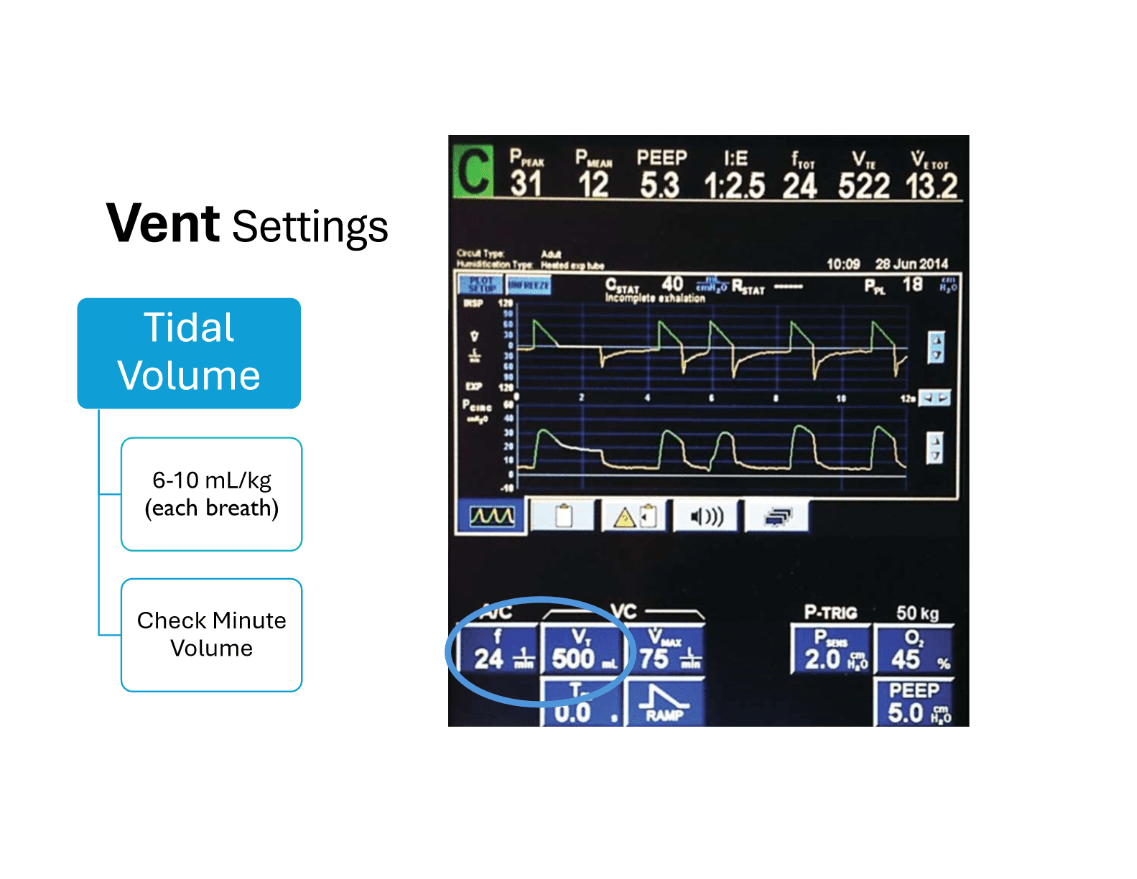
400
Ranging from 35% to 100%, this setting dictates the oxygen concentration delivered by the ventilator
What is FiO2 (Fraction of Inspired Oxygen)?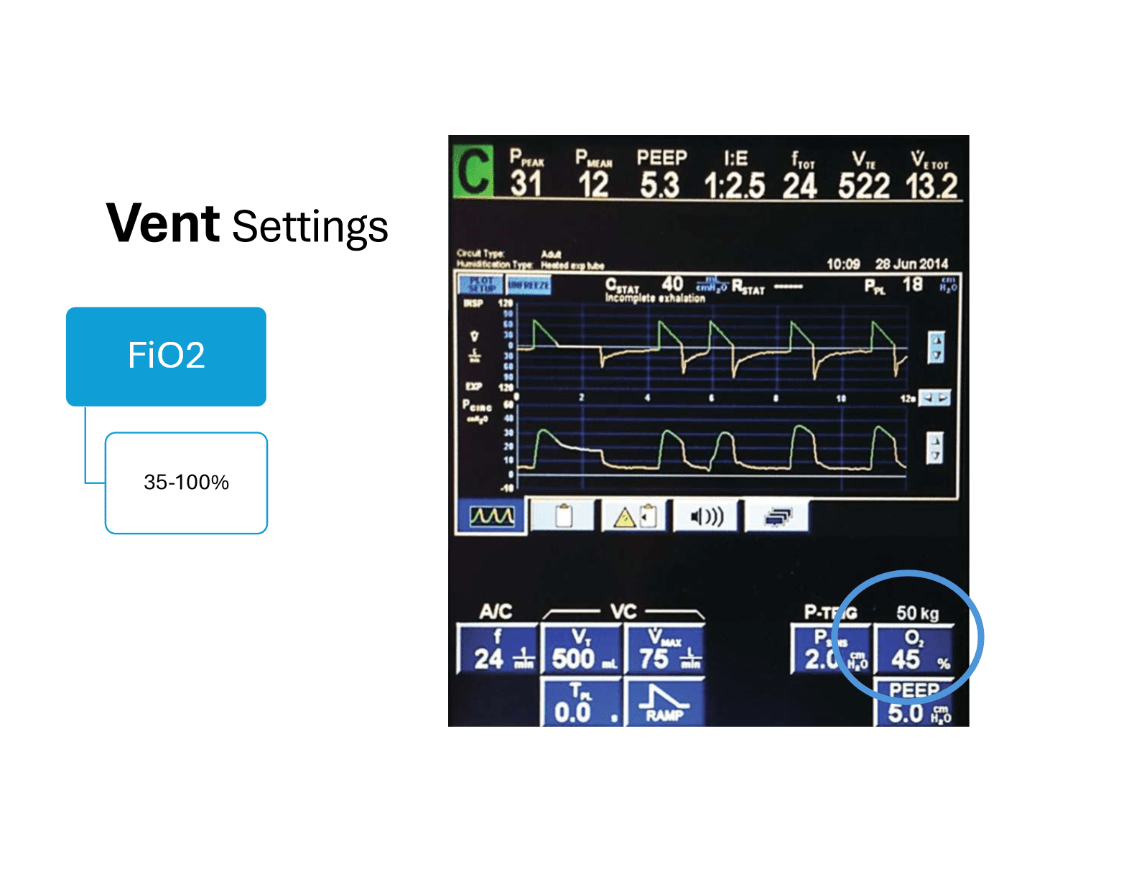
400
When providing feedback on the volume of air a patient is getting, the ventilator actually measures the air during this phase of the breathing cycle
What is Exhalation (or Exhaled Tidal Volume/Vte)?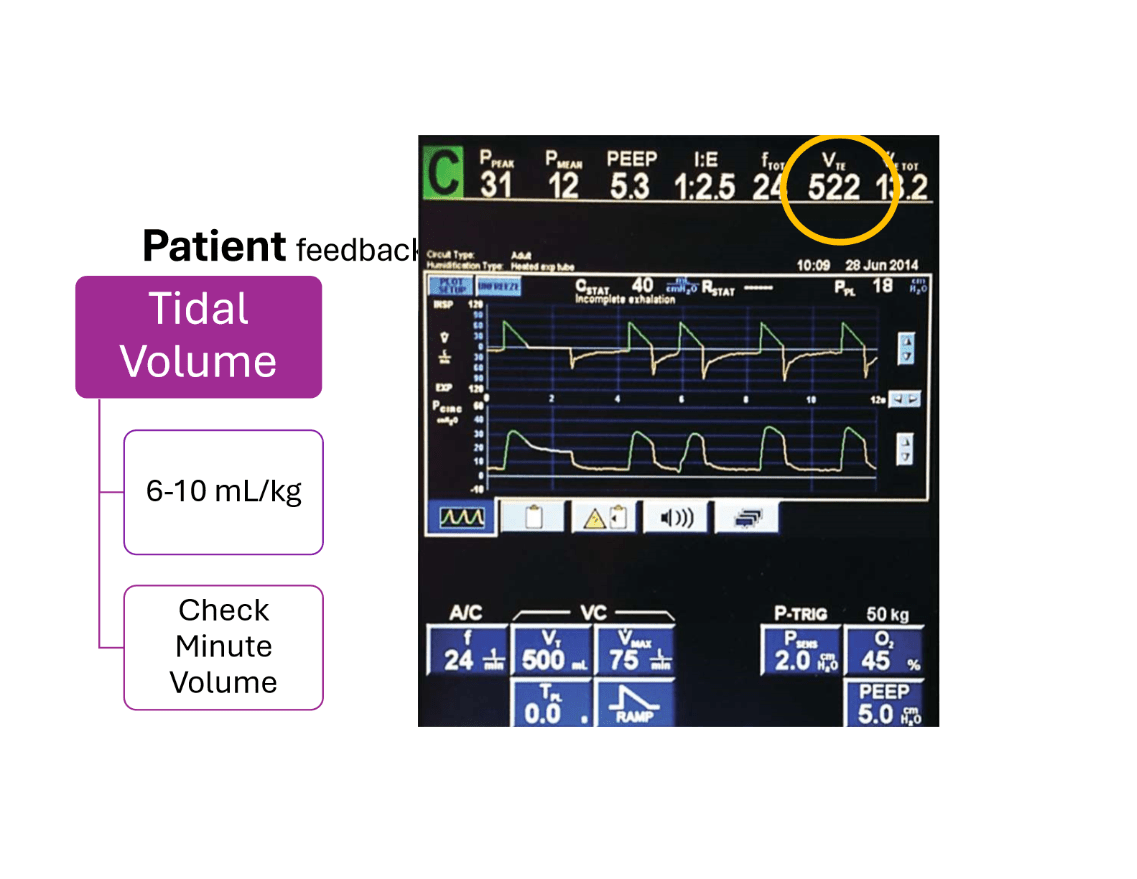
400
If you hear air coming out of your patient's mouth, it typically indicates a problem with this part of the endotracheal tube, which will trigger a low-volume/pressure alarm
What is the balloon (or cuff)?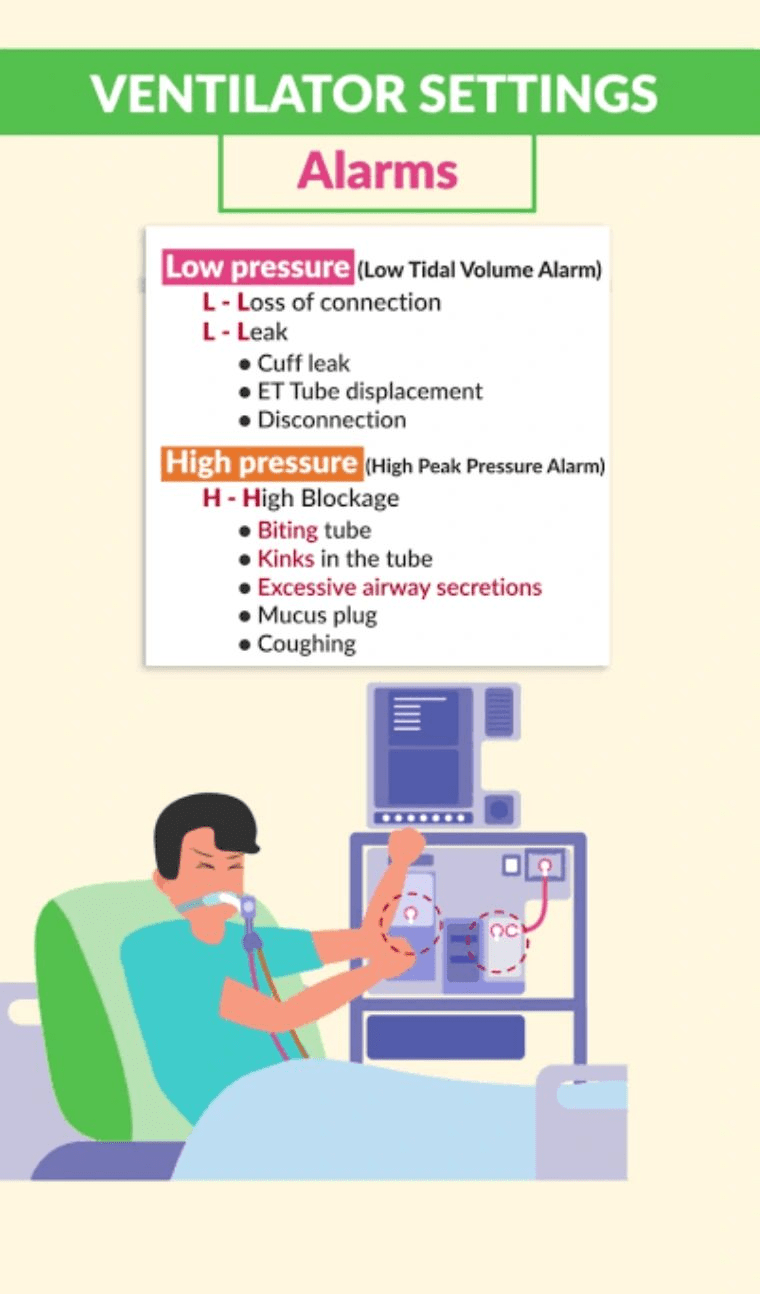
400
To prevent Post-Intensive Care Syndrome (PICS) and delirium, nurses perform this daily intervention by reducing medications to let the patient wake up
What is a sedation vacation (or Spontaneous Awakening Trial/SAT)?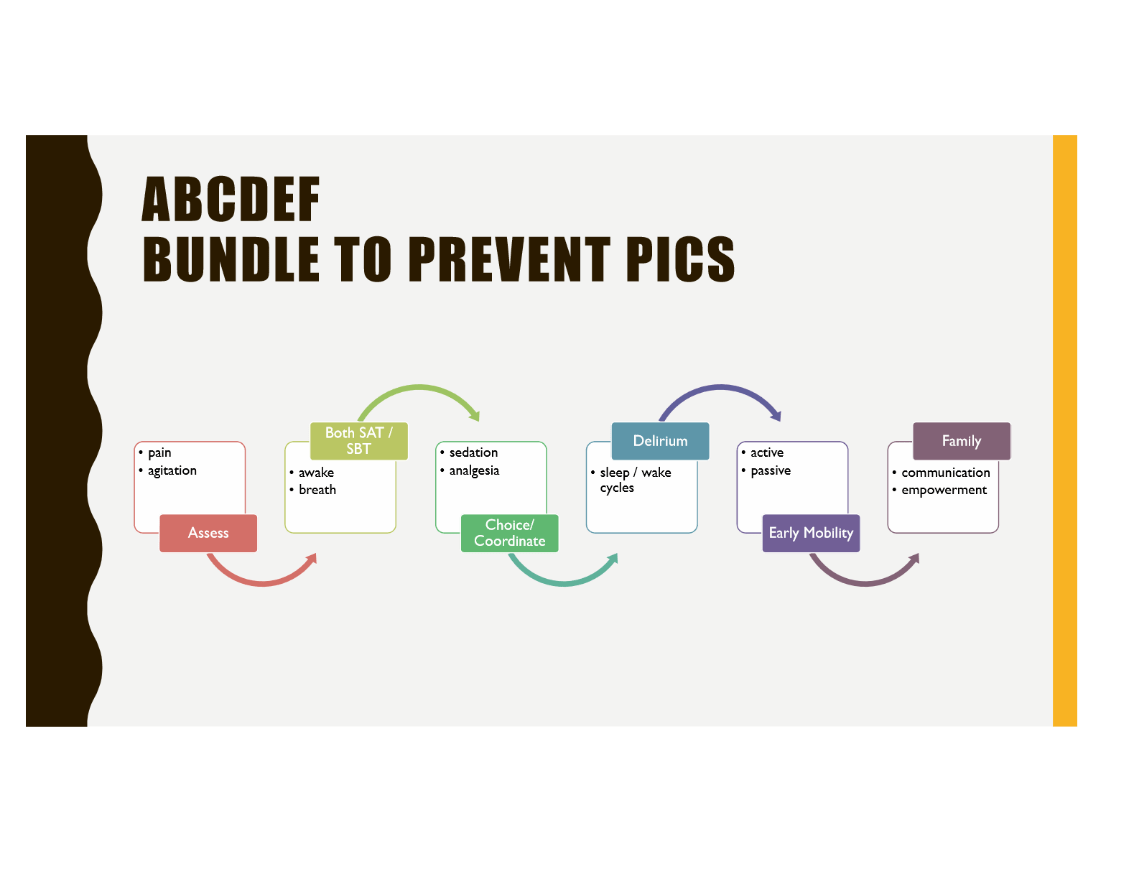
500
When a patient is on Volume Control mode, the volume is locked in, making this parameter the variable that fluctuates and requires close monitoring to prevent lung damage
What is Pressure (or Peak Inspiratory Pressure)?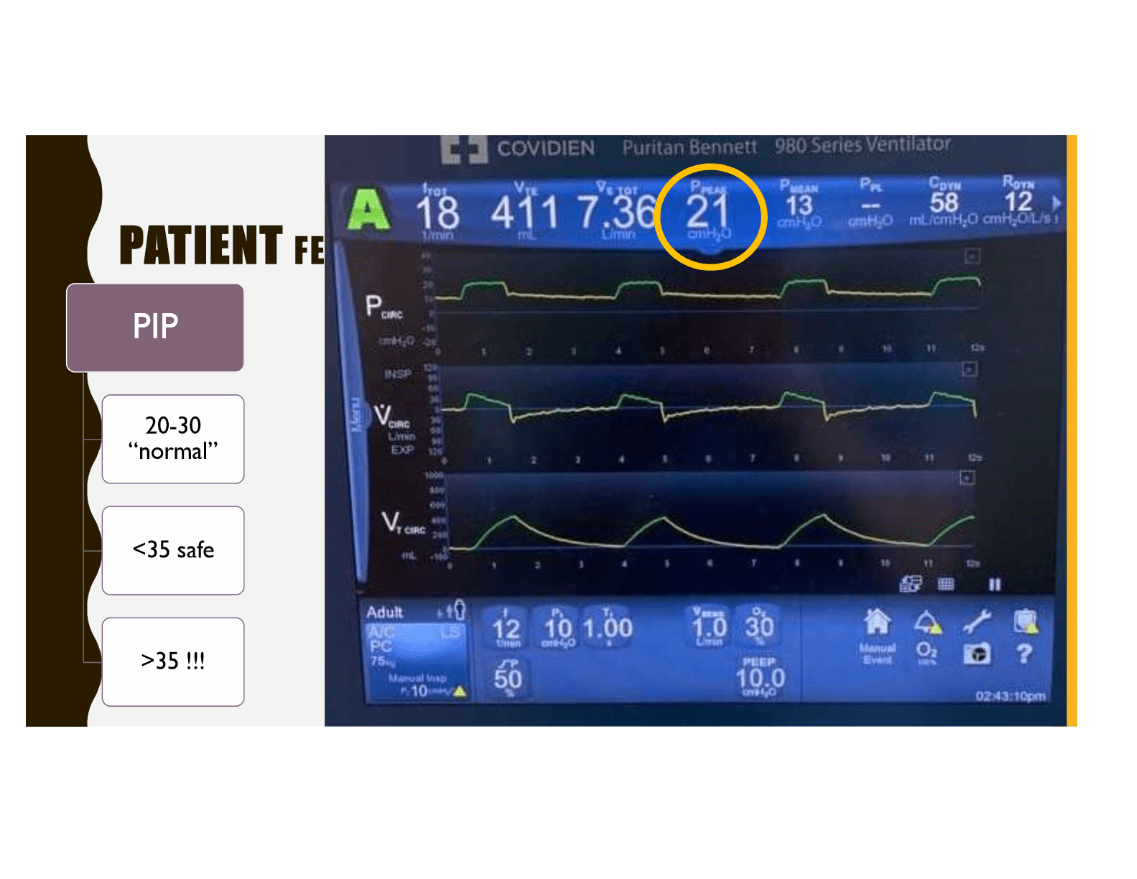
500
This value, which ideally sits in the 4 to 8 liters range for a normal patient, is calculated by multiplying the respiratory rate by the tidal volume
What is Minute Volume (or Minute Ventilation)?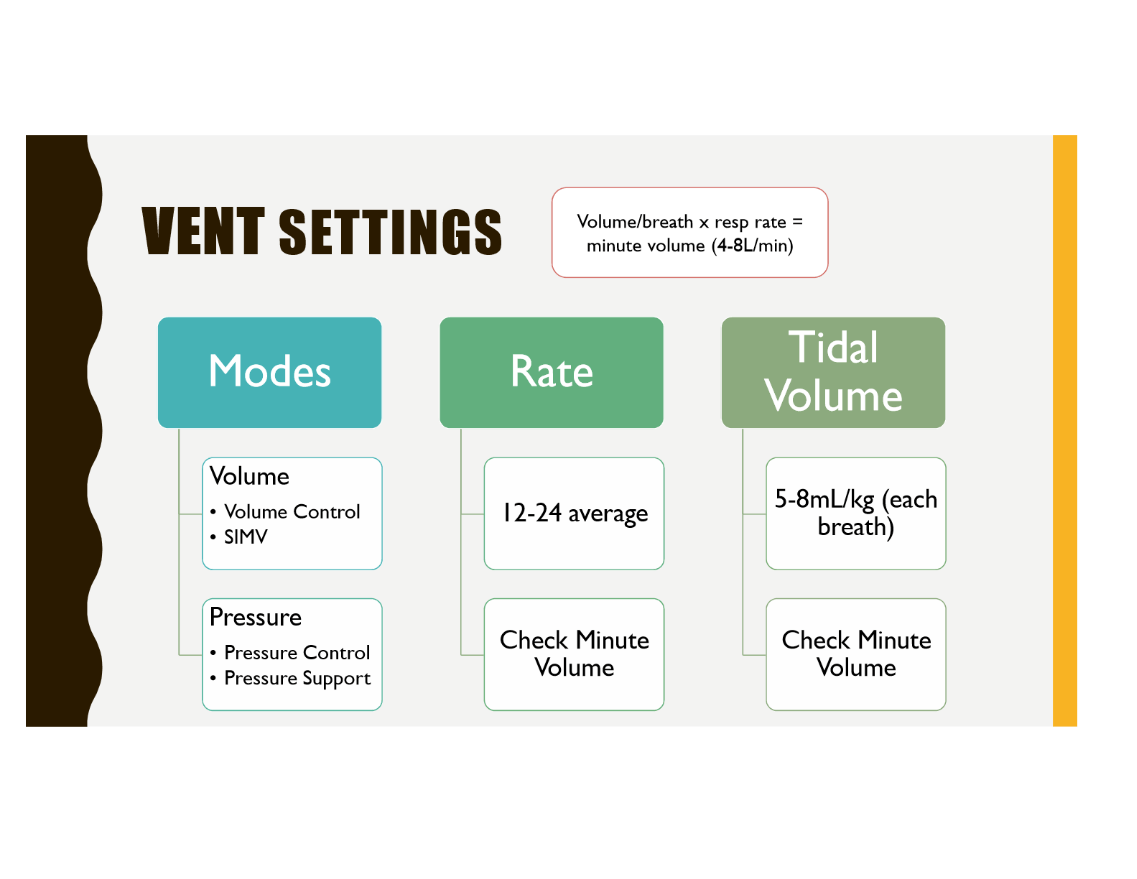
500
If a patient is on Pressure Control mode and their exhaled tidal volume feedback is steadily dropping, it indicates that the lungs are losing this stretchy quality and becoming stiffer
What is compliance?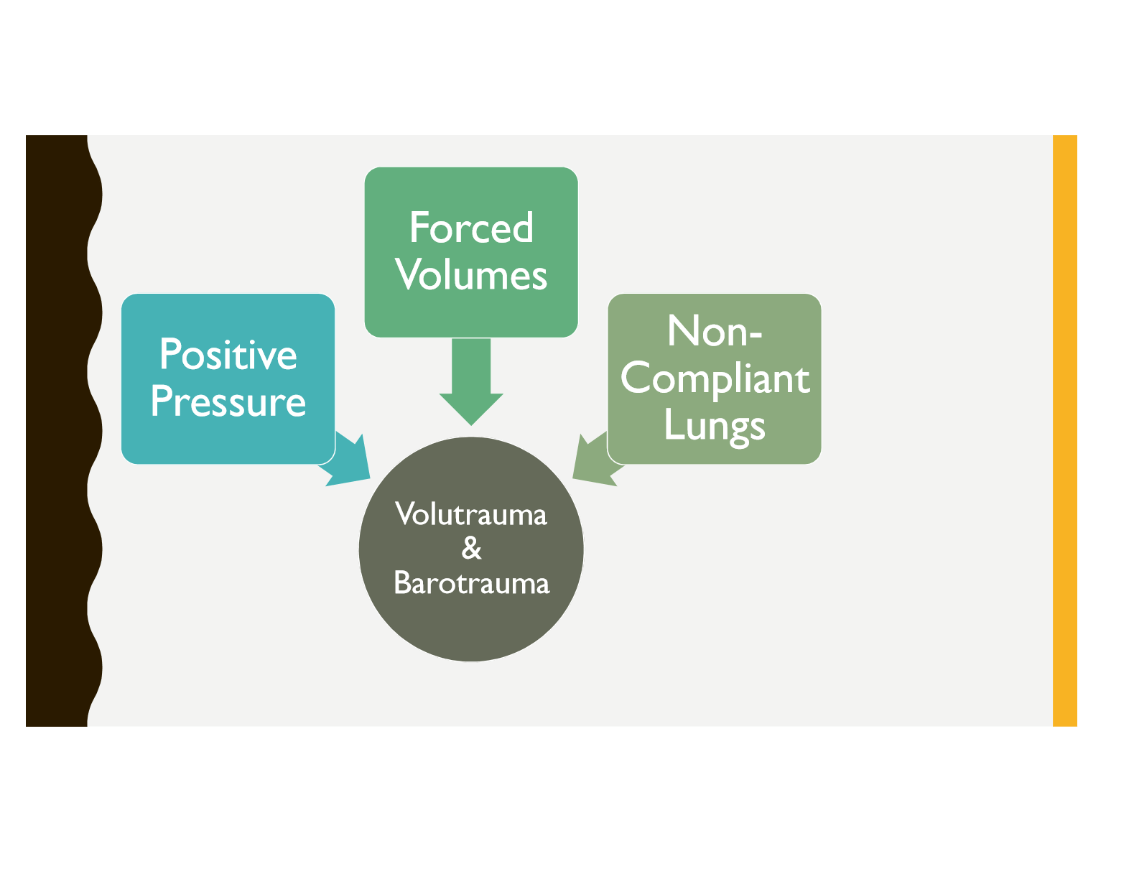
500
This severe, emergent complication—caused by barotrauma or alveolar rupture—increases lung resistance and will trigger a high-pressure alarm
What is a pneumothorax?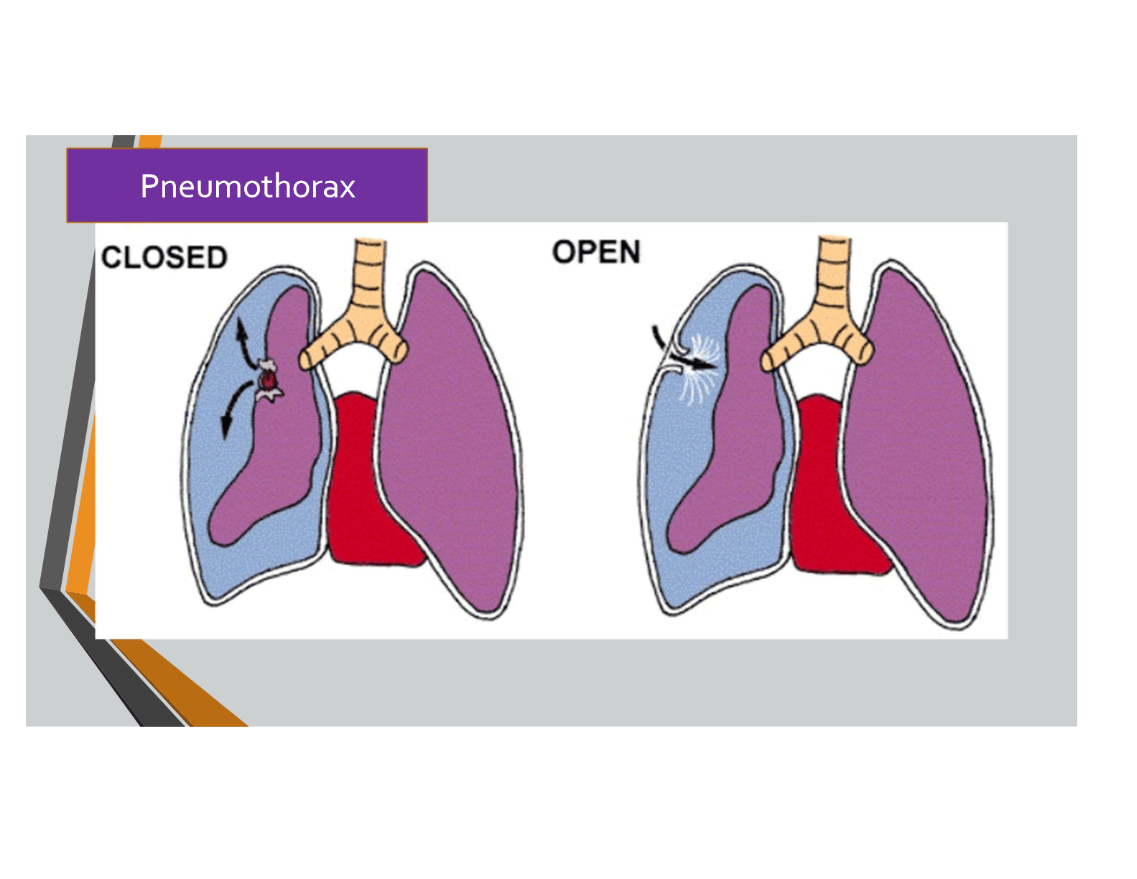
500
If a provider orders a paralytic to stop a patient from fighting the ventilator, the nurse must ensure that this specific type of medication is also running concurrently
What is sedation (or an amnesiac)?
DATE before you SUCK!
Sedate and paralyze.