Value
Lucky Dip
Resources
Lucky Dip
Connection
Lucky Dip
Scarcity
100
Define: Water's recreational value. Give an example.
Valuing water for its entertainment. E.g. surfing
100
What is this river?
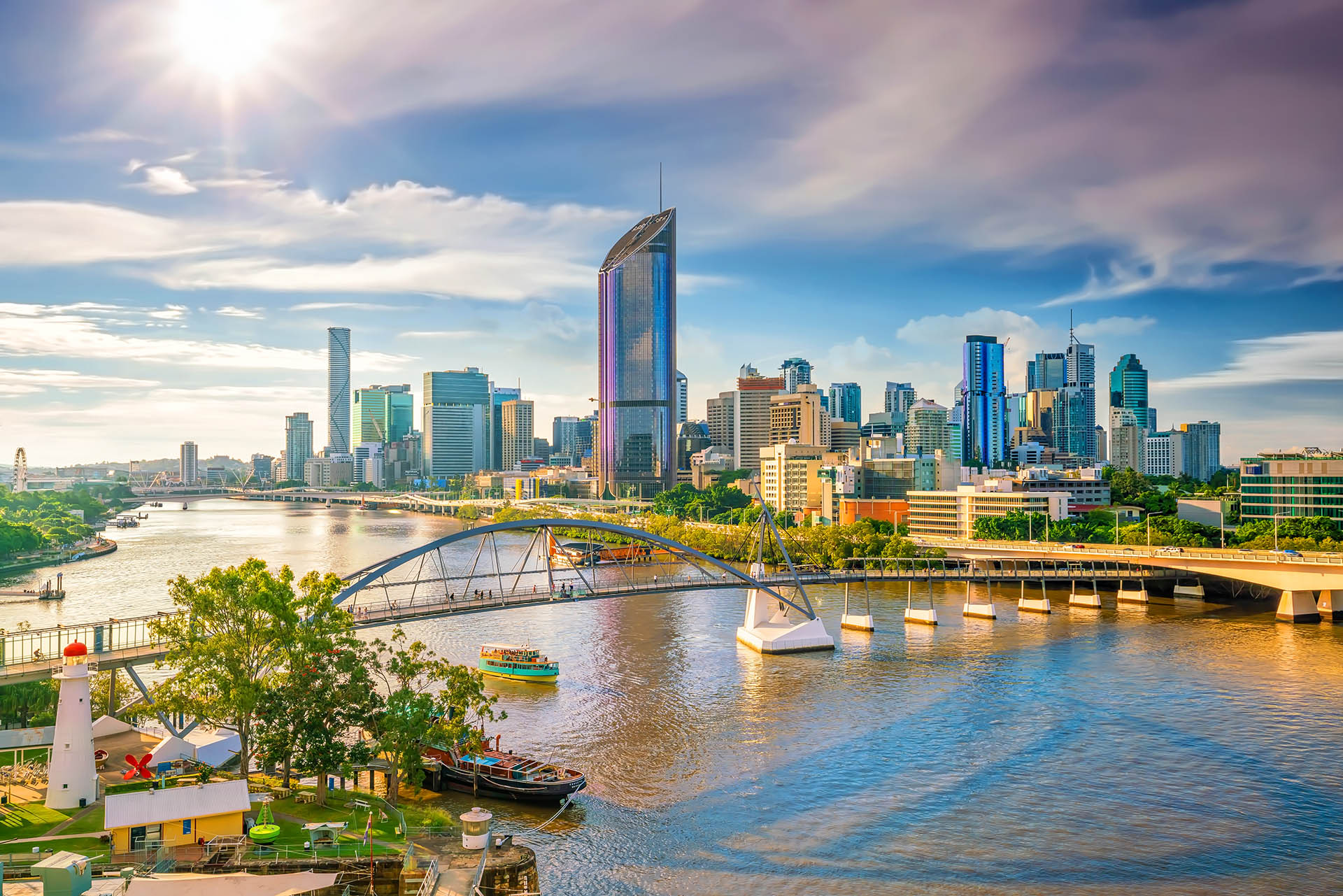
Brisbane River
100
List the three states of water and provide an example of each.
Solid - ice; liquid - ocean; gas - water vapour
100
Lucky Dip Challenge: A debate has been called between the person who chose this 'question tile' AND one volunteer from the room. All other teams become judges!
The two competitors should stand on either the left or right side of the classroom.
TOPIC: Water should be free for everyone.
Right side - agree, it should be free for all.
Left side - disagree, it should not be free for all.
100
Provide an example of how water connects people to places through transport.
E.g. people are connected to places when transporting via water on ferries.
100
Name four forms of precipitation.
Rain, hail, snow, sleet.
100
What is water scarcity?
A lack of water, or a lack of clean available water.
200
Define: Water's aesthetic value. Give an example.
Valuing water for its great beauty. E.g. waterfalls.
200
What is a climate graph?
Climate graphs show the typically monthly rainfall and temperature for a location
200
Provide an example of surface water.
Surface: ocean, river, lake
200
What is this river?
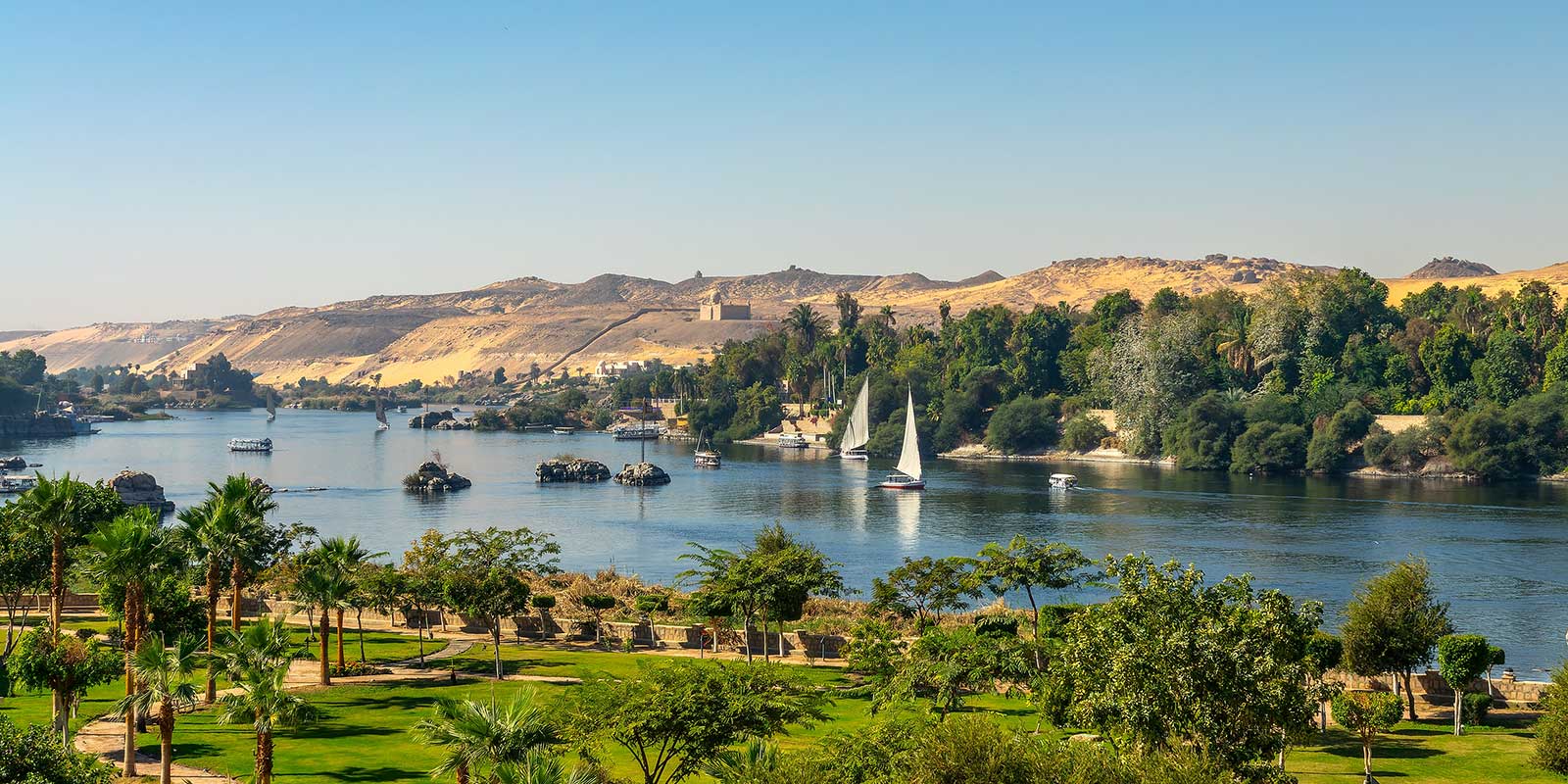
The Nile River
200
Identify one way that people positively impact water sources. Explain how this is a positive impact.
E.g. Dams - provide a controlled fresh source of available water
200
Lucky Dip Challenge: A debate has been called between you and any other team you choose. All other teams become judges!
The two competing teams should stand on either the left or right side of the classroom.
TOPIC: Swimming pools waste too much water.
Left side - agree, they do waste too much.
Right side - disagree, they don't waste water.
200
Explain the "recycling water" sustainable water strategy.
Filtering water so that it can be reused for a variety of purposes.
300
Define: Water's economic value. Give an example.
The value of water used to drink, to wash, for use in agriculture and industry OR $$$
300
What is the name of this dam?
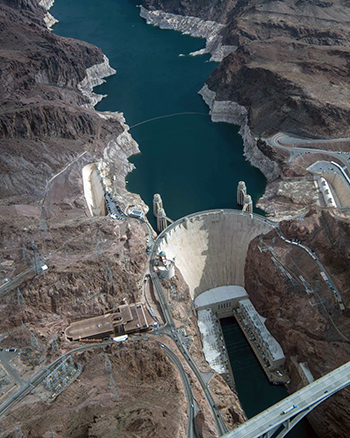
Hoover Dam
300
What percentage of the Earth's water is fresh water?
2.5%
300
LUCKY DIP CHALLENGE:
All or nothing! Choose either A or B, then answer:
What are the TWO longest rivers in the world?
a) Double points for a correct answer; loss of points for an incorrect answer.
b) Single points for a correct answer; points to the losing team for an incorrect answer.

300
Provide an example of how water connects people to places through leisure.
E.g. People are connected to oceans to engage in leisure activities such as surfing.
300
What is a choropleth map?
A map that use different intensities of a similar colour to represent differing amounts of a thing.
300
Explain the desalination process.
Removing the salt from salt water to provide fresh water.
400
Define: Water's cultural/historic value. Give an example.
Valuing water for its historical connections. E.g. ancient fish traps.
400
Lucky Dip Challenge: A debate has been called between the two lowest scoring teams. All other teams become judges!
The two competing teams should stand on either the left or right side of the classroom.
TOPIC: Bottled water should be banned.
Left side - agree, it should be banned.
Right side - disagree, it should not be banned.
400
What is the difference between available and potential water? Give an example of each.
Available water is fresh water that is able to be consumed. E.g. fresh water lake. Potential water is water that is not ready to be used yet. E.g. salt water
400
Ordinary water consists of ......hydrogen atoms and .... oxygen atom
Two hydrogen atoms and one oxygen atom
400
Provide an example of how water connects people to places through agriculture.
E.g. Water allows crops on farms to grow. People are connected to these farms when they eat this produce.
400
Lucky Dip Challenge!
You've summoned a challenge! All teams will race at once. Clear space in the middle of the room (under teacher direction).
It's a water relay, without water!
400
List 4 strategies for sustainable water management. (Ways to prevent water scarcity).
Water restrictions, desalination, recycling water, dam control, increase water costs, transporting water, etc.
500
Define: Water's spiritual/religious value. Give an example.
Valuing connection to water through beliefs and thoughts. E.g. baptism.
500
What is the difference between weather and climate?
Weather: Conditions of the atmosphere over a short period of time.
Climate: How the atmosphere behaves over a long period of time
500
Is water a finite or infinite resource?
Finite resource
500
Lucky Dip Challenge!
Everyone is to stand in a circle. A category will be called. If you can't give an answer, you're eliminated. You can not repeat an answer already stated!
Categories:
Name a river. Uses of water. A country with water scarcity. Colours of water. Forms of precipitation. Water sports. Names of water-related sports people.
500
List two ways that people negatively impact water sources. Explain how they both impact the environment.
e.g. Pollution - Oil spills cause animals to die.
e.g. Erosion - destruction of riverbanks impact animal habitats.
500
What beach is this?
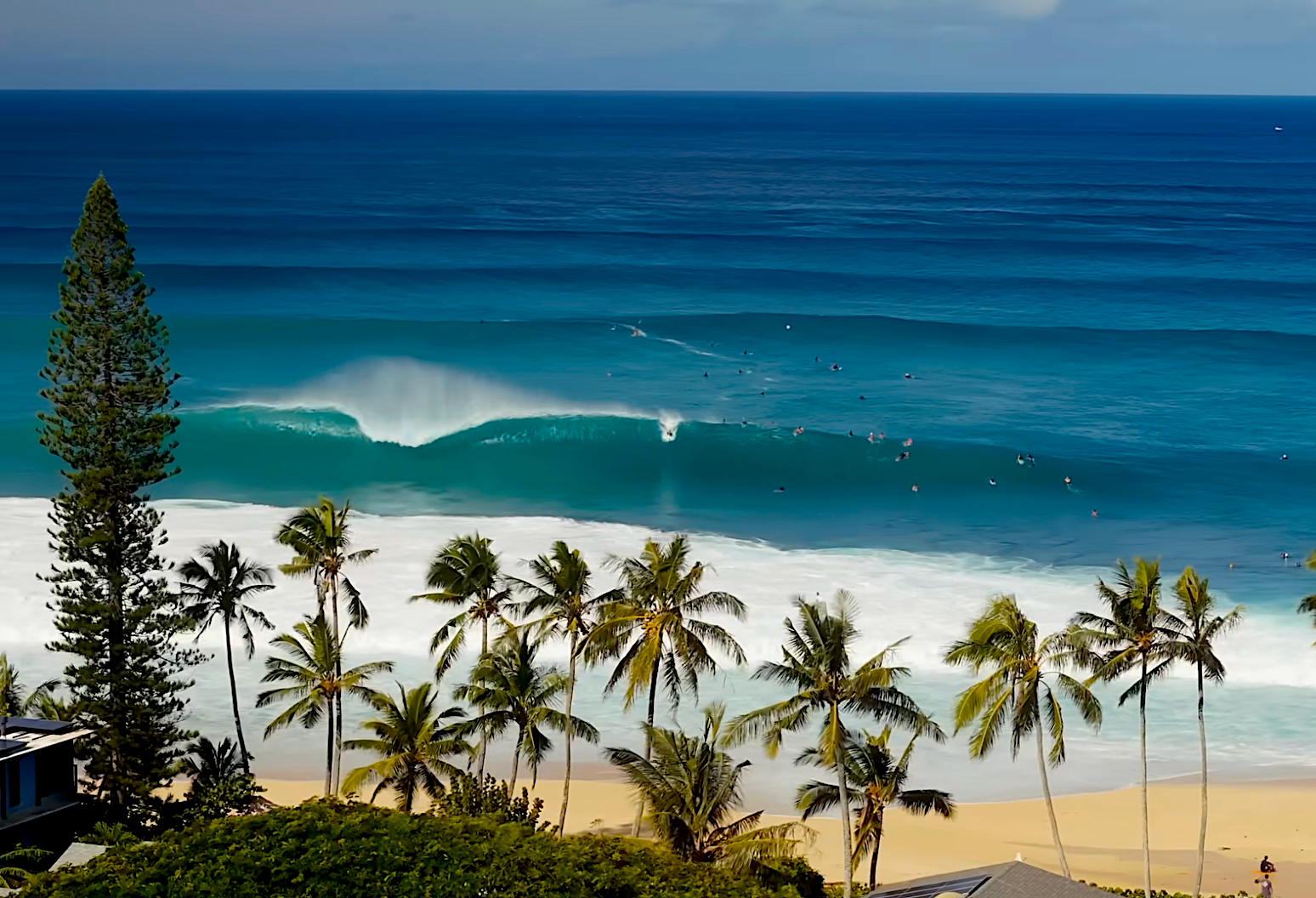
The (Banzai) Pipeline, on O'ahu in Hawai'i.
It's the world's deadliest and most iconic surfing wave with perfect barrels over a shallow reef. It's where the Billabong Pipeline Masters occurs.
500
What is the difference between economic water scarcity and physical water scarcity.
Economic - insufficient finances to access water.
Physical - limited physical access to water.