Definitions
Facts & Characteristics I
Facts & Characteristics II
Examples
Pictures
100
Define geography.
What is the study of the human and nonhuman features of Earth?
100
These five themes of geography help us better understand the world we live in.
What are movement, region, human-environment interaction, location, and place?
100
Geographers ask two questions about the world. Name those questions.
Where are things located?
Why are they there?
100
Spartanburg's latitude is...
What is 34 degrees north?
100
A map is a type of ___________________________________________.
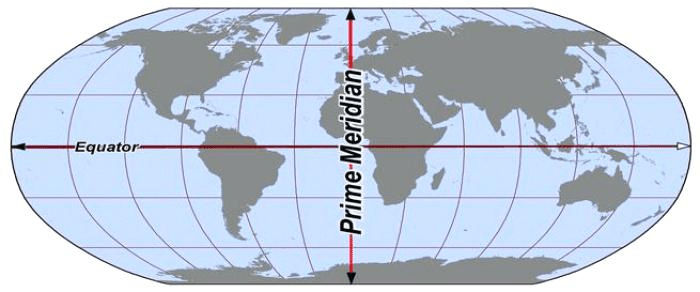 What is projection?
200
This term is defined as the position north or south of the Equator.
What is latitude?
200
Lines of latitude are called ____________________ because they are parallel to each other; they never cross the other lines.
What are parallels?
200
Lines of longitude are called ______________________________; the Prime Meridian is one example!
What is meridians?
200
Spartanburg's longitude is...
What is 82 degrees west?
200
What types of lines are shown on this map?
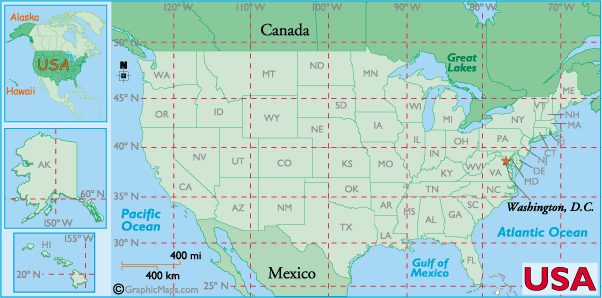 What are lines of latitude and longitude?
300
This term is defined as the position in degrees east or west of the Prime Meridian.
What is longitude?
300
Latitude and longitude lines are both measured by these units that measure angles.
What are degrees?
300
If a scale on a map was 1 inch = 1000 miles, how many miles would 4 inches represent?
What is 4000 miles?
300
Give an example for cardinal directions.
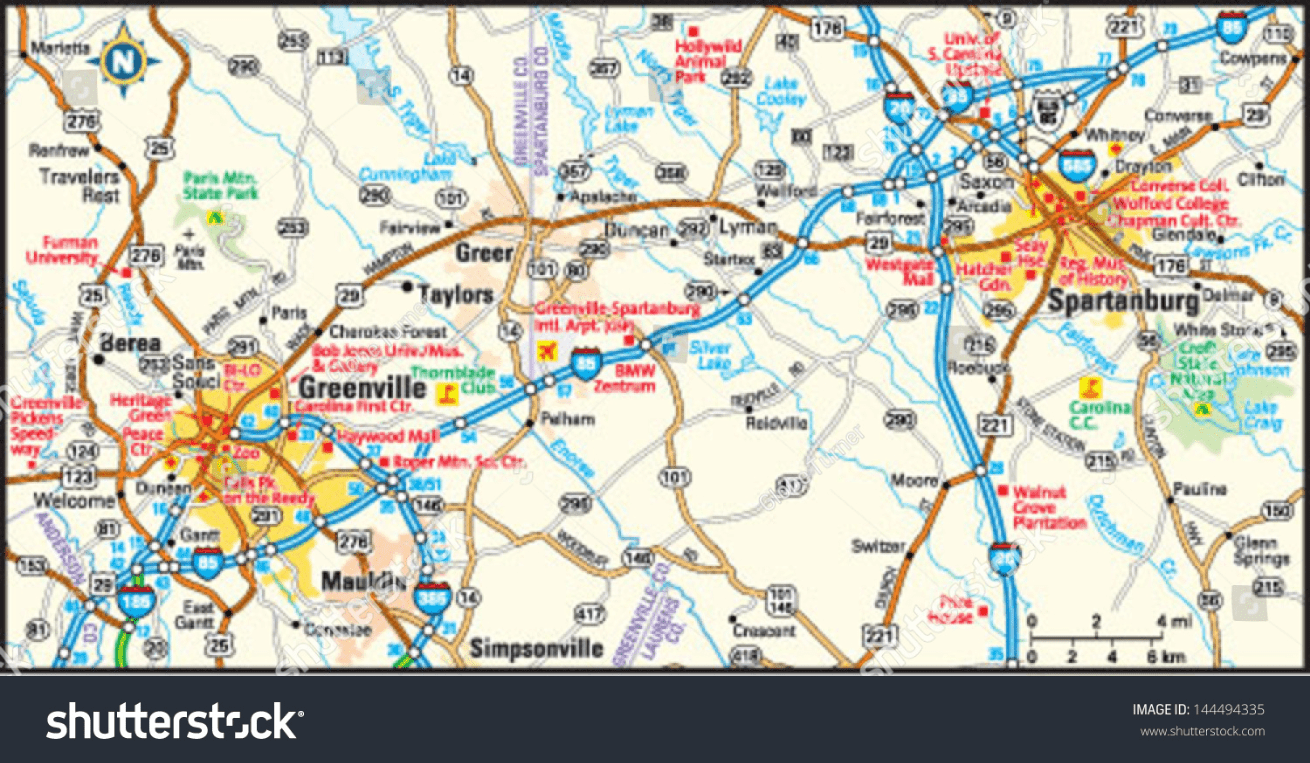
If heading to Spartanburg from Greenville, you would travel east. If heading to Greenville from Spartanburg, you would travel west.
300
Draw a picture of cardinal directions using a compass rose.
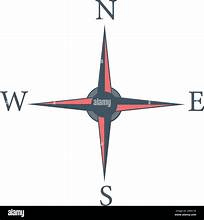
400
This term is defined as the area a given space on the map or globe corresponds to in the real world.
What is scale?
400
Geographers use cardinal directions to show...
What is a specific location on Earth? Where something is located on the Earth.
400
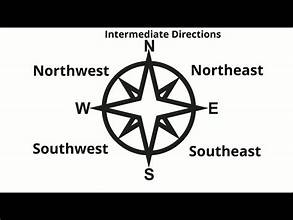
Intermediate directions are ________________________ points between the cardinal directions.
What is halfway?
400
Give an example of geography.
What is physical geography, cultural geography, economics, government, religion, maps?
400
Draw a picture of intermediate directions using a compass rose.
500
Define distortion.
What is the loss of accuracy in the size or position of objects?
500
This projection shows nearly the correct size and shape of most land areas on Earth.
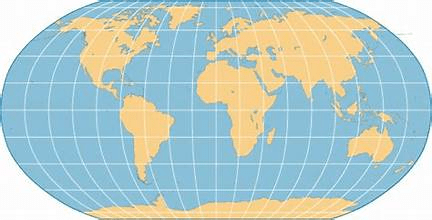 What is the Robinson Projection?
500
How many degrees of longitude are on a map?
What is 360 degrees?
500
Why is geography important to study?
What is answers will vary?
500
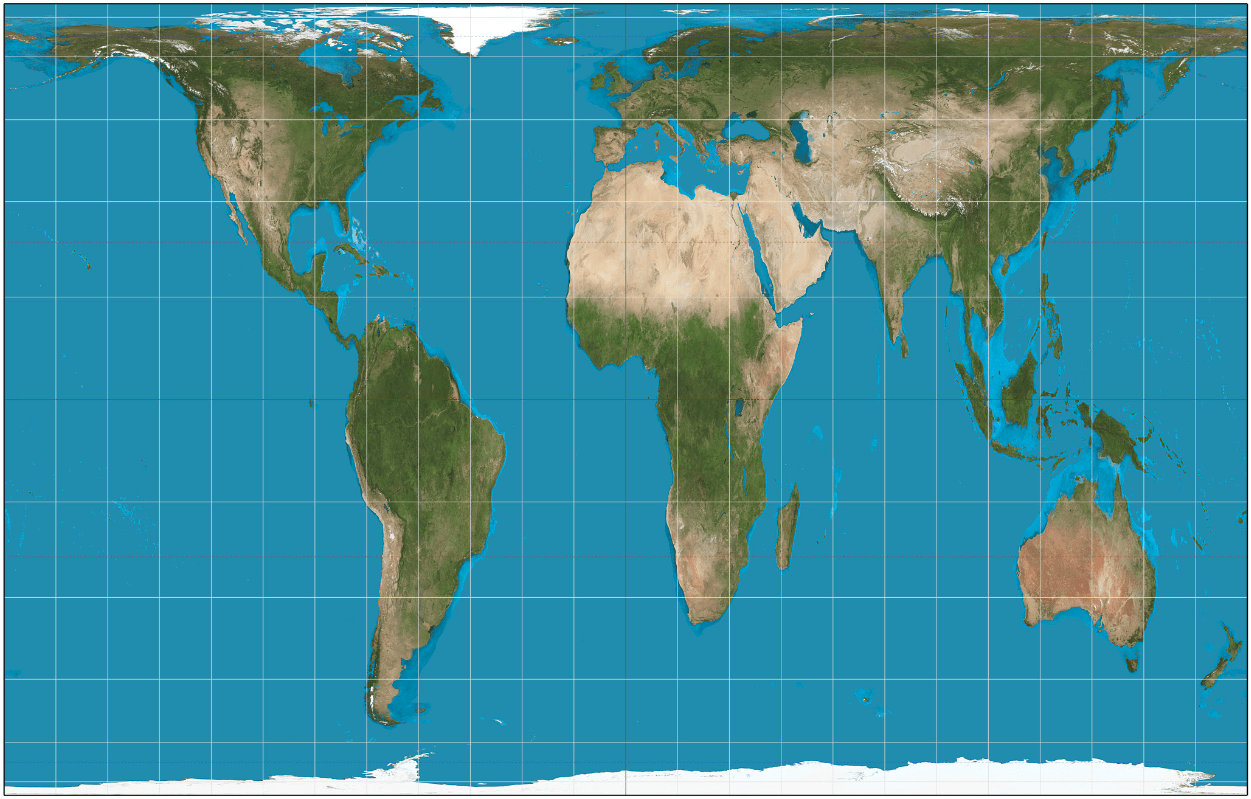 Describe how this map is a distortion from how Earth really looks.
What is the Gall-Peters Projection changes the shapes of each countries' landmass?