Old Rules
Vocab
Think Like a Historian
Ancient Civilizations
Fun Facts
100
“An eye for an eye” is associated with this ancient law code.
Hammurabi’s Code
100
This person studies and interprets the past using evidence.
Historian
100
A diary written by someone who witnessed an event is what type of source?
A. Secondary source
B. Primary source
C. Reference source
D. Fictional source
B. Primary source
100
Ancient Egyptian farming depended on this river.
Nile
100
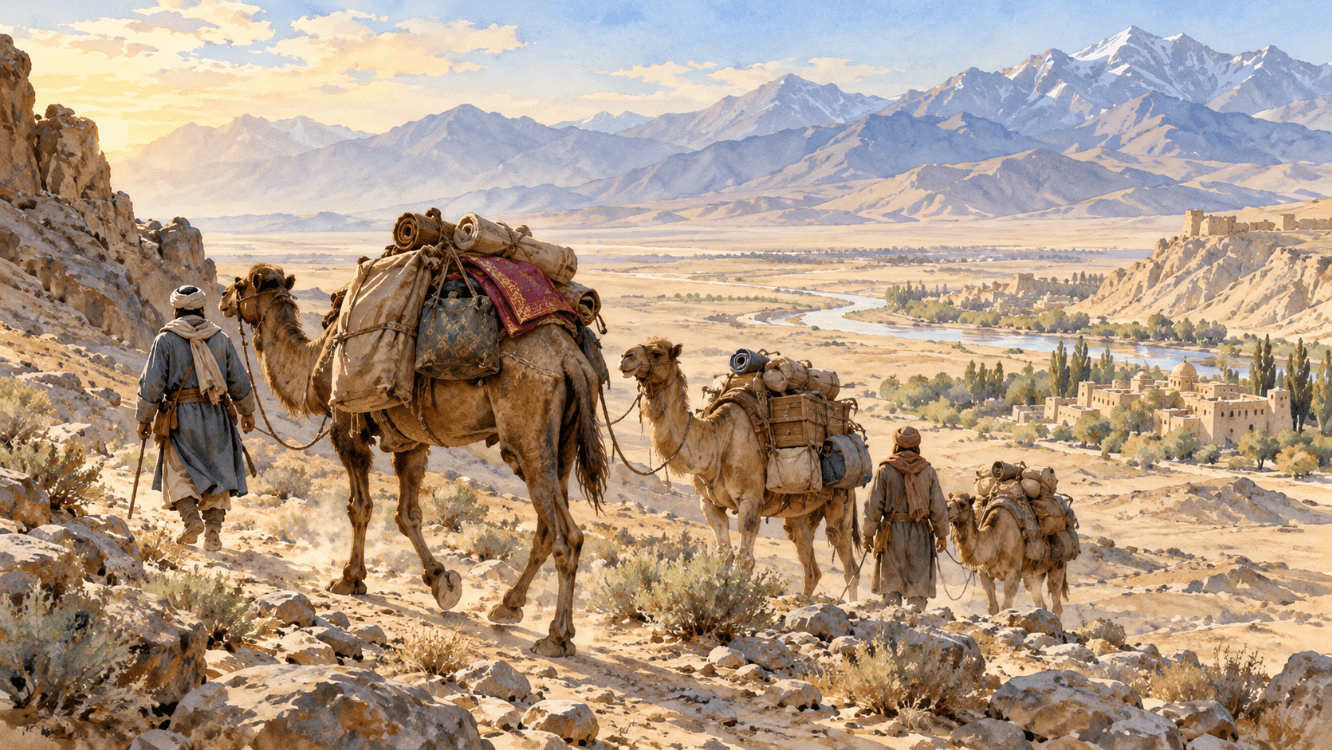 Despite its singular name, this was a whole network of routes across Eurasia.
Silk Road
200
Ancient Rome displayed its written laws in this collection named for its number of tablets.
Twelve Tables
200
This word means the buying, selling, and exchange of goods and services.
Commerce
200
A history book written years later using earlier records is this type of source.
Secondary source
200
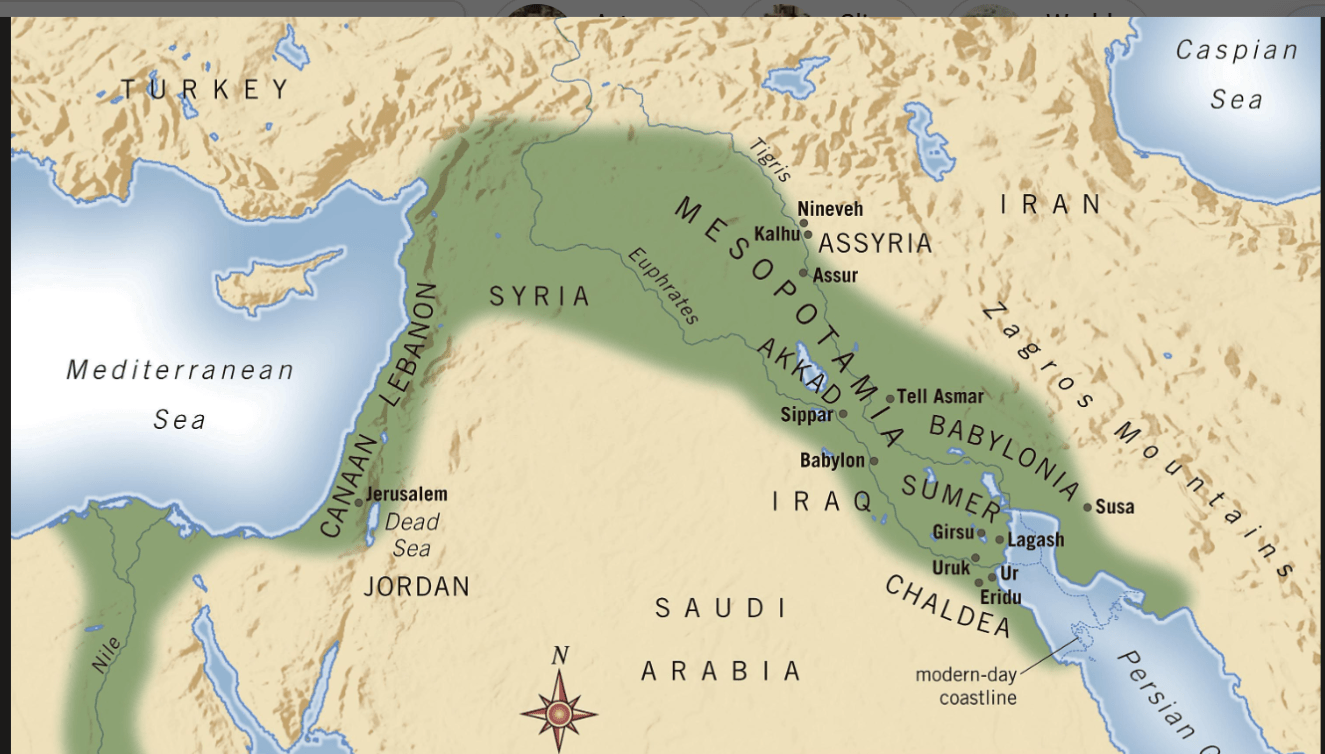
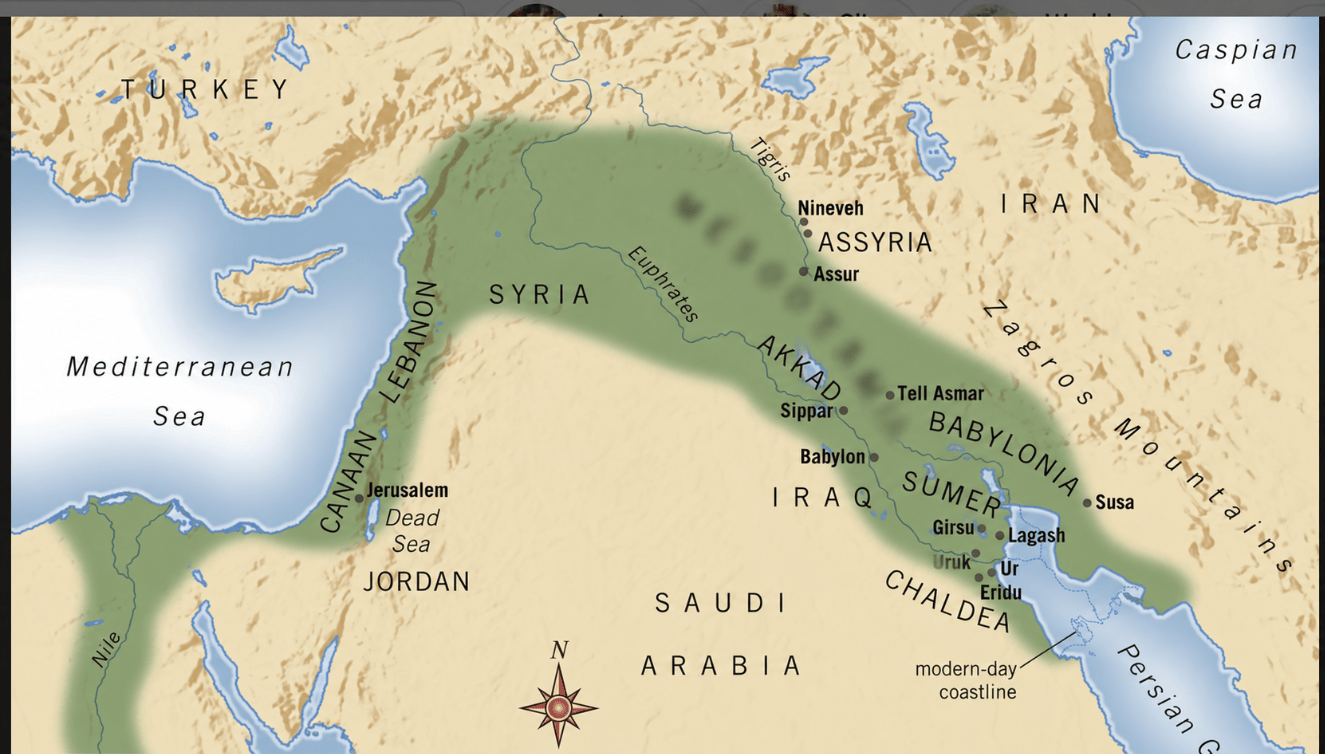 This region is between the Tigris and Euphrates Rivers.
Mesopotamia
200
This animal helped merchants carry goods across the Sahara Desert.
Camel
300
This Athenian lawgiver is remembered for a particularly harsh written code.
Draco
300
Merchants might travel together in this group for safety.
Caravan
300
“Who made this document, and why?” is which historical skill.
Sourcing
300
This civilization developed along a river of the same name in South Asia.
Indus Valley civilization
300
Ancient Egyptians made a writing surface from this plant that grew near the Nile.
Papyrus
400
Dividing government authority among different branches is called this.
Separation of Powers
400
When ideas or beliefs move from one society to another, historians call it this.
Cultural diffusion
400
Explain or give an example of contextualization?
Understanding what was happening in a place and time when a document was created.
400
Ancient papermaking is associated with this civilization.
China
400
The English name of this branch of math comes from the Arabic al-jabr.
Algebra
500
This principle says that rulers must follow established laws, too.
A. Separation of powers
B. Rule of law
C. Divine right of kings
D. Popular sovereignty
B. Rule of Law
500
This name combines Africa, Europe, and Asia into one connected region.
Afro-Eurasia
500
Comparing several accounts to see where they agree or disagree is this skill.
Corroboration
500
Hammurabi ruled this ancient Mesopotamian kingdom.
Babylon
500
What type of writing is cuneiform?
A Mesopotamian writing system that uses wedge-shaped marks pressed into clay.