Endocrine
Respiratory
Haemotology
Reproduction
100
When discussing immunity, what would the consequence of a defect in tolerance lead to?
Autoimmune disease = Issues associated with self-antigen recognition. Self-antigens would fail to recognise self as safe but rather as antigens that need to be destroyed
100
A 35-year-old woman presents to the family medicine clinic due to a several-week history of hoarseness. She is unable to project her voice in a loud environment and has difficulty speaking for long periods of time. Past medical history reveals hyperthyroidism. Past surgical history is significant for a thyroidectomy performed 2 weeks prior. This diagnosis can be confirmed through evaluation by which of the following methods?
Electrocardiography
Barium swallow
Fiberoptic laryngoscopy
Esophageal manometry
Electromyography
ANS: Fiberoptic laryngoscopy
Vocal cord paresis should be suspected in patients with hoarseness following thyroid surgery. Direct visualization through fiberoptic laryngoscopy (or alternative laryngoscopy) should be utilized in such patients.
Main explanation
Fiberoptic laryngoscopy can be utilized to identify both unilateral and bilateral vocal cord paralysis. The patient in this case is likely suffering from recurrent laryngeal nerve paralysis secondary to nerve injury during the thyroidectomy. Other possible causes of hoarseness include acute laryngitis, vocal fold lesions, and laryngeal cancer.
Laryngeal configuration and mobility are best evaluated using fiberoptic laryngoscopy or rigid-tube laryngoscopy, which provide magnification and recording of the image for further study.
Laryngeal stroboscopy can also be utilized for a detailed evaluation of vocal fold vibration and is especially useful for postoperative evaluation. The remaining studies provide little information regarding the injury and extent of injury to the true vocal cords.
100
A 25-year-old female presents to her GP with fatigue and dizziness. She has been taking ibuprofen regularly for chronic pain due to injury. Blood test results show: normal WCC, low Hb, low MCV. Iron studies show: low iron, low ferritin, high TIBC.
1. What is the likely diagnosis?
2. What would you expect to see in the blood smear?
1. Iron-deficiency anaemia
2. Hypochromic, microcytic anaemia
100
What 3 structures make up the broad ligament?
mesometrium, mesosalpinx, mesovarium
200
Describe the role of the adrenal gland in response to stress (both short term and long term).

200
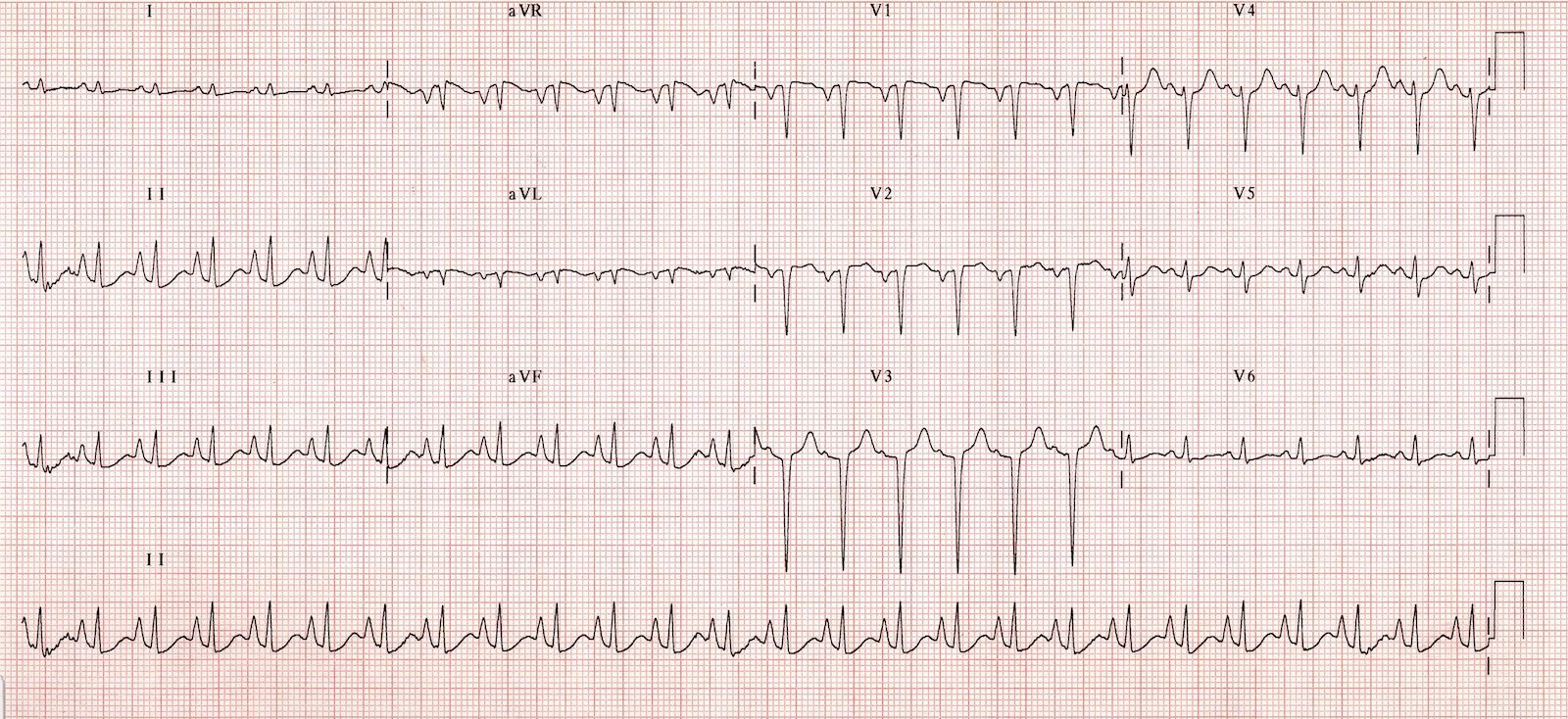
You are reviewing the ECG of a 66-year-old male smoker. He has smoked 70 pack years and is known to have COPD in addition to hypertension and diabetes. Which of the following medications best explains the sinus tachycardia seen on this ECG?
Guaifenesin
Prednisone
Azithromycin
Salmeterol
None of the above
SALMETEROL
This patient with COPD has classic findings on ECG, as are pointed out below. But he also has pretty significant sinus tachycardia (HR around 150), which is not a "typical" finding for a random ECG of a patient with COPD. This question asks you to review some typical medications used in patients with COPD and decide which one could cause a sinus tachycardia. The answer is a beta agonist like salmeterol. Theophylline can also be used in COPD and can cause sinus tachycardia. However, it is not used frequently because of associated toxicities.
200
A 30-year-old male presents to his GP with a headache, chills and a fever that occurs every other day. He returned from a trip to Africa around a month ago.
1.Based on the history, what organisms could be the cause of malaria in this patient?
2. A thin blood smear shows multiple thin rings and infected RBCs are not enlarged. What is the likely organism?
1.
- Cyclical fever (tertian) – P. falciparum, P. vivax, P. ovale
2.
- P. falciparum
200
In which pathology would you observe this? And what is it called?

A: lymphogranuloma venerum (LGV)
B: Bubo
300
Describe the pathophysiology of Systemic Lupus Erythematosus (SLE), including general and local symptoms
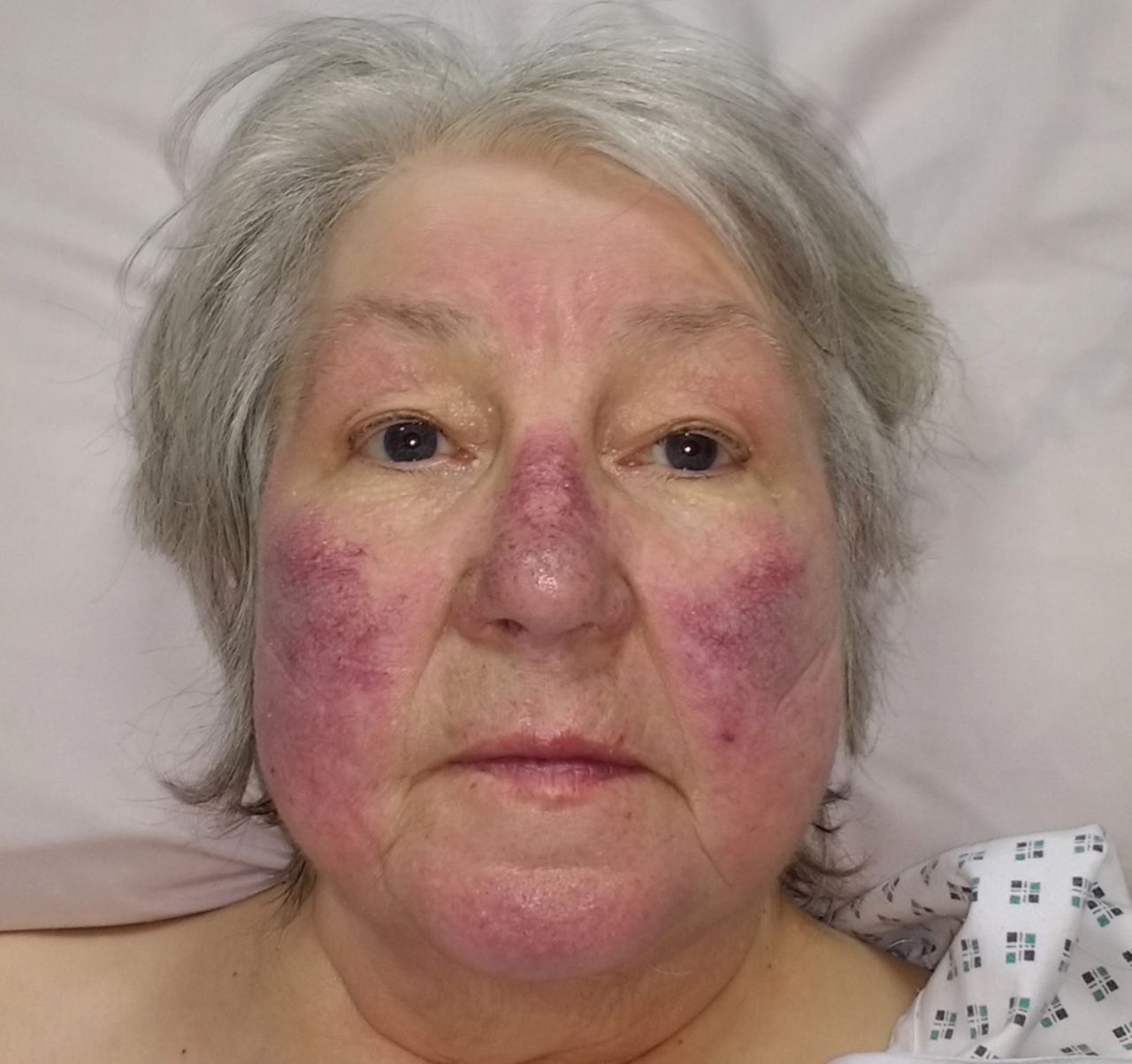
An immune-pathophysiological disorder associated with Type II Hypersensitivity reaction Affecting multiple systems.
- Unknown reason why but both genetics and enviro pay a part
- Susceptibility genes + UV radiation or other = DNA damage = Apoptosis
- Apoptotic bodies + nuclear debris in blood = nuclear antibodies
- Immune response Antinuclear antibodies of susceptible individual formed to attack these fragments as poor clearance. These deposit in various tissue
- Local inflame + Activation of compliment system = enzyme cascade = tissue damage
General and local symptoms
- Fever joint, pain, rash, women child bearing age
- Malar rash on face
300
A 65yr old man presents with dyspnea of exertion that has been worsening over the past several year. He has also had a non-productive cough during the same period of time. On questioning, the mans says he worked for 30yrs stripping insulation for homes and renovating the insulation. On physical examination, chest expansion is restricted and there are fine inspiratory crackles heard most pronounced at lung bases.
1. Is this a restrictive or obstructive disease?
2. What is the most likely diagnosis?
3. Describe the changes seen in the flow volume loop and the ratios
1. Restrictive
2. Asbestosis
Key words:
Insulation – From above
Crackles are lung bases
3.
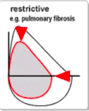
The whole loop shrinks in size
¯ FVC
¯ TLC
FEV1/FVC ratio
300
- A 67-year-old man presents to his GP with fatigue and easy bruising. He also reports being sick more often than unusual in recent months. Blood test results show a blast cell count of 20%.

What is the likely diagnosis?
What are band cells and what do they indicate?
List four classes of chemotherapy agents.
1. AML
2.
- Bi-lobed immature neutrophils, indicates left shift
3.
- Alkylating agents, antimetabolites, anthracyclines, antimicrotubule agents
300
Name 3 risk factors of STIs?
A: early sexual activity, low education levels, recreational drug use, prostitution
400
A 48-year-old male presents to his GP for a regular check-up. He reports increased frequency of urination but denies Dysuria (pain).
PMH: is significant for Type II IDDM & hypertension. He manages both with medication. He also reports he has had a mild chronic cough for several years.
Current medications:
- Metformin
- Aspirin
- Rosuvastatin
- Captopril
- Furosemide
Vitals: Unremarkable
BMI: 32
PES: Visible jugular pulsations in neck bilaterally
Labs:
- HbA1c = 7.5%
- Fasting Blood gluc = 12
Which is the next best step in managing this patient and why?
- Stop metformin
- Replace captopril with valsartan
- Start rosiglitazone
- Stop furosemide
- Start exenatide
E. Start Exenatide = glucagon-like peptide 1 receptor agonist helps control postprandial blood glucose by increasing insulin, also causes weight loss good for our obese patient.
Rest of options will interact too adversely with his commodities and drugs and or have nil additional benefit in controlling his diabetes
400
56yr old man presents with generalised weakness, cough and a 8kg weight loss over past 6wks. He has a 30 pack year smoking history. Serum tests show hypokalaemia. Biopsy shows this:

1.Small cell carcinoma
2. SCC has association with syndrome Cushing’s Syndrome
3.Keratin pearls and intercellular bridging
400
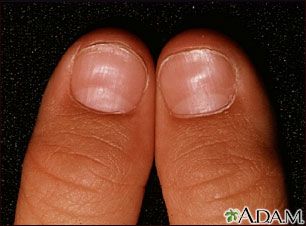
A 24 year-old woman comes to the office because of decreased exercise tolerance for the last two months. She denies fever, chills, recent illness, sick contacts, or recent travel. Examination shows conjunctival pallor and flattened fingernails with several concavities as seen in the photo. Her periods are regular, and her last menstrual period was three weeks ago. Which laboratory findings are most likely to be seen in this patient?
Hb 8.1 g/dL, MCV 74 fL, low ferritin
Koilonychia is a rare clinical finding that has an association with iron deficiency anemia. Other findings may include esophageal webbing, glossitis, angular stomatitis, and gastric atrophy. A low mean corpuscular volume (MCV) with low ferritin is specific for iron deficiency anemia.
400
A 35-year-old woman comes to the office because of irregular bleeding since her last period three weeks ago. She says her bleeding is consistently postcoital. Examination shows no abdominal masses and no peripheral edema. Her urethra is normal, and her fecal occult blood test shows no abnormalities. She is not pregnant. What is the most likely diagnosis?
Cervical neoplasia may be characterized by postcoital bleeding for about 11% of cases. Postcoital bleeding refers to spotting or bleeding unrelated to menstruation that occurs during or after sexual intercourse. Other causes include cervical polyps, vaginal cancer, or genital infections.
500
A 19-year-old man comes to the emergency department because of a 7-day history of night sweats, racing heart, and hyperexcitability. He has a history of prolonged anxiety attacks since childhood. Physical examination shows a heart rate of 130/min and respirations of 25/min. Which of the following laboratory values is most likely decreased?
Serum total T3
Serum free T4
Serum total T4
Serum TSH
Major takeaway: SERUM TSH
Hyperthyroidism laboratory values show reduced TSH and elevated T3 and T4, which are responsible for the signs and symptoms, including of night sweats, racing heart, and hyperexcitability.
Main explanation
This patient's symptoms suggest hyperthyroidism. TSH is the most likely one of the given laboratory values to be decreased in patients with hyperthyroidism. Rarely is an elevated TSH the cause of hyperthyroidism. T3 (triiodothyrine) and T4 (thyroxine) levels are raised in states of hyperthyroidism. These elevated T3 and T4 are responsible for the signs and symptoms associated with hyperthyroidism. As such, the negative feedback loop of the hypothalamic-pituitary-thyroid axis will result in TSH at low serum concentrations in these patients.
Graves disease is the most common etiology for hyperthyroidism in the United States. Internationally, the etiology of thyroid disease is suspected to be greatly influenced by iodine consumption.
500
A 55yr old woman presents to ED gasping for air and is struggling to breathe.
She has a history of HTN and has noticed that she is urinating more frequently and reports to feeling more thirsty lately.
She has BMI of 32, BP is 140/90mmHg, RR of 27. Urine dipstick reveals 2+ glycosuria and ketones
Her serum results:
Arterial pH = 7.30
pCO2 = 32 mmHg
Bicarbonate = 18 mEq/L
1.What is the most likely diagnosis based on condition?
2.What is happening to her at the moment. Take the serum results into account?
3.What is the name given to the breathing she is displaying?
4. Would her anion gap be normal or high?
1. Diabetes Type II
2. Diabetic ketoacidosis with partial respiratory compensation
3. Kussmaul breathing
4. High
500
A 40-year-old man comes to his primary care physician because of fatigue, chills, and night sweats for the last month. In addition, he reports significant weight loss without trying, and the appearance of bumps on his neck that look like "alien eggs sticking out." Family history is significant for father with metastatic prostate cancer. Physical examination shows enlarged nontender cervical lymph nodes and a fever of 38.1°C (100.6°F). A biopsy of the lymph nodes is shown below. What is the diagnosis and what is the name of the cells found?
What symptoms would you expect to find with this disease?
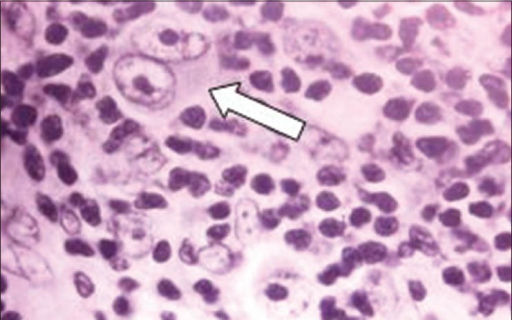
Hodgkin lymphoma is a B-cell lymphoma characterized by lymphadenopathy, constitutional B-symptoms, and the presence of Reed-Sternberg cells expressing CD15 and CD30 cell surface antigens.
The symptoms include pruritis, back or bone pain, splenomegaly, hepatomegaly, and central nervous system symptoms.
500
A 20-year-old woman comes to the emergency department because of right upper quadrant pain for the past month. More recently, the pain has increased in severity and she says that the pain spreads to her right shoulder sometimes. Her temperature is 38.9°C (100.7°F), pulse is 106/min, respirations are 15/min, and blood pressure is 129/88 mm Hg. She has a history of sexually transmitted diseases and pelvic pain. Physical examination shows severe pain in the right upper quadrant during palpation. A bimanual examination shows cervical motion tenderness. She had an exploratory laparoscopy performed 1 week ago and it showed perihepatic adhesions. What is the most likely diagnosis?
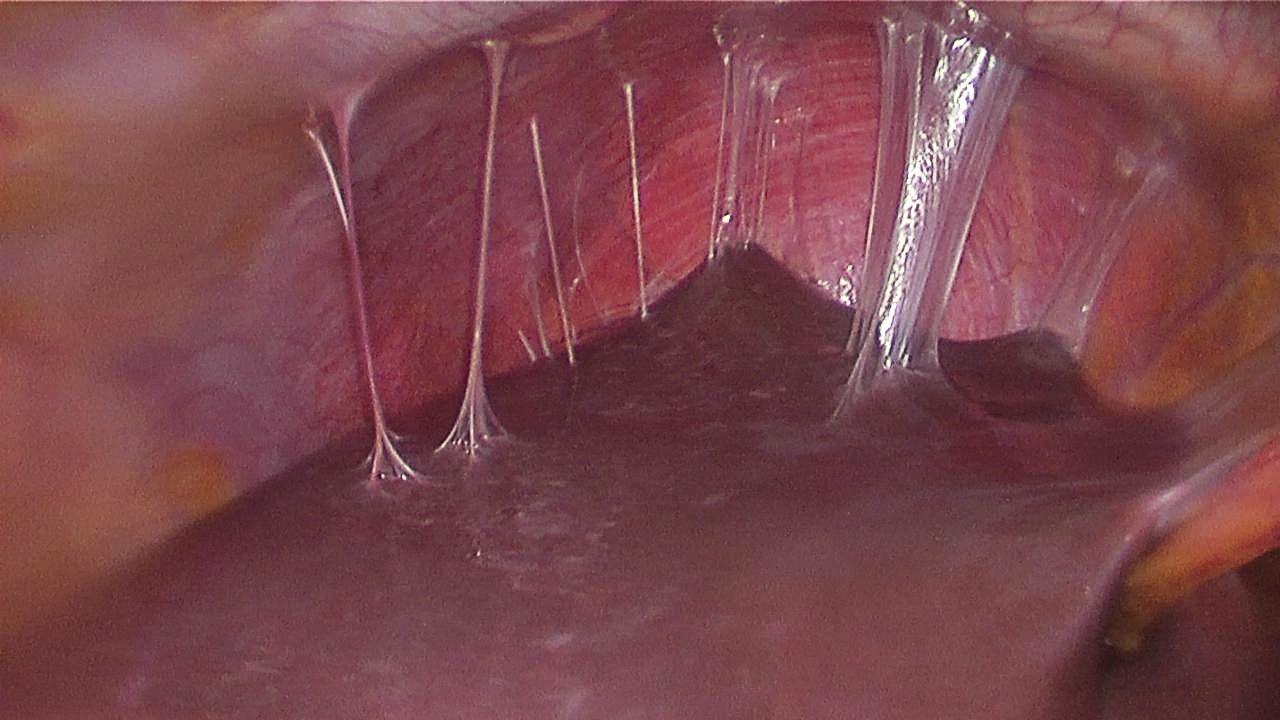
Infection with Chlamydia trachomatis
Pelvic inflammatory disease is an ascending infection which can progress to Fitz-Hugh-Curtis syndrome. This leads to right upper quadrant pain and/or tenderness, occasionally with radiation to the right shoulder.