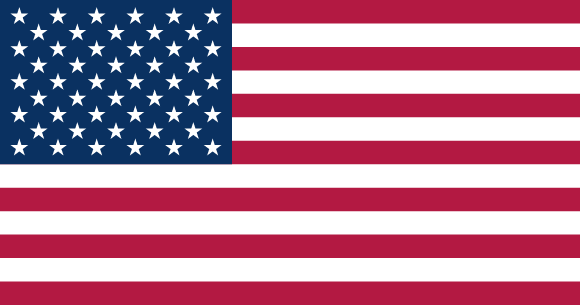
The thirteen stripes should symbolize the first colonies involved in these fights, originally together with thirteen stars arranged in the circle. The current form of the flag, which was adopted in 1912, kept thirteen stripes indicating the first member states. However, the number of stars increased with accession of new members from 13 to 50. The last star was added in 1960, when Hawaii officially became a state.
United States of America
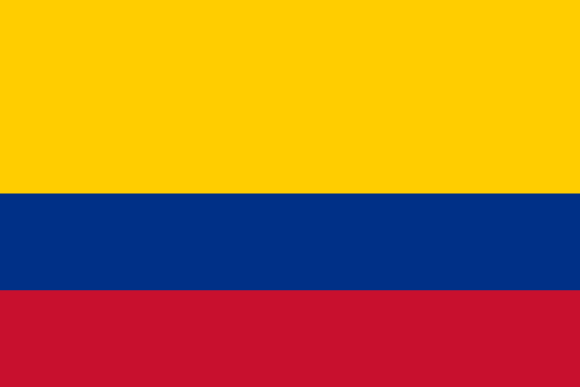
This flag consists of three horizontal stripes - yellow, red, and blue one, where the yellow one is wider compared to the other stripes. The flag should express the unity of the country's population which has experienced many difficulties over time. Yellow color symbolizes the country's gold, blue the Pacific Ocean bathing its shores, and the red refers to the blood shed during the struggle for freedom.
Columbia

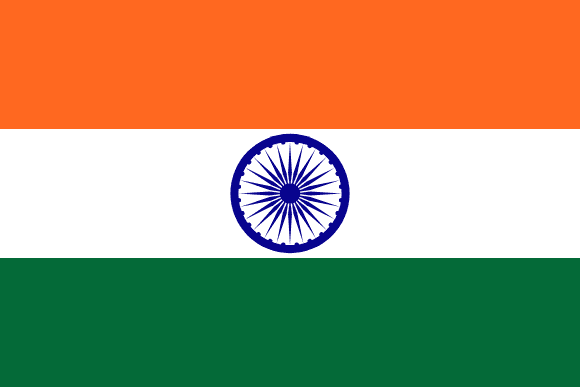
The symbolism of colors is as follows: orange represents Hinduism, courage and sacrifice, green faith and Islam, and white symbolizes commitment to peaceful coexistence of both religions. In the center of the white stripe, a motif of blue sun with torches - an ancient symbol of Brahmanism and god Vishnu, is placed.
India
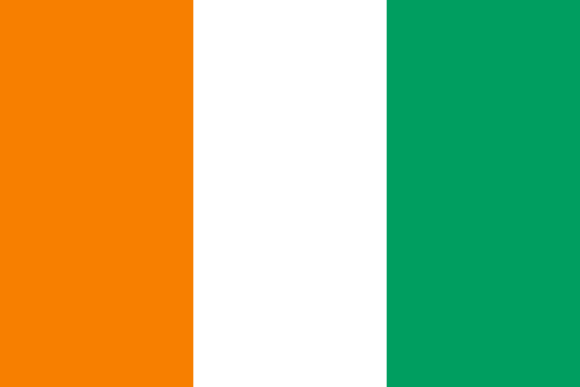
This flag was adopted in 1959 and it is composed of three vertical stripes - orange one, white one, and turquoise one. This country is a former French colony which achieved independence in 1960. It is also the reason why the flag resembles the French tricolor at the first glance, but in a different color combination. Orange stripe is supposed to symbolize the desert and savannahs in the northern part of the country and also the progress of the country, white stripe stands for peace, national unity and ripples on the surface of the local rivers Sassandra, Bandama and Kamo, and green stripe marks hope for better future and lush tropical rain forests in the southern part of the country.
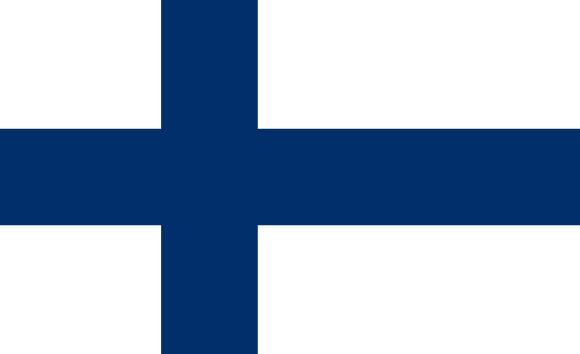
This flag is also known as Siniristilippu (blue cross). Blue Nordic cross reaches the edges of the flag and it is located on a white background. The shorter arm of the cross is shifted closer to left side of the flag, like in case of other Scandinavian flags, but the cross is more massive compared to the others. Blue symbolizes thousands of lakes and white stands for snowy landscape.
Finland
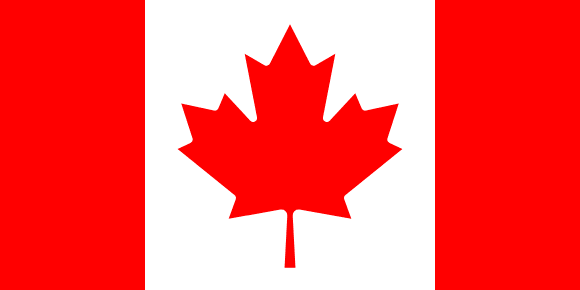
The central theme of this flag is a maple leaf, which refers to the indigenous population that has been using the maple sap for centuries, and which still is a traditional product of this country. The maple leaf became a symbol of its athletes in the 20th century and also a symbol of its soldiers in both world wars. Red leaf is placed on a white background and the flag is lined with two vertical red stripes.
Canada
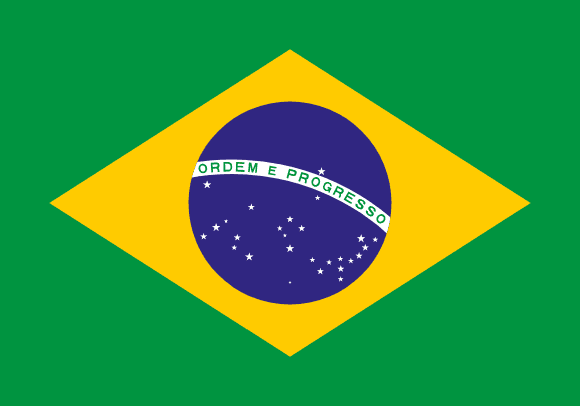
This flag has truly unique design - the globe in the center of the flag shows the night sky exactly as it could be observed on November 15, 1889 at 8:30 am from Rio de Janeiro (on this day the country's monarchy was brought down). Every single star in the sky represents one state and the globe is surrounded by a yellow diamond, which is set in a green background. The inscription Ordem e Progresso on a white ribbon, which goes through the globe, means "Order and Progress".
Brazil
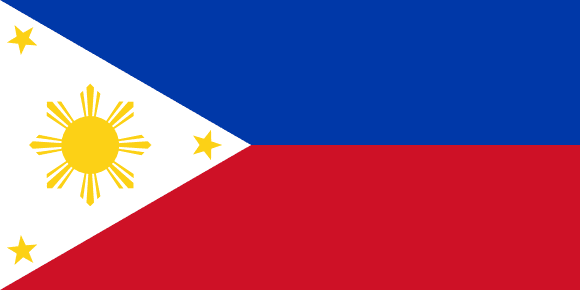
This flag was designed in the 19th century by the leader of the uprising against the Spanish domination Emilio Aguinaldo, who defeated the enemy on 28 May 1898 at the battle of Alapan. Tricolor of white, red and blue was chosen with reference to the United States used to rule the country. Thus, the flag is composed of two horizontal stripes of red, blue, and a white triangle in the left part of the flag. Three golden stars in each of the peaks of the triangle represent the three main islands - Mindanao, Luzon and Visayas. In the middle of the wedge, there is a golden sun with eight rays in the shape of a sword, symbolizing the first eight founding provinces.
Philippines
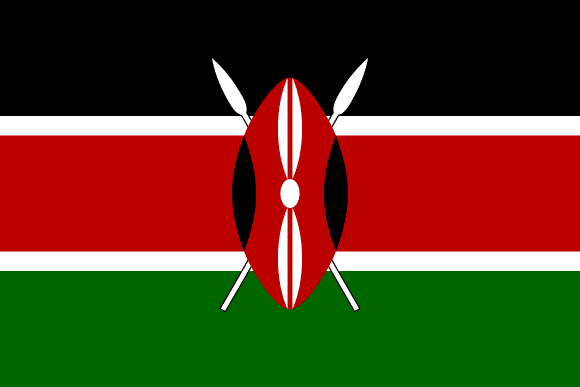
This flag consists of black, red and green stripes, which are divided by two white stripes. The center is decorated with a shield of Masai warriors. The black color represents the African population, the red blood shed during the struggle for independence and green stands for the green vegetation and fertile soil. White stripes have unifying character and also stand for peace.
Kenya
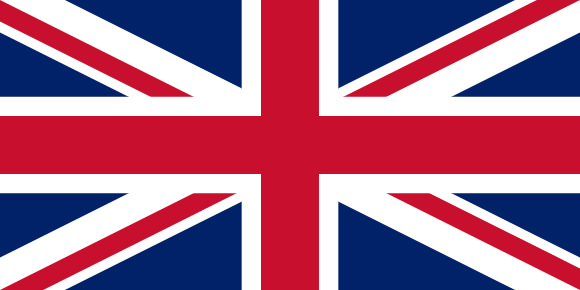
This flag is also known to the British as a Union Jack, has been used since 1603 when the Scottish King James VI became the king. The symbolism of the flag expresses the linkage between three countries. The central theme is a red cross of St. George.
Great Britain
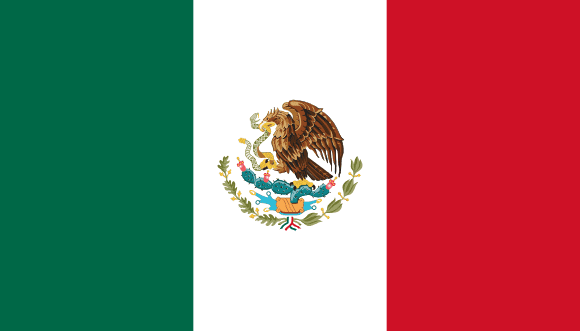
This flag consists of green, white and red vertical stripe. In the middle of the white stripe, there is a national emblem depicting an eagle clutching a snake in its talons and beak. Under this scene, an oak and laurel branches tied with a ribbon in the colors of the tricolor are portrayed. According to Aztec legend, the Indian people were instructed by god Huitzilopochtli to settle down in place where they would see this scene. It happened on an island in lake Texcoco, where they settled and founded the city of Tenochtitlan (in the area of today's capital).
Mexico
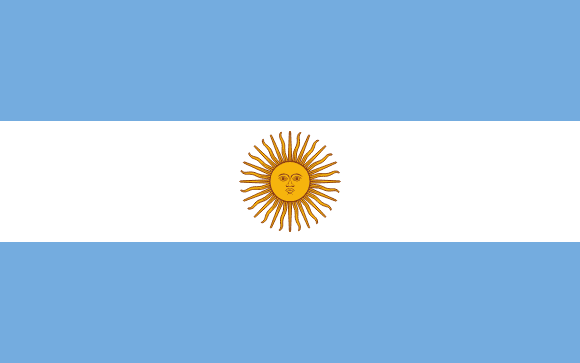
This flag is strikingly similar to the flag of Uruguay, especially by its blue-and-white design and yellow symbol of sun, which represents the Inca god of sun called Inti. The white stripe is surrounded by two pale blue stripes and a symbol of the sun is located in its middle.
Argentina
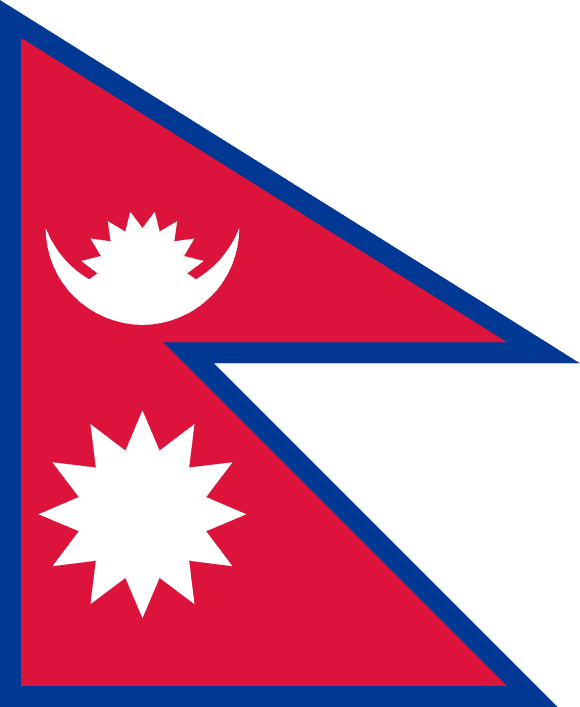
The unconventionally shaped flag of this country, which was adopted in 1962 together with its constitution, is made up of two orthogonal triangles where one is placed on the top of the other, both lined with a blue stripe. This shape emerged from a combination of two flags of competing branches of Rana dynasty that once ruled this country. The upper triangle bears a white silhouette of the moon, which represents the royal family and its power. The lower triangle that holds the symbol of the sun stands for Rana family and the political power.
Nepal
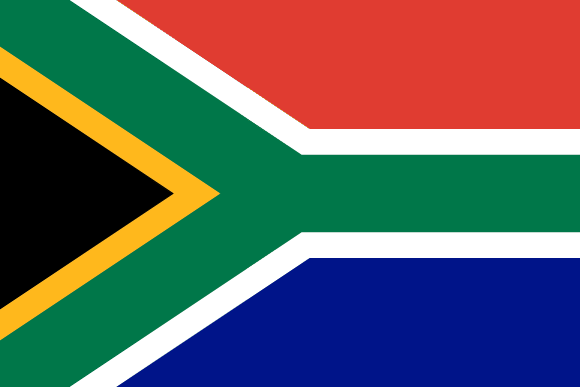
This flag was adopted after the first elections and the end of apartheid in 1994. This is also related to the symbolism of the flag and the letter "Y", which stretches from the left to the right side. It indicates the efforts to bring closer the groups separated for so many years and their common future without conflicts. The variety of colors on the flag stands for the plurality of political and ethnic groups in the country, that is why the flag is sometimes called "rainbow flag".
South Africa
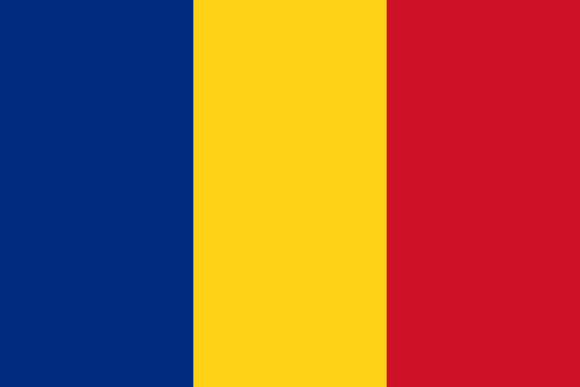
This flag consists of tricolor of vertical stripes - dark blue one, yellow one and red one. These colors, characteristic of Moldavia and Wallachia, appeared in 1834 for the first time. The flag is very similar to the flag of Chad with the difference that Chad´s blue stripe is darker.
Romania
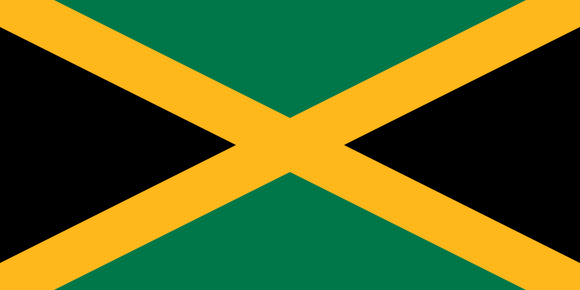
This flag was adopted in 1962, when the country gained independence. The country, which was a British colony for centuries, had a role of center of trade with slaves. After the abolition of slavery in 1838, a violent coup took place and as a result, this country is characterized by social problems and high criminality till nowadays. The flag was chosen in a public tender and it should reflect its turbulent history. Pan-African colors of black, green and yellow were thus situated to the form of Saint Andrew´s Cross and it should express a motto: "Hardships there are but the land is green and the sun shineth". Yellow color represents the sun, black stands for difficulties and green means the land.
Jamaica
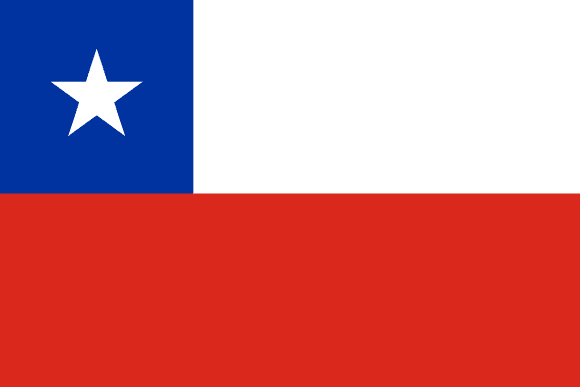
This flag is composed of red and white horizontal stripes, and a blue square with a white five-pointed star in the upper left part of the flag. White should symbolize, like the name of the country itself (Tchili means snow in the local language), the snowy peaks of the Andes. The blue represents the sky beneath which blood was shed during the local struggles for independence. These fights are reminded by the red stripe. The origin of the star is associated with the native peoples - its white color allegedly represents the unity and freedom of the nation, and the five points represent the five original provinces of the country.
Chile
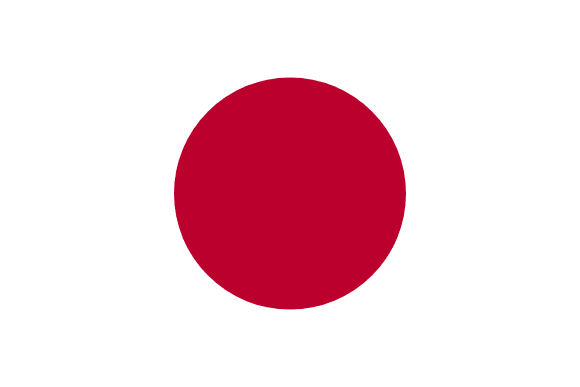
The "Land of the rising sun" can feel proud of its flag, whose symbolism could be tracked back by several millennia. The red circle on a white background indicates a rising sun disc - so called Hinomaru in the country's native language. The cult of sun enjoyed great attention there, and its emperors were said to be the descendants of a sun goddess Amaterasu.
Japan

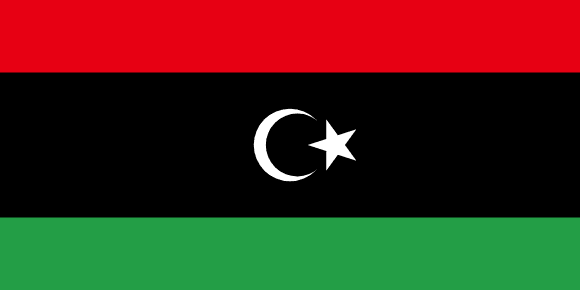
The current flag thus consists of three horizontal stripes, where the top one is red, the middle one is wider and black and the bottom one is green. In the middle of the black bar, a white crescent and a five-pointed star are placed. Each of the bars represents one region of the country and the crescent with the star are traditional symbols of Islam.
Libya
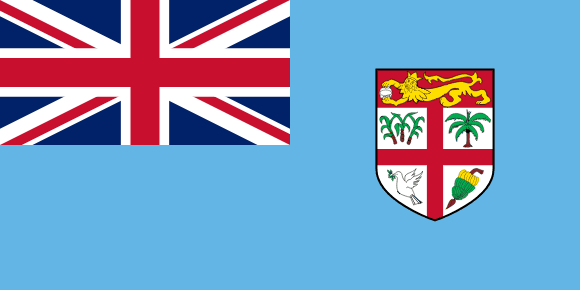
The flag was adopted after gaining independence from British rule in 1970 and it consists of a pale blue leaf and a miniature of Union Jack flag in the upper left field. In addition, the flag bears national coat of arms where a yellow lion holding a cocoa bean and St. George's Cross are depicted. The resulting fields bear pictures of sugarcane, coconut palm, white turtledove carrying an olive branch in its beak, and bunch of bananas. These are typical commodities of the country. The light blue color of the leaf remind the viewer that the Pacific Ocean surrounds the islands.
Fiji
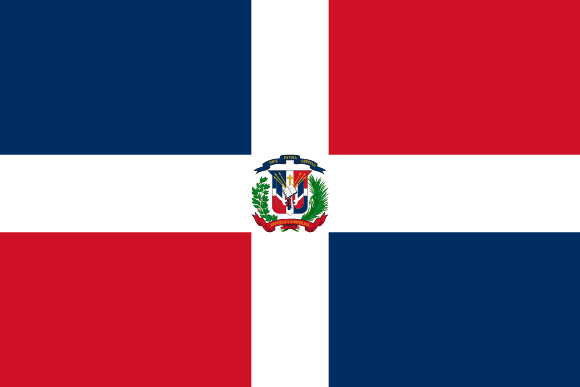
This country shares the island Hispaniola with the state of Haiti. The entire island was under Spanish rule until 1804, when the French founded Haiti in the western third of the island. It achieved independence in 1844. Its flag is composed of relatively large white cross that divides the flag into four fields. Upper left field and the field along the diagonal line have blue color. The remaining two fields are red. In the middle of the cross, there is a coat of arms, which depicts a shield supported by palm and olive branch bearing an inscription: Dios, Patria, Liberta, translated as "God, country, freedom."
Dominican Republic
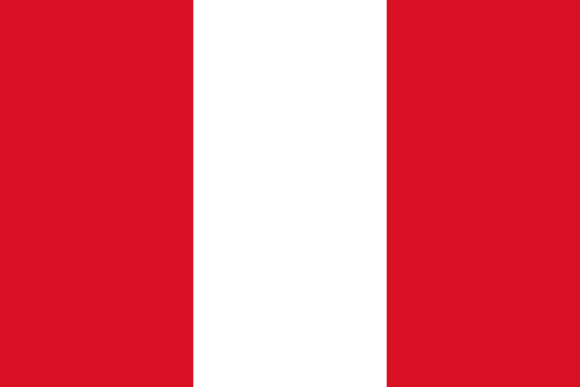
This flag consists of three horizontal stripes, where the side ones are red and the middle one is white. In the center of the white stripe, a shield taken from the national character that was designed before 1825 by José Georgiou Parades is placed. The shield is divided into three fields, where the first one depicts vicuna - a national animal of this country belonging to the same family as camel does. Next to vicuna, there is a portrait of cinchona tree, from which alkaloid quinine, which is used to cure malaria, is extracted. At the bottom of the coat of arms, a horn full of coins that should point to the mineral wealth of the country is displayed.
Peru
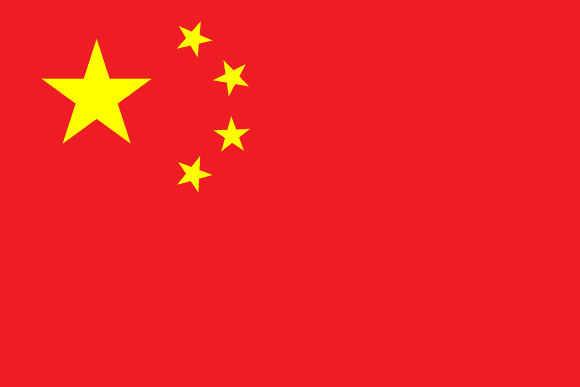
The dominant color of the flag is red, which is this country's traditional color and also is characteristic of communism and revolutionary moods. In the left part of the flag, we can find one large and four small stars, whose symbolism can be interpreted in many different ways.
China
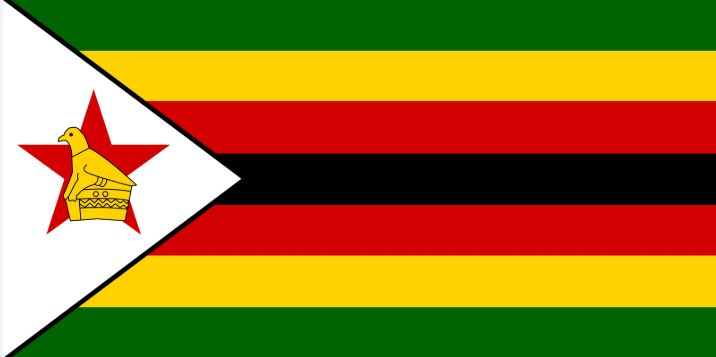
This flag was adopted in 1980 and it is composed of seven horizontal stripes. The color sequence is axially symmetrical about the middle black stripe. Coming from the black stripe, there are red, yellow and green stripes. On the left side of the flag, a white wedge that carries a symbol of bird carved in soapstone in the red five-pointed star is placed. The colors were inspired by another organization's flag,which pushed for gaining independence of the former Rhodesia from Great Britain. The star recalls the origins of socialism in the country and the symbolism of colors is as follows: black represents the African population, the red blood shed during the struggle for independence, yellow mineral wealth and green fruitful landscape. White color traditionally symbolizes peace.
Zimbabwe
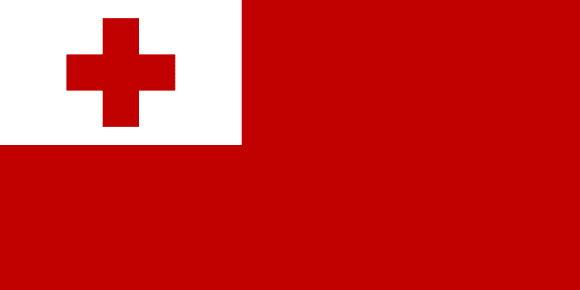
The current flag is composed of a red leaf and white rectangle in the upper left corner. In the white rectangle, a red isosceles rectangular cross is placed. The cross is supposed to symbolize the Christian faith of the country's inhabitants and red color stands for the Jesus Christ´s blood. Until 1970, this country was under British rule, and then the archipelago has become a member of the Commonwealth of Nations.
Tonga