History
Atomic Structure
Isotopes
Radioactivity
100
Earliest recorded reference to atomic theory is attributed to this philosopher.
Democritus
100
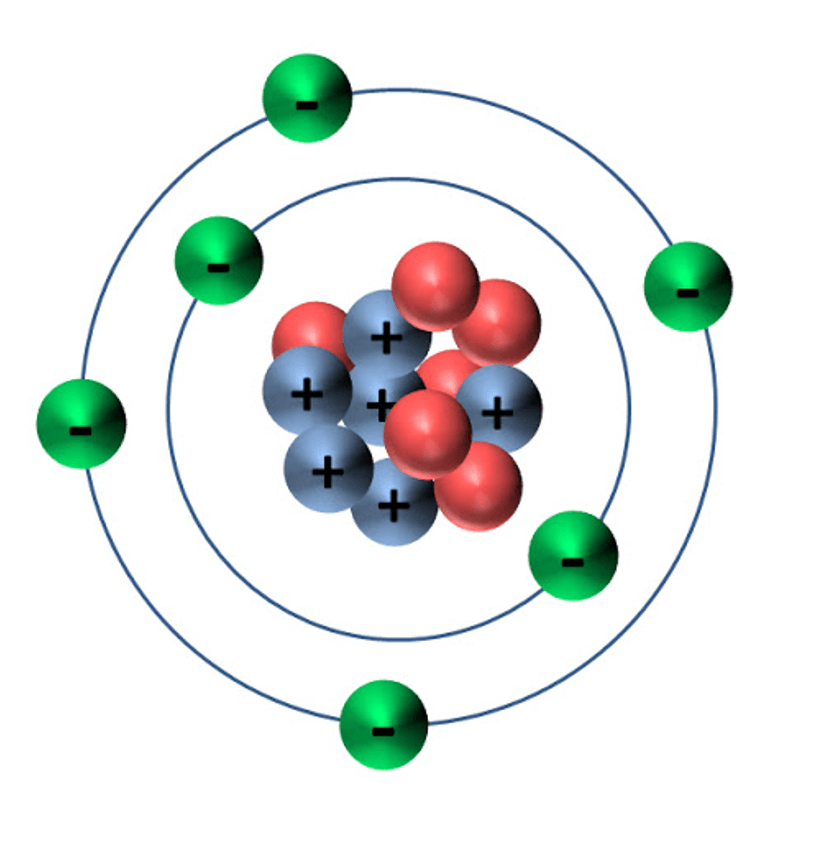
the atom is composed of these three particles
protons, neutrons, electrons
100
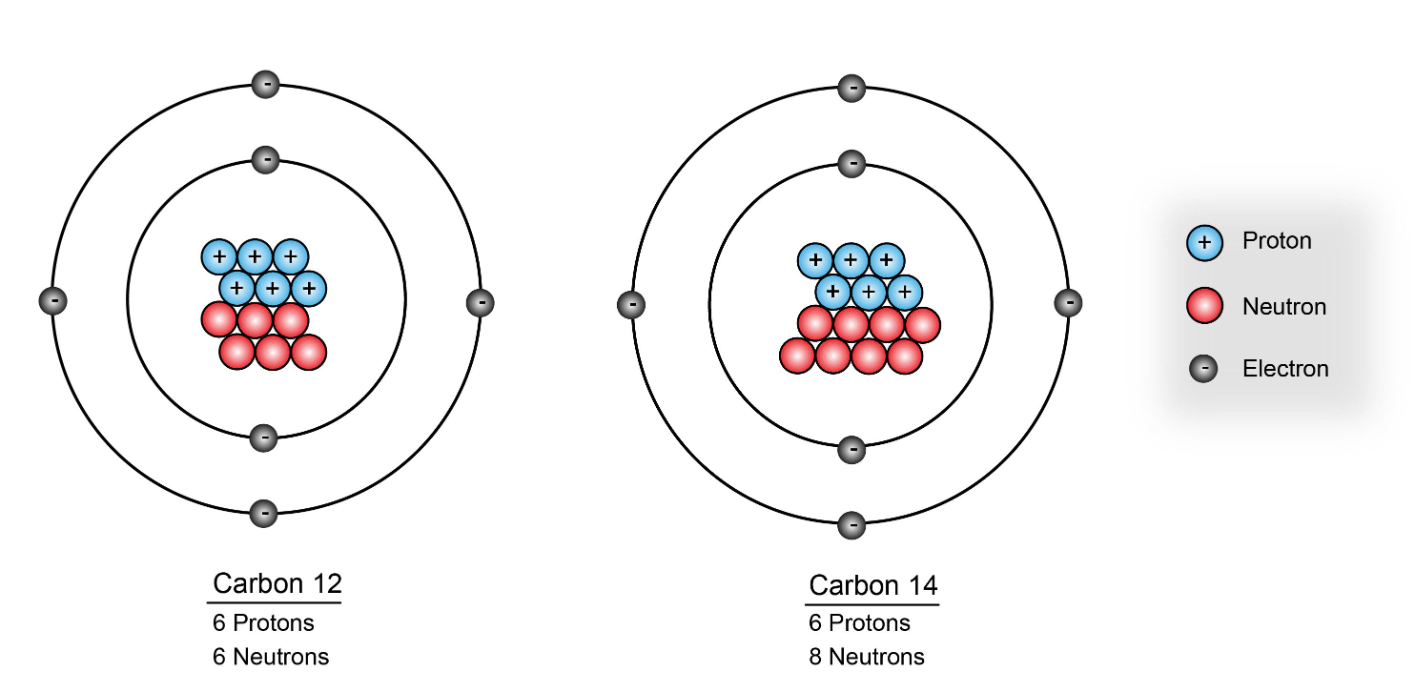
Isotopes are considered to be the SAME element.
(You get one shot)
True
100
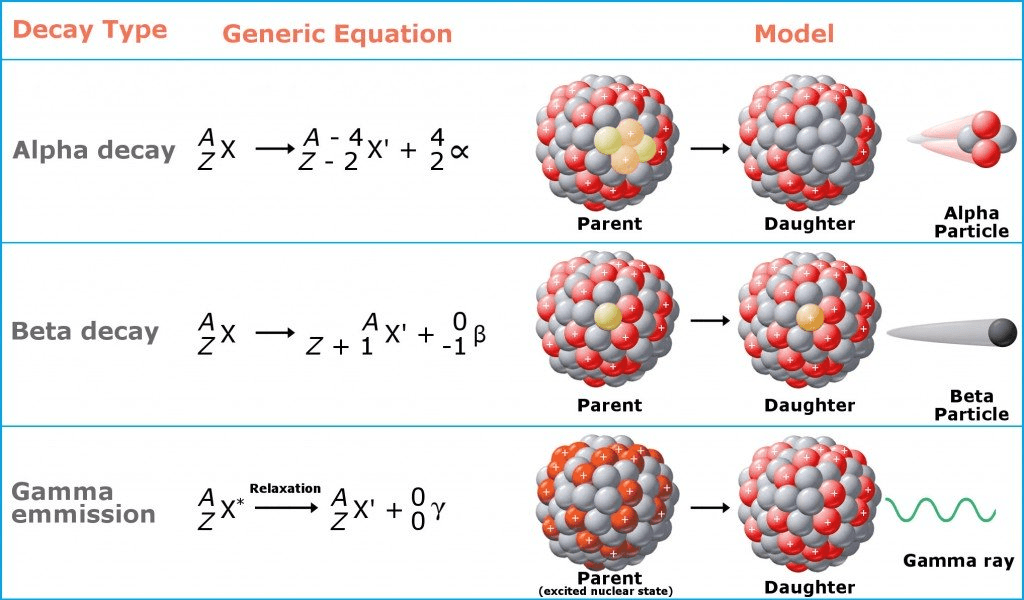
the spontaneous emission of rays or particles from the nucleus of an atom.
nuclear/radioactive decay
or radioactivity
200
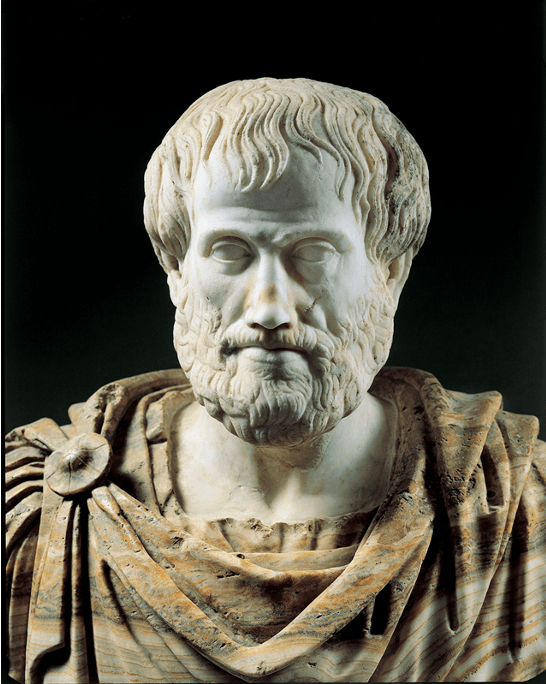
He believed that matter was made of earth, water, air, fire, and aether.
Aristotle
200
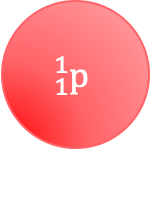
These subatomic particles are positively charged
protons
200
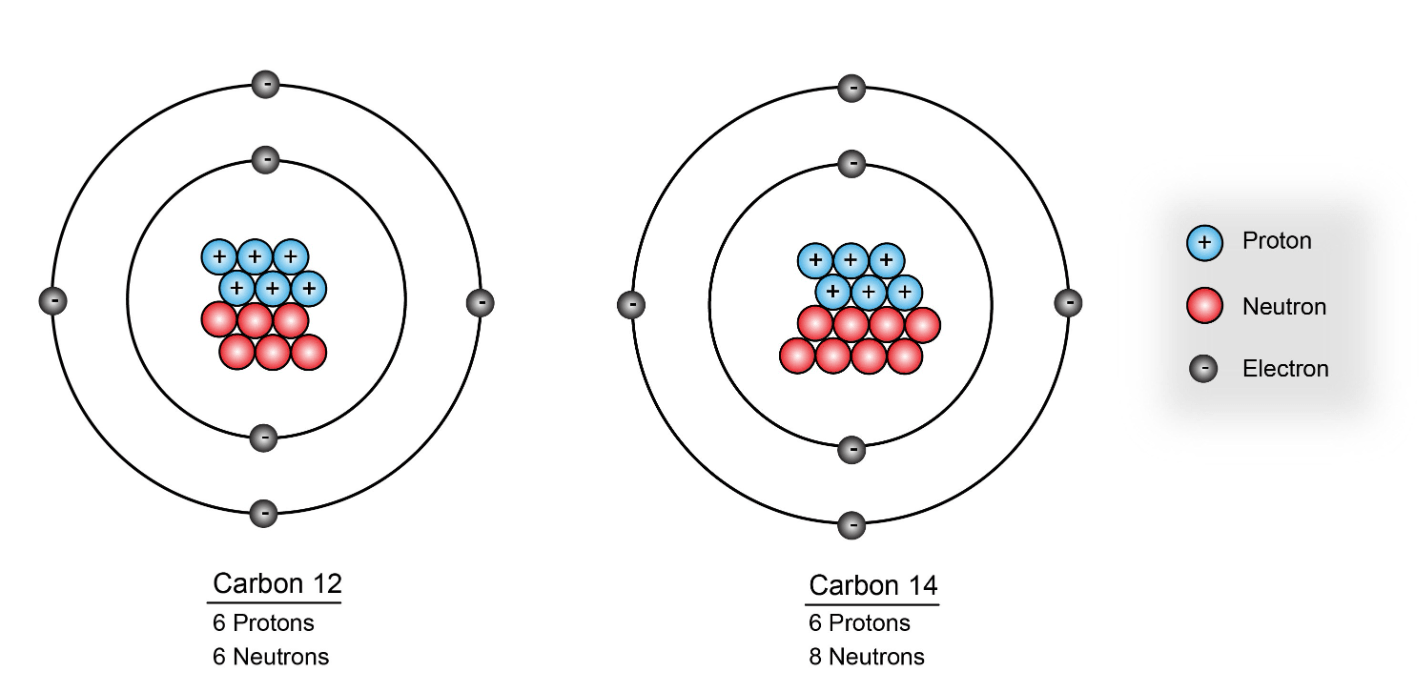
Mass number represents...
#protons + #neutrons
200
This radiation requires at least 4 meters of lead to block.
gamma radiation
300
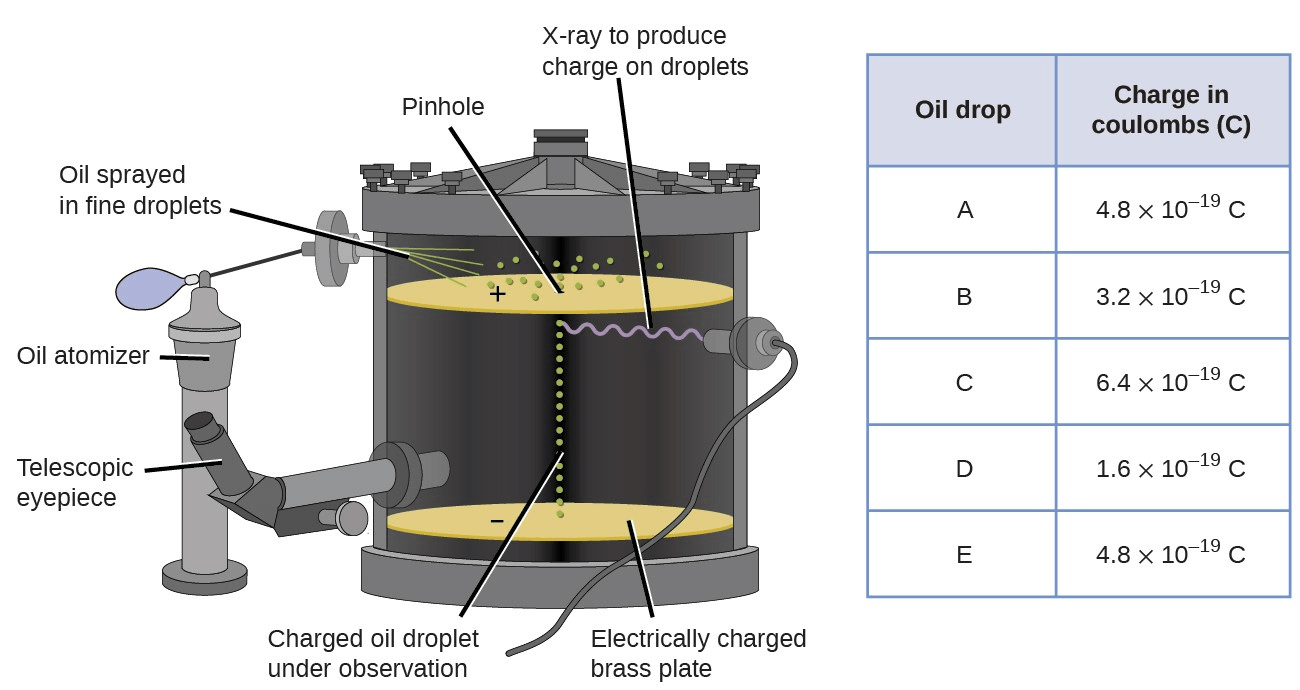
This experiment determined the mass and charge of an electron.
Oil drop experiment
300
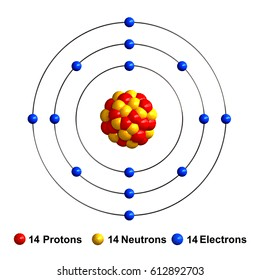
Over 99% of an atom's mass is located here.
core/nucleus
300
In isotope notation, the superscript at the top left of the symbol represents __.
mass number
300
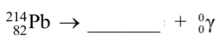
Which type of radioactive decay does not produce a different element?
gamma decay
400
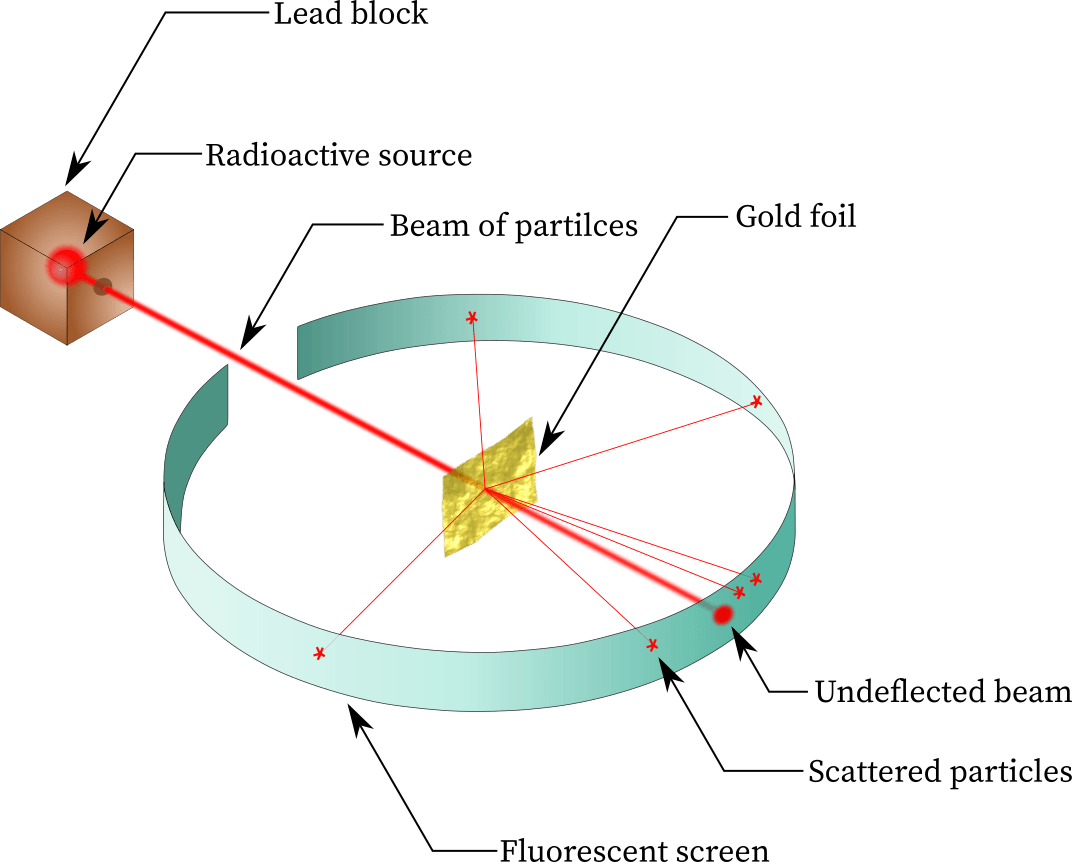
This experiment proved that an atom is mostly empty space with a dense positively charged core.
Gold foil experiment
400
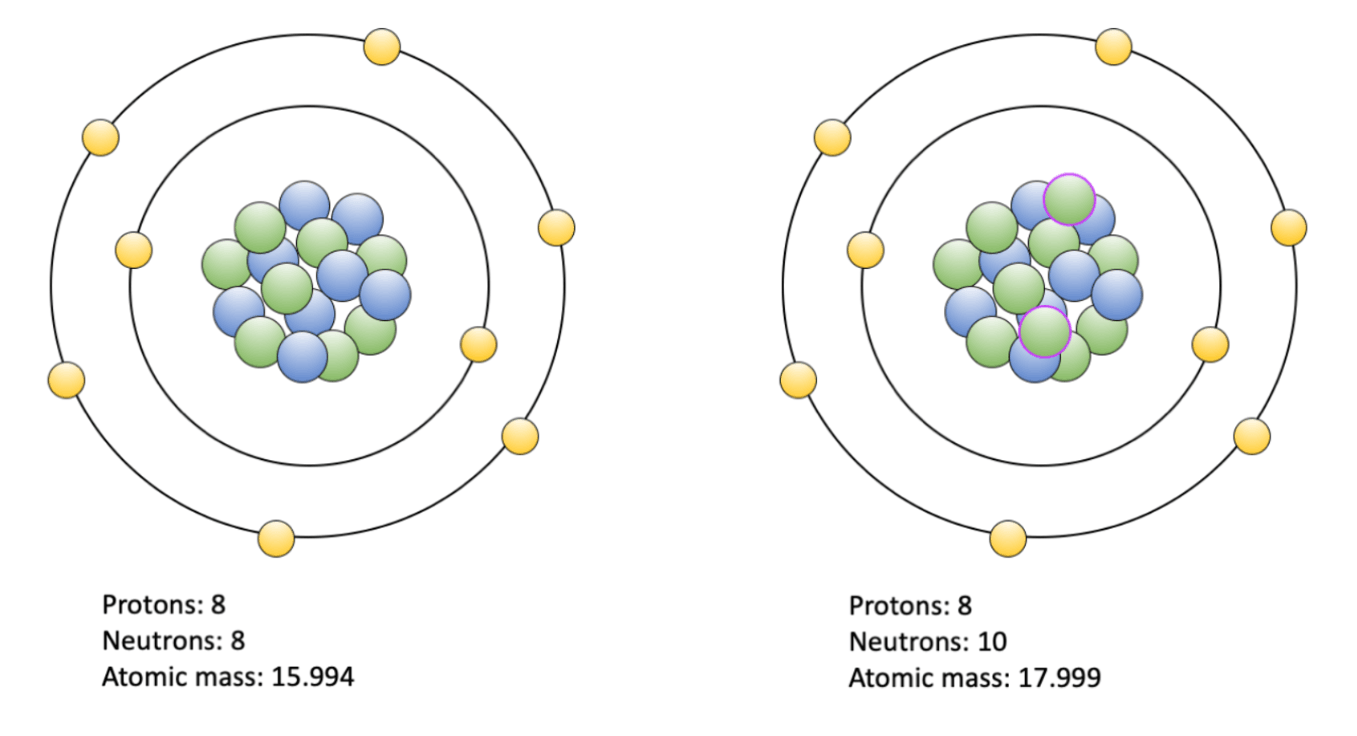
Atoms that possess the the same number of protons, but a different number of neutrons.
isotopes
400
Quantifies the occurrence of a particular isotope in nature. (Typically written as a percent)
relative/natural/percent abundance
400
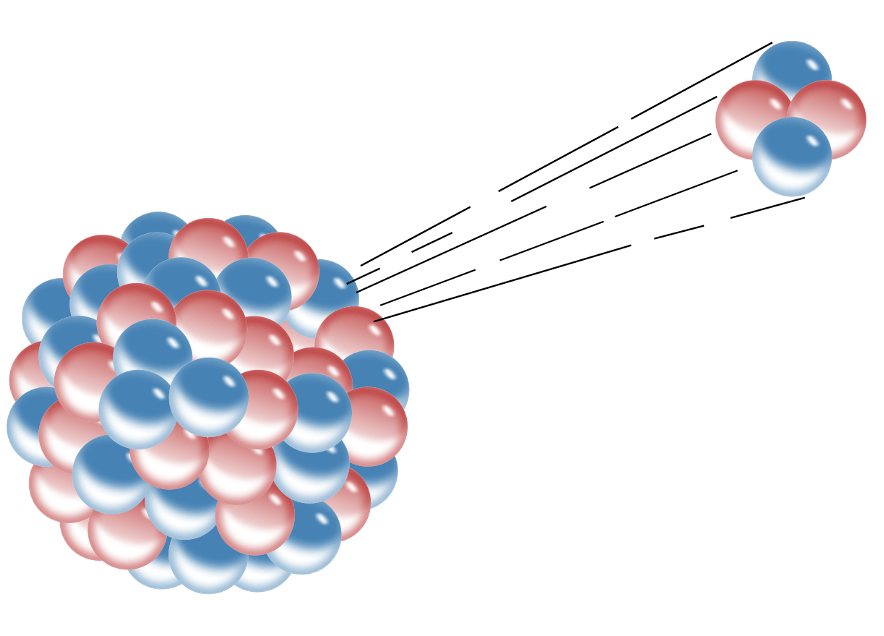
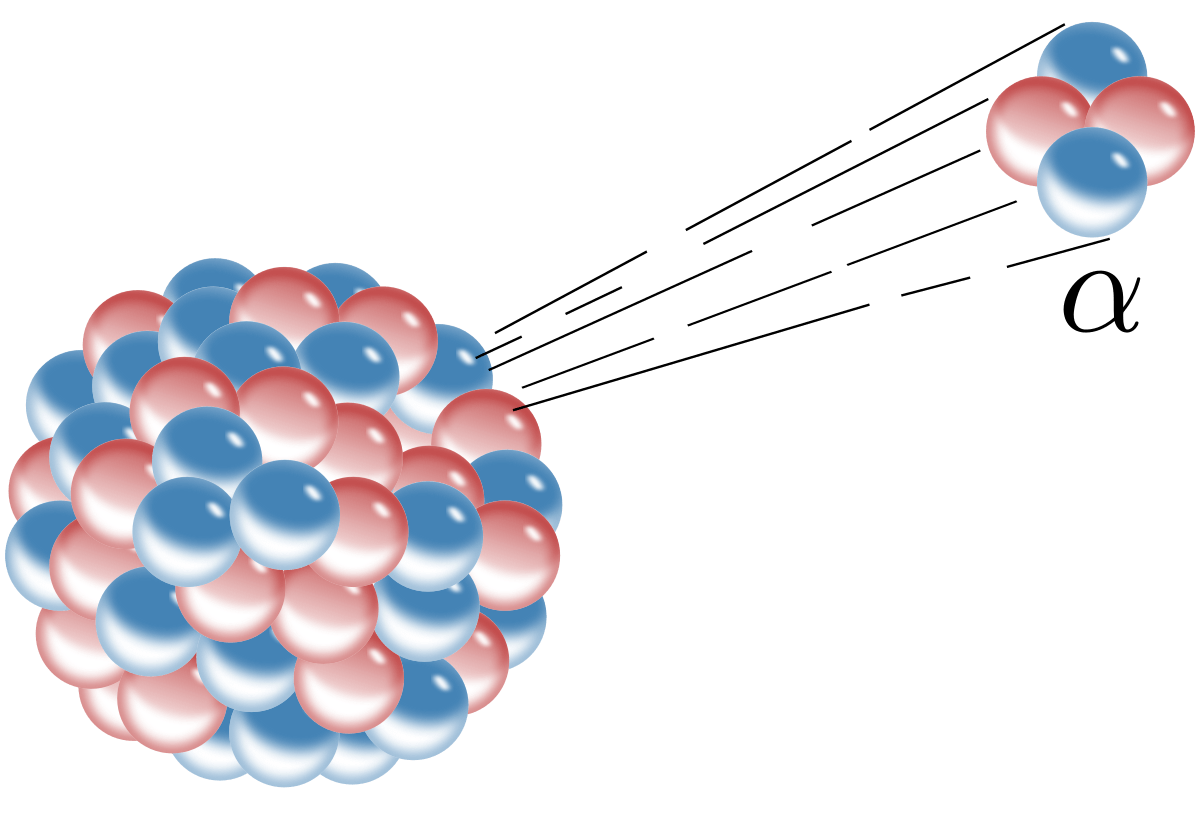
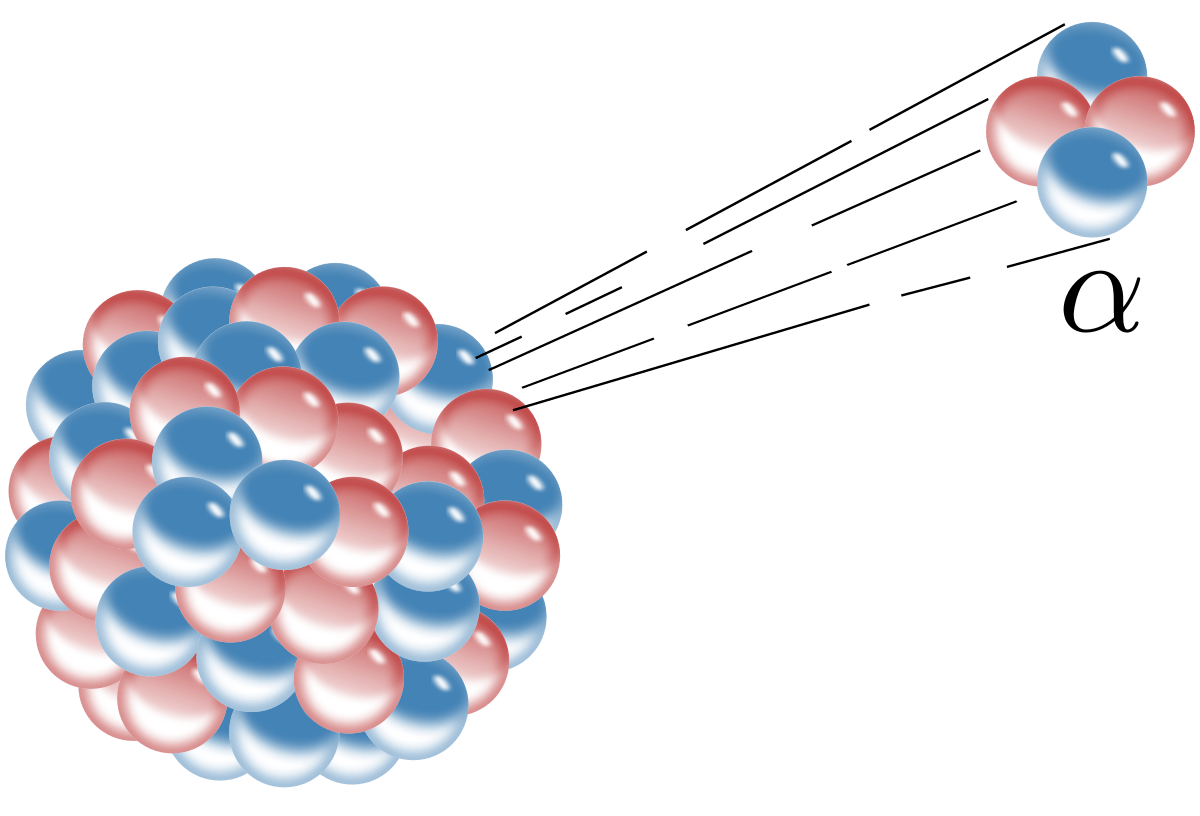
The process of emitting a He2+ ion
alpha decay
500
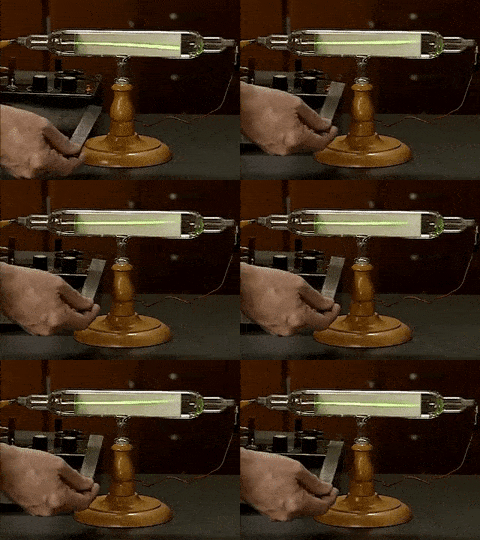
William Crookes famously discovered "negatively charged particles" using what instrument?
cathode ray tube
500
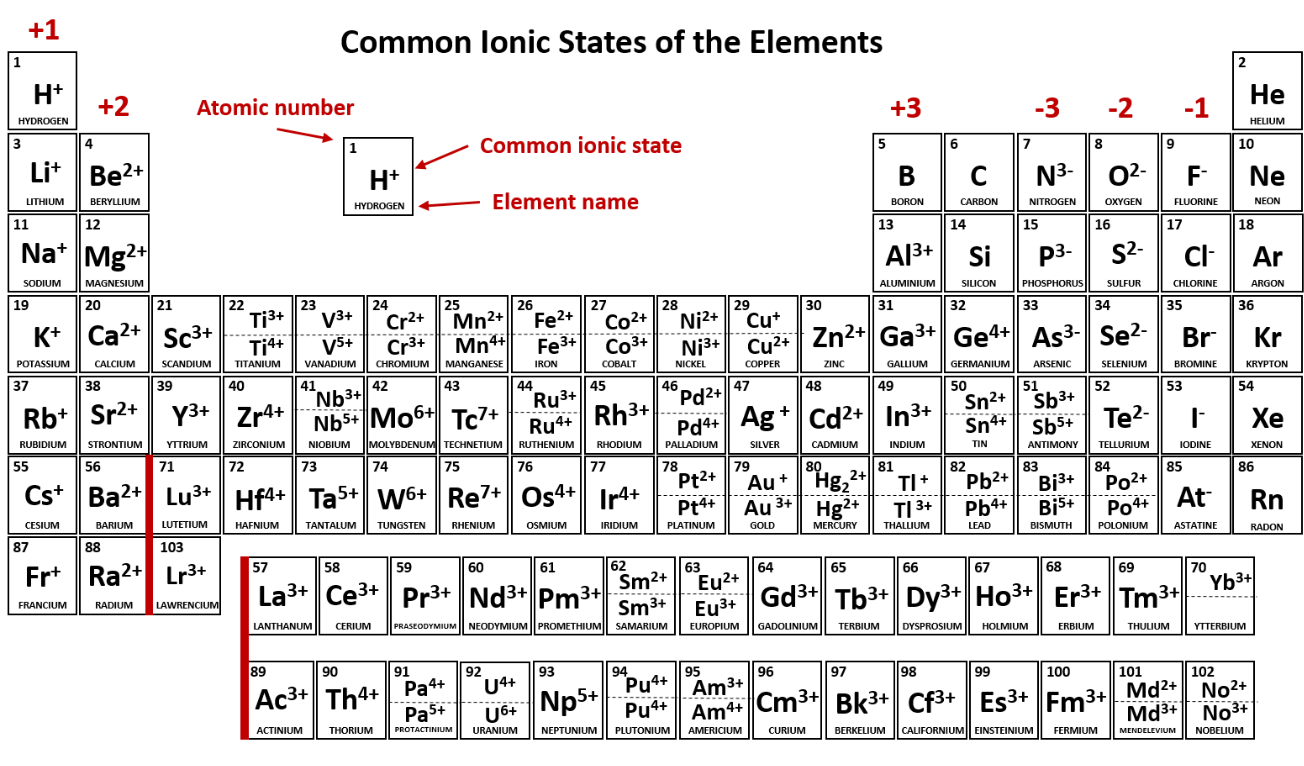
If an atom loses or gains electrons, then it is referred to as an ___.
ion
500
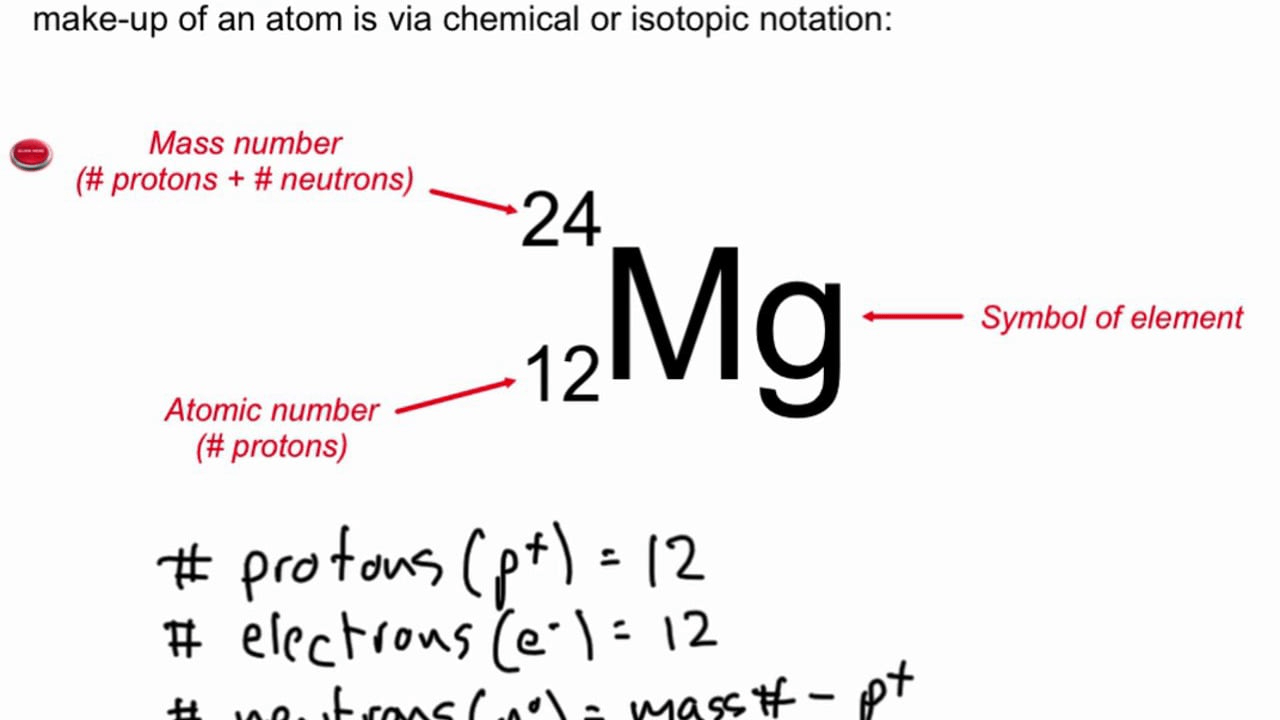
what does the number 14 represent in "nitrogen-14"?
mass number
500
This type of radiation is deflected toward a positively charged plate.
beta particle
600
What particle was used by Rutherford to investigate the structure of gold atoms.
alpha particle
600
The lightest subatomic particle, weighing ~2000 times less than the others.
electron
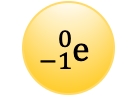
600
An element has two isotopes (A and B) with masses 12 and 13 amu, respectively. The average atomic mass of the element is 12.10 amu.
Which isotope of the element has the higher abundance?
isotope A
600
Whats happens to the nucleus of an atom after beta decay?
neutron converted to proton 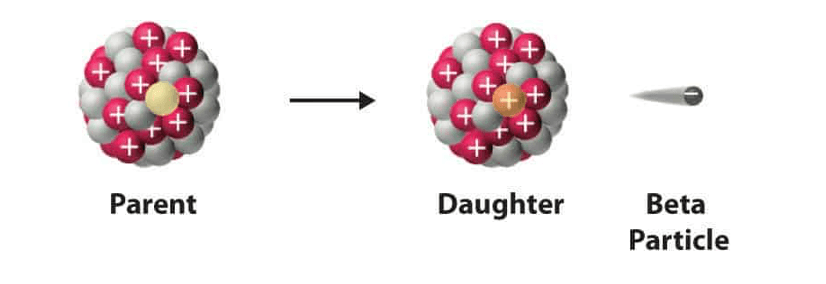
800
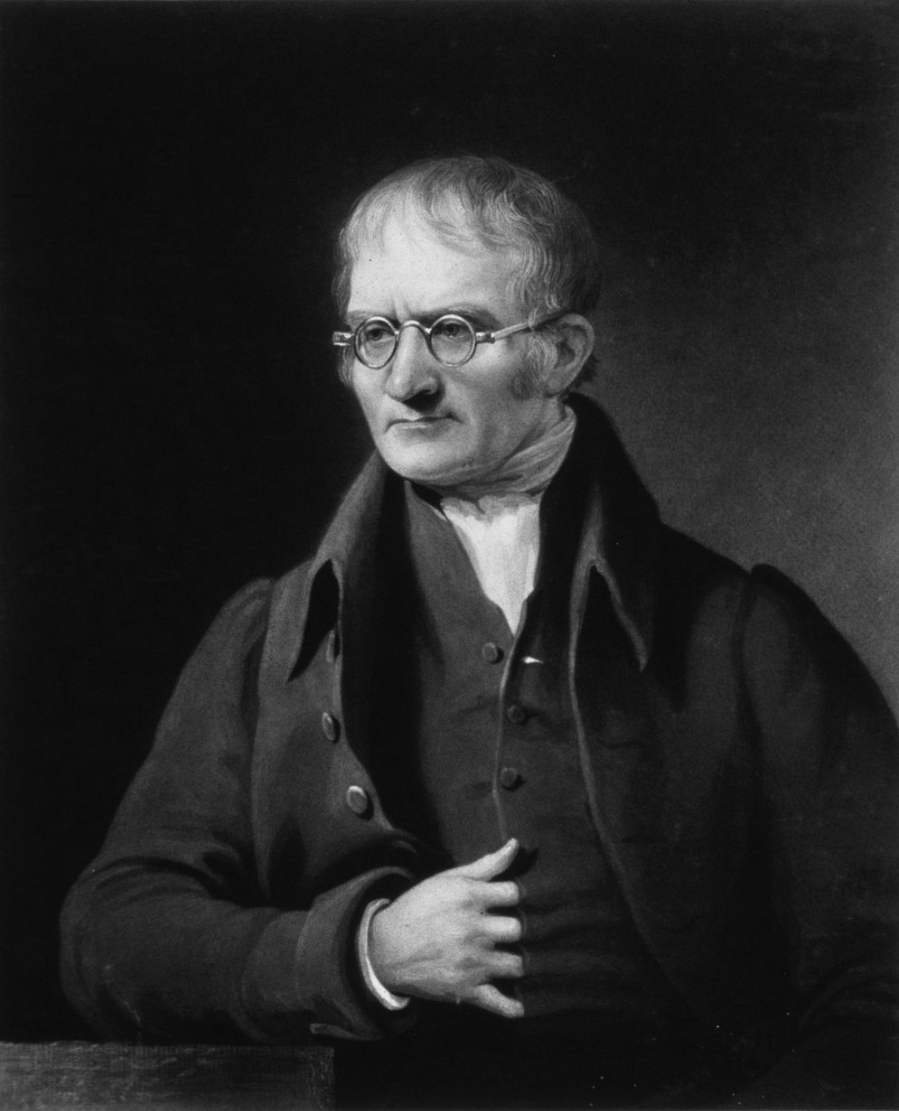
was the first to experimentally show that matter is made of what?
Dalton
800
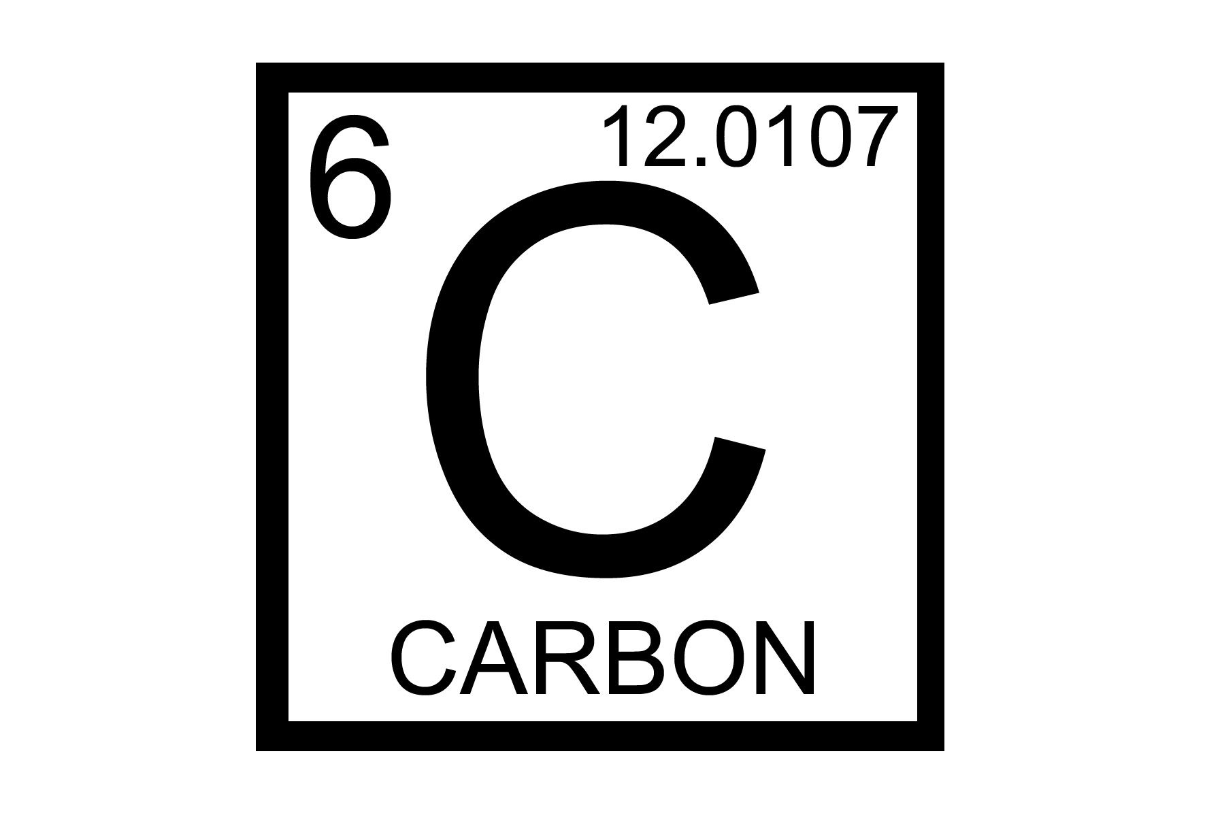
Atomic number represents what?
number of protons
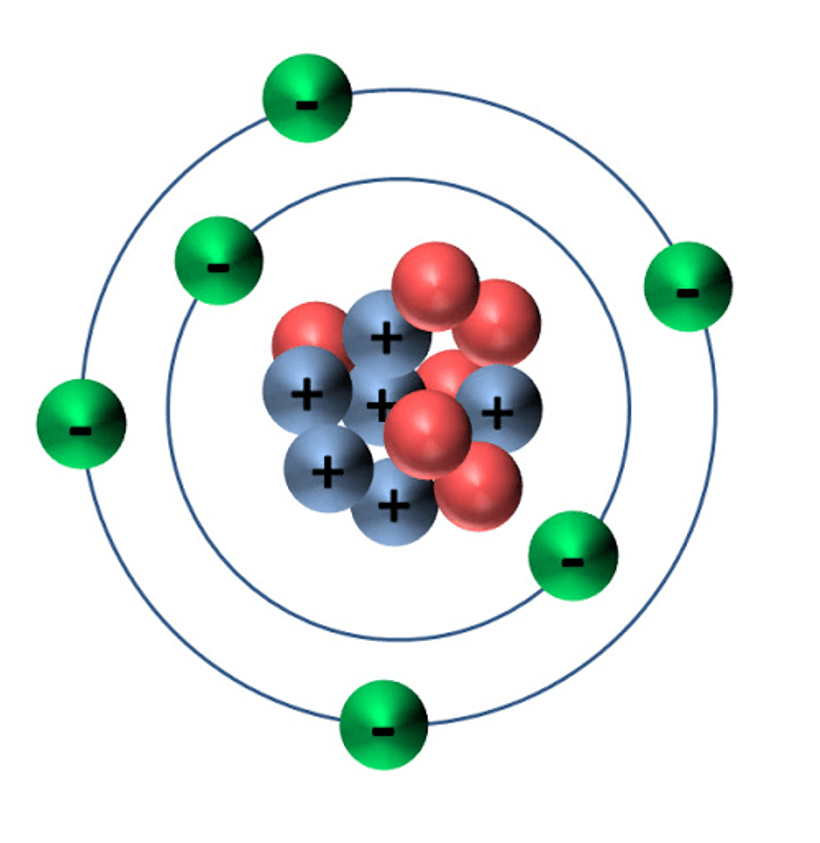
800
What determines the identity of an element?
#protons
800
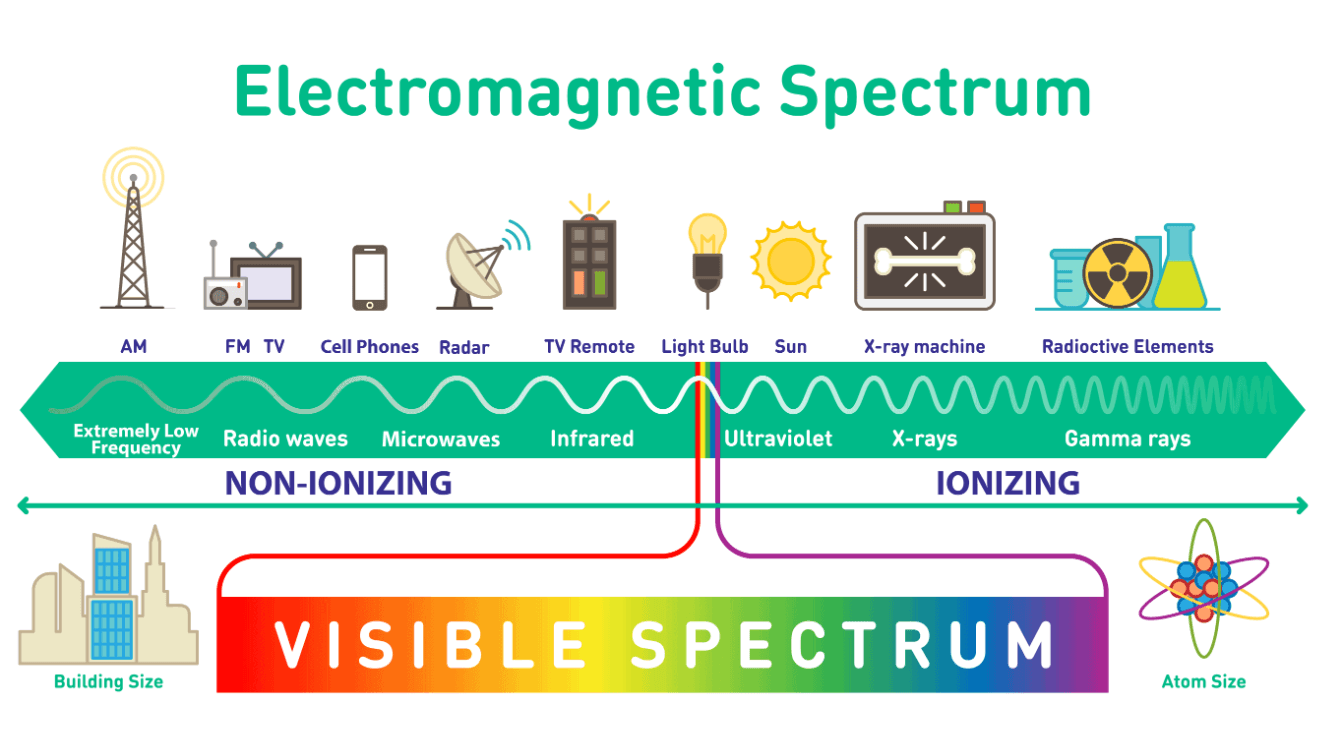
Which radiation is the most harmful?
gamma radiation
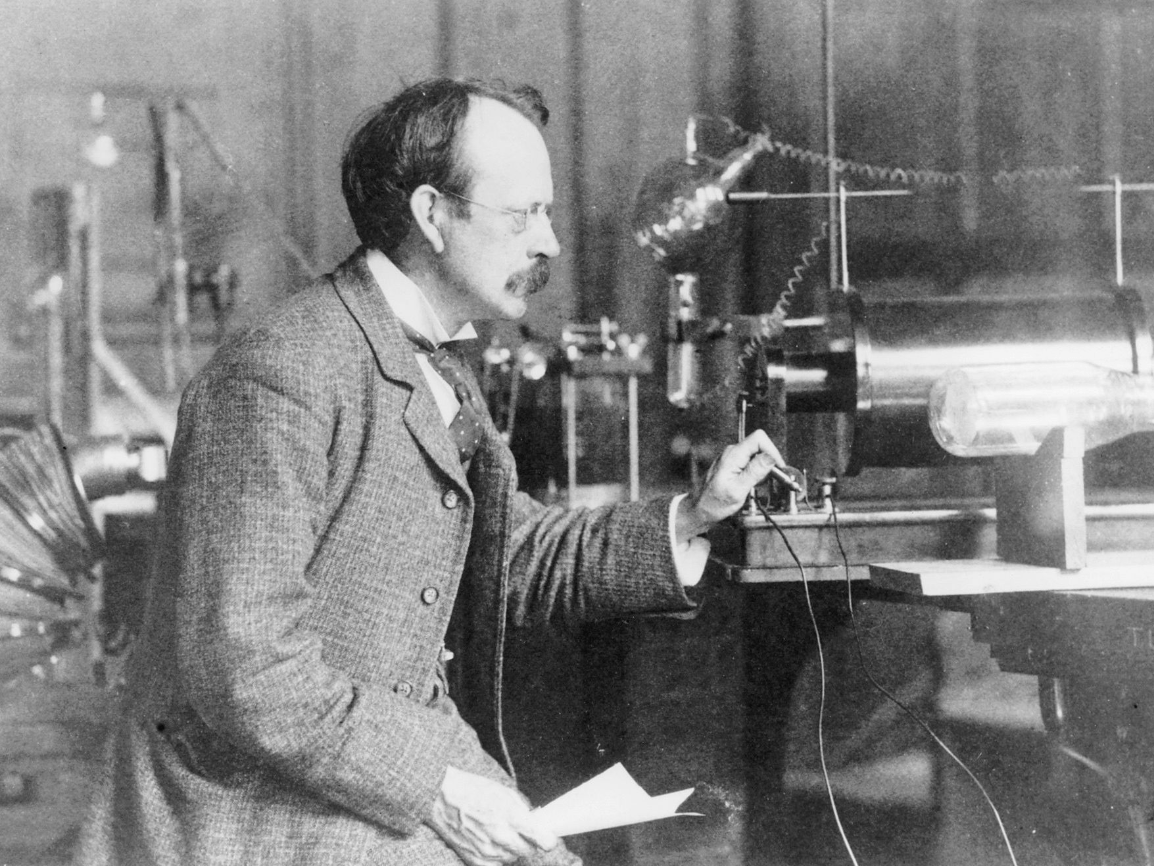
1000
Discovered the electron and proposed the obsolete plum pudding model of the atom.
J.J. Thomson
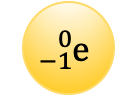
1000
Negatively charged particles
electrons
1000
Generally, the number of protons in an atom is ___ the number of neutrons
equal to
1000
Thin sheet of paper can block this
alpha particle
1100
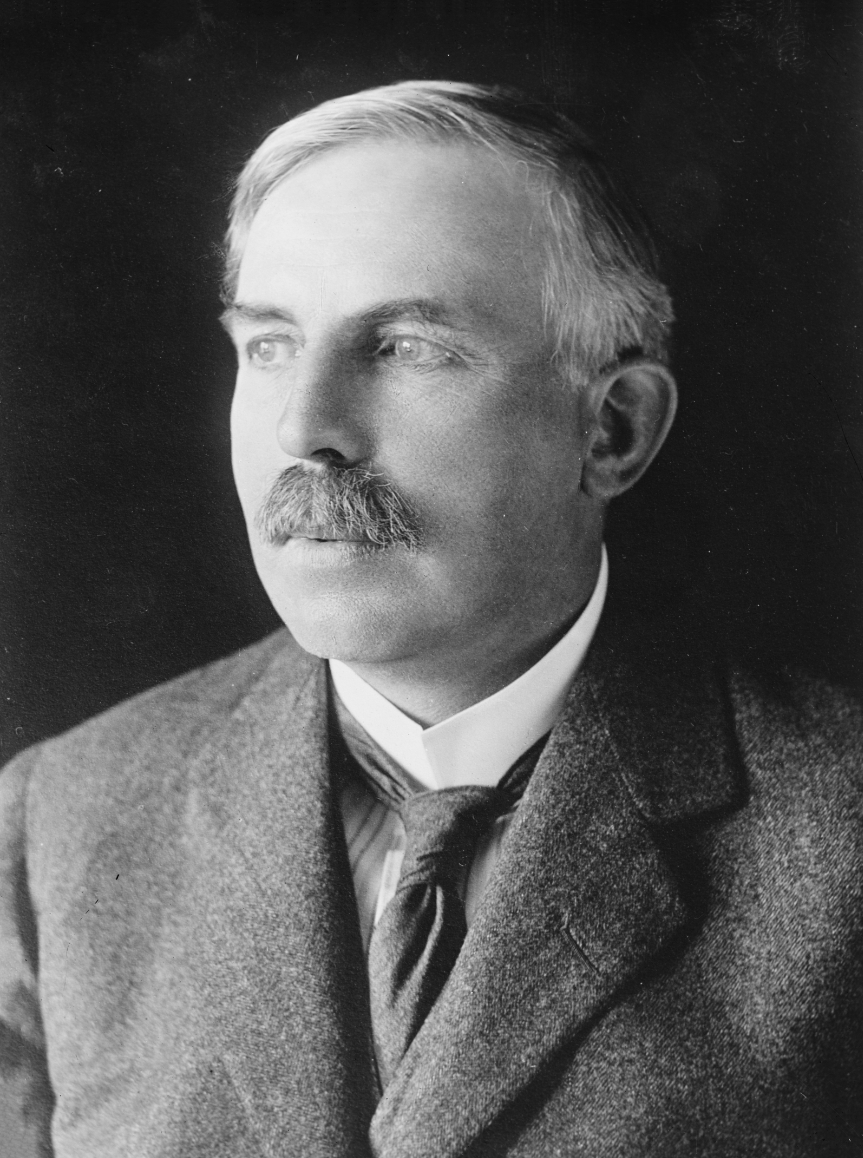
Discovered that the mass and positive charge of atoms is concentrated at the center (in the nucleus).
1100
What is the mass number of carbon-12
carbon-12
mass number = 12
1100
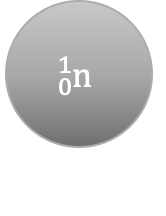
This subatomic particles is neutral in its charge.
neutron
1100
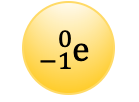
At least a thin plate of aluminum is required to block this type of radioactive decay.
beta decay
1200
Determined the mass and charge of an electron.
Millikan
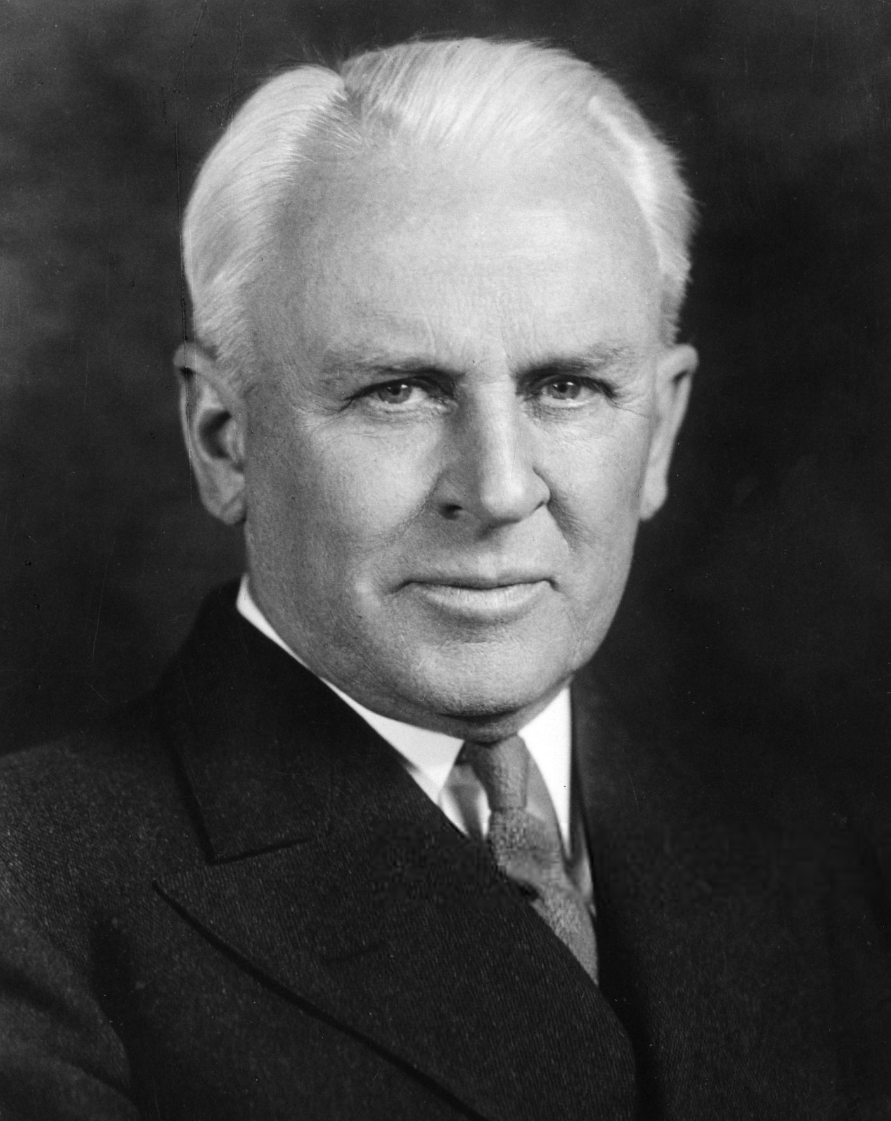
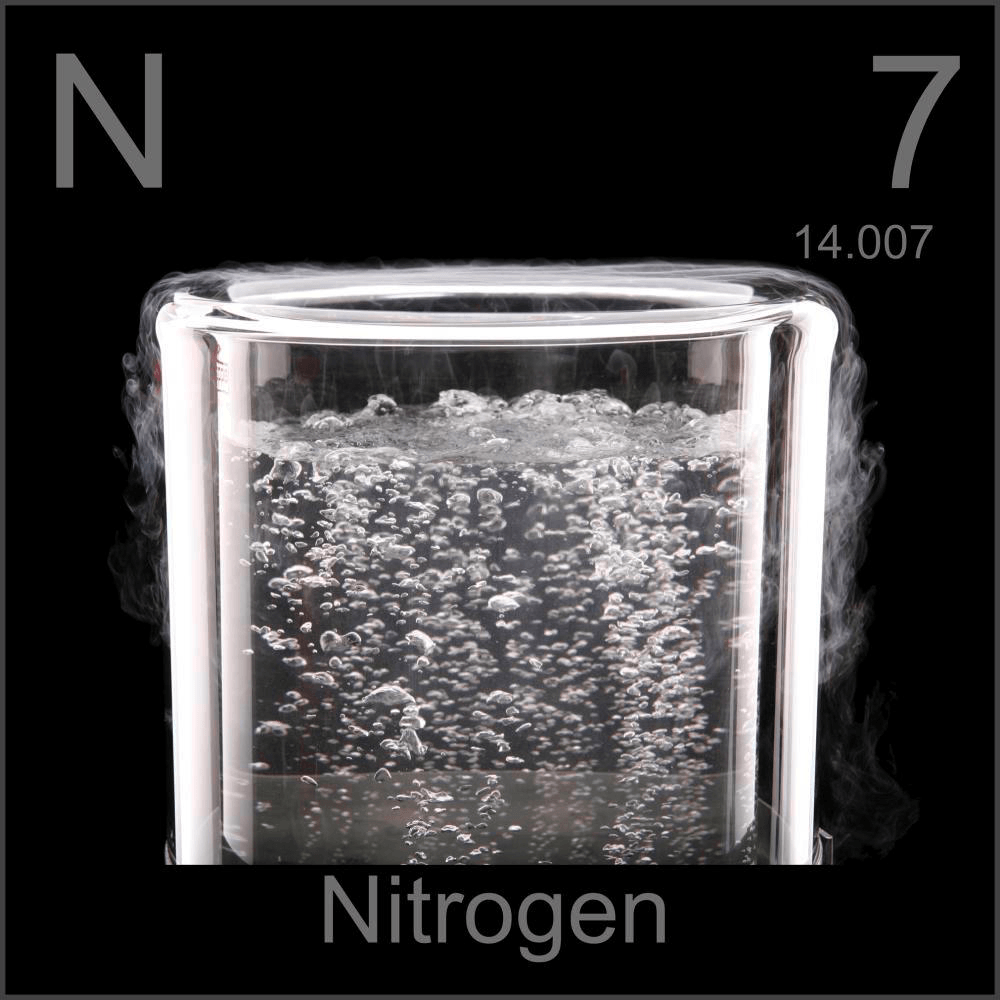
1200
What element has an atomic number of 7
nitrogen
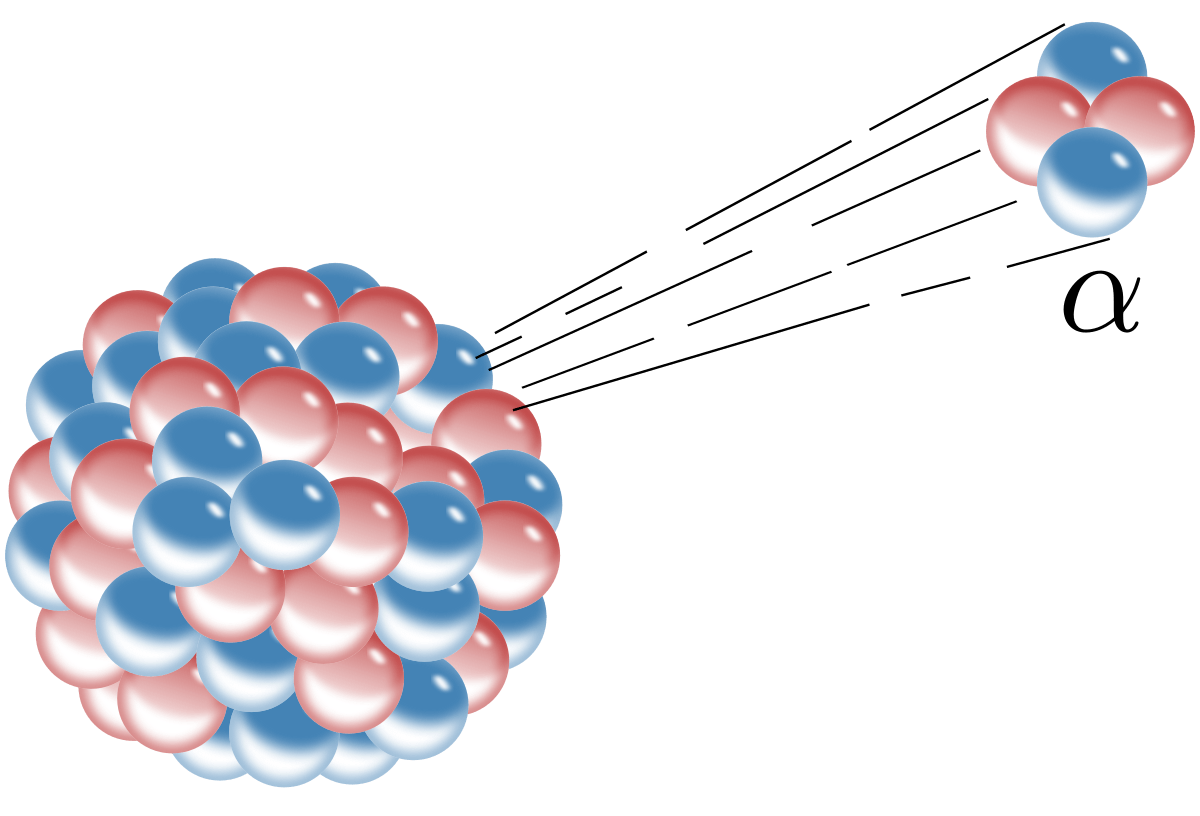
1200
Too many extra neutrons will cause an atom to become __.
unstable
1200
Type of radiation that is not effected by electric field from charged plates.
gamma rays
1200
What early model of the atom is this?
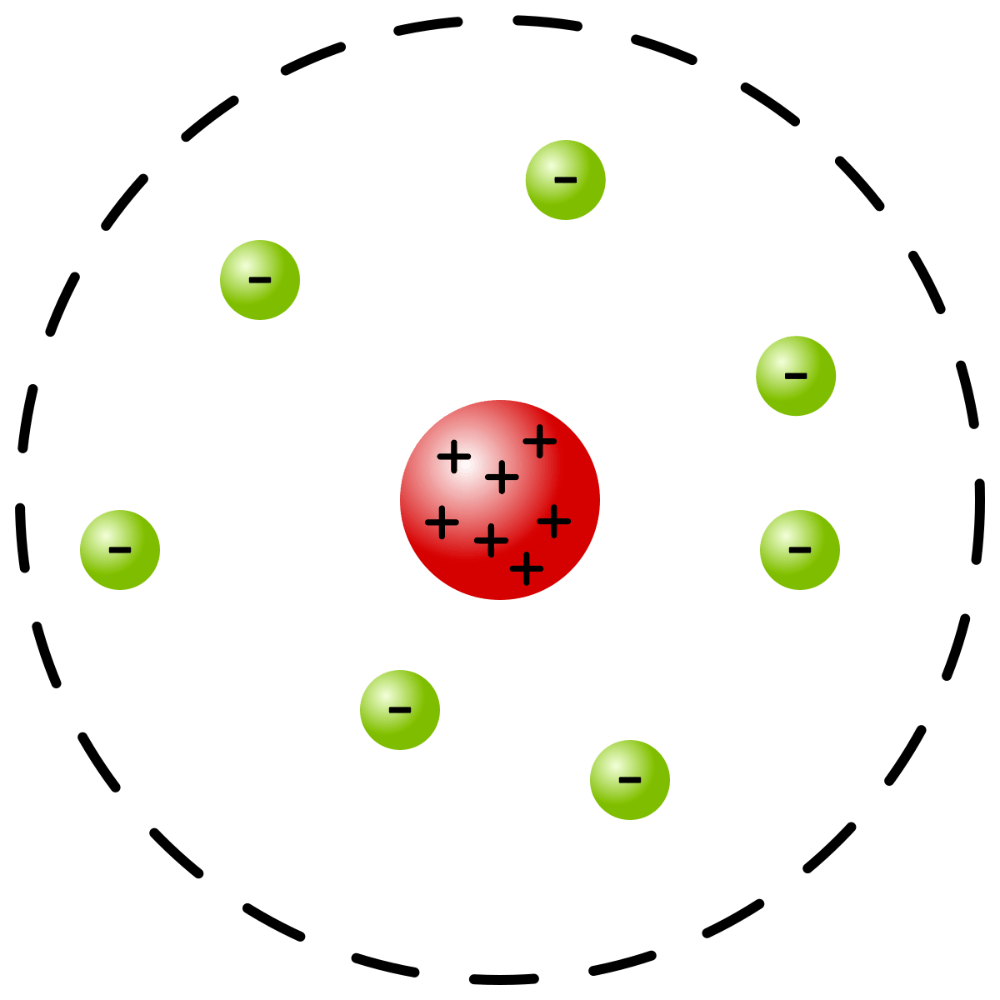
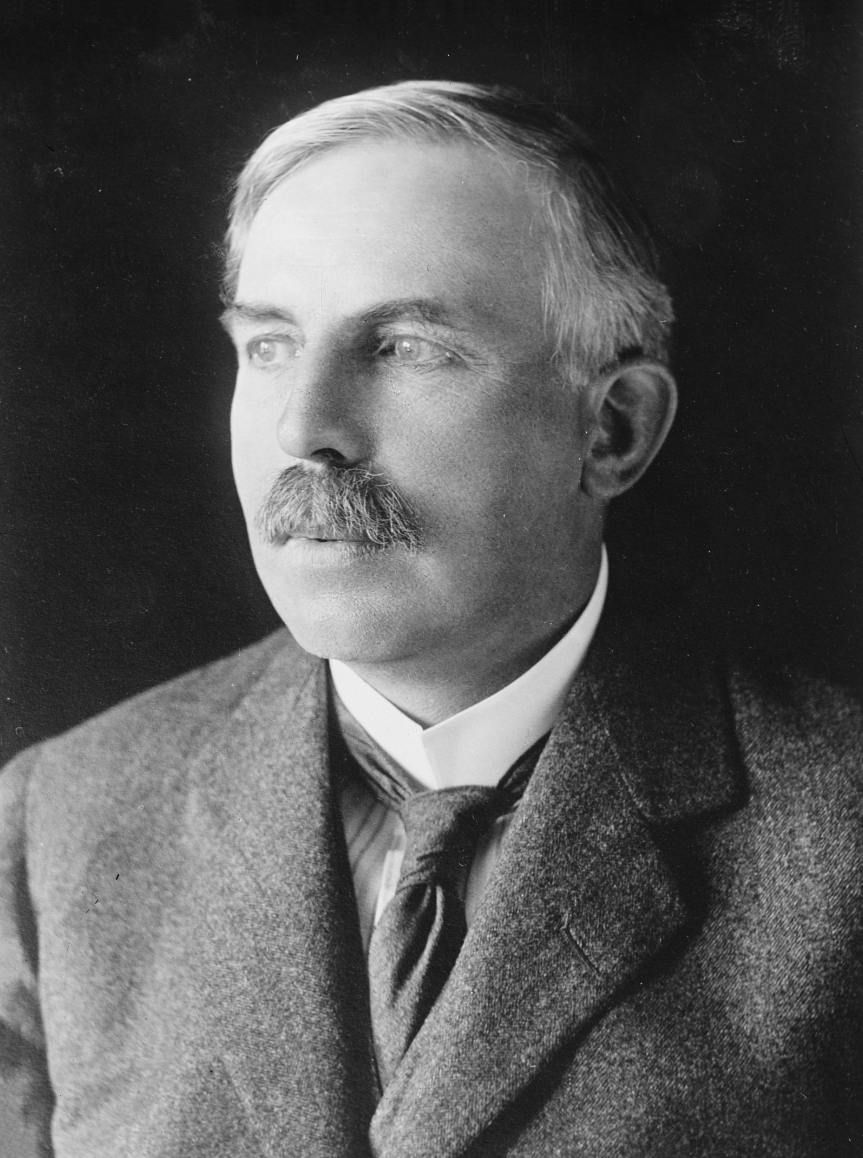
Rutherford's model
1200
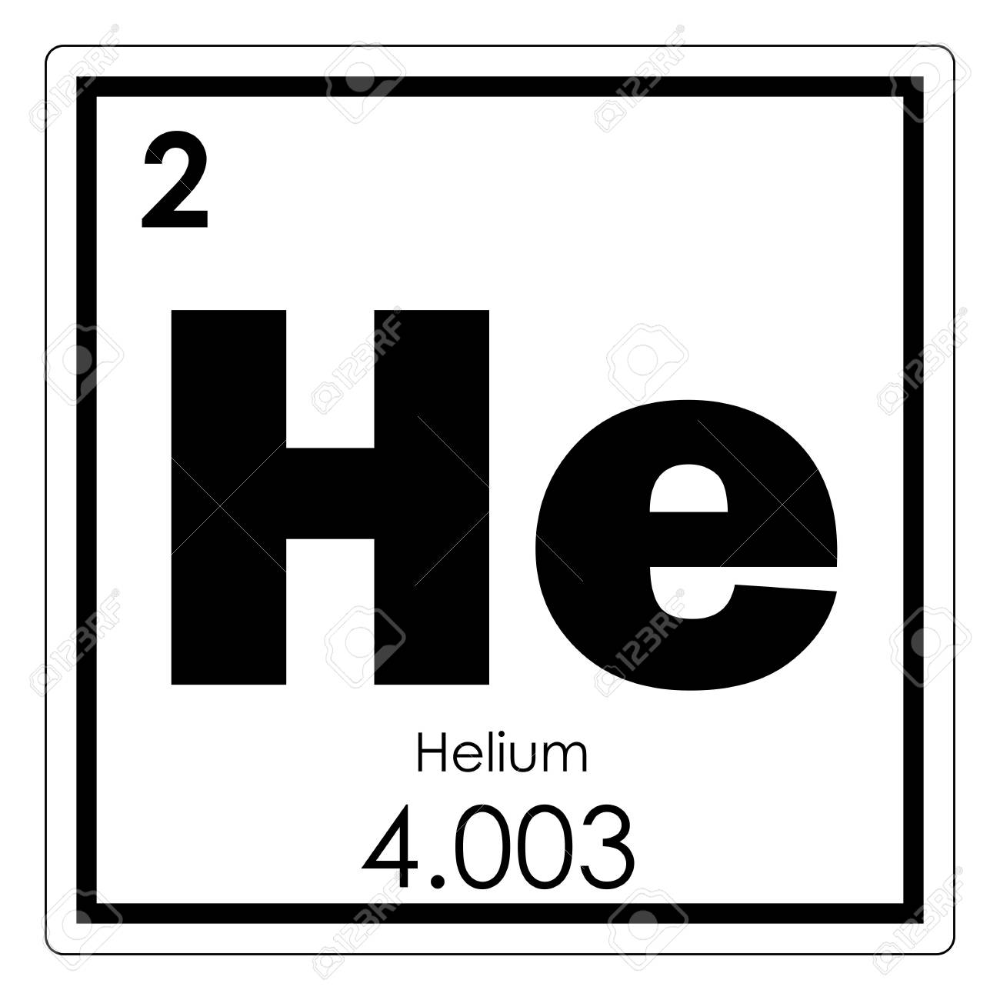
What element is this?
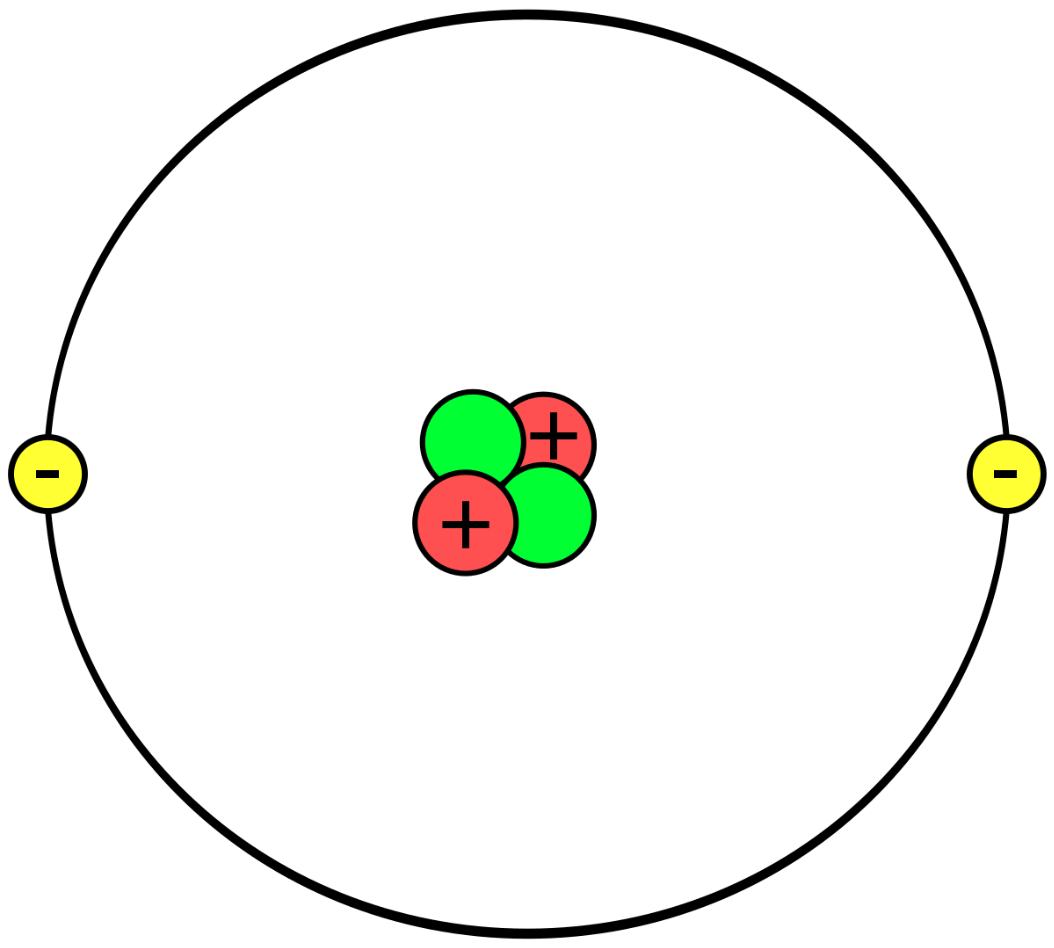
Helium
1200
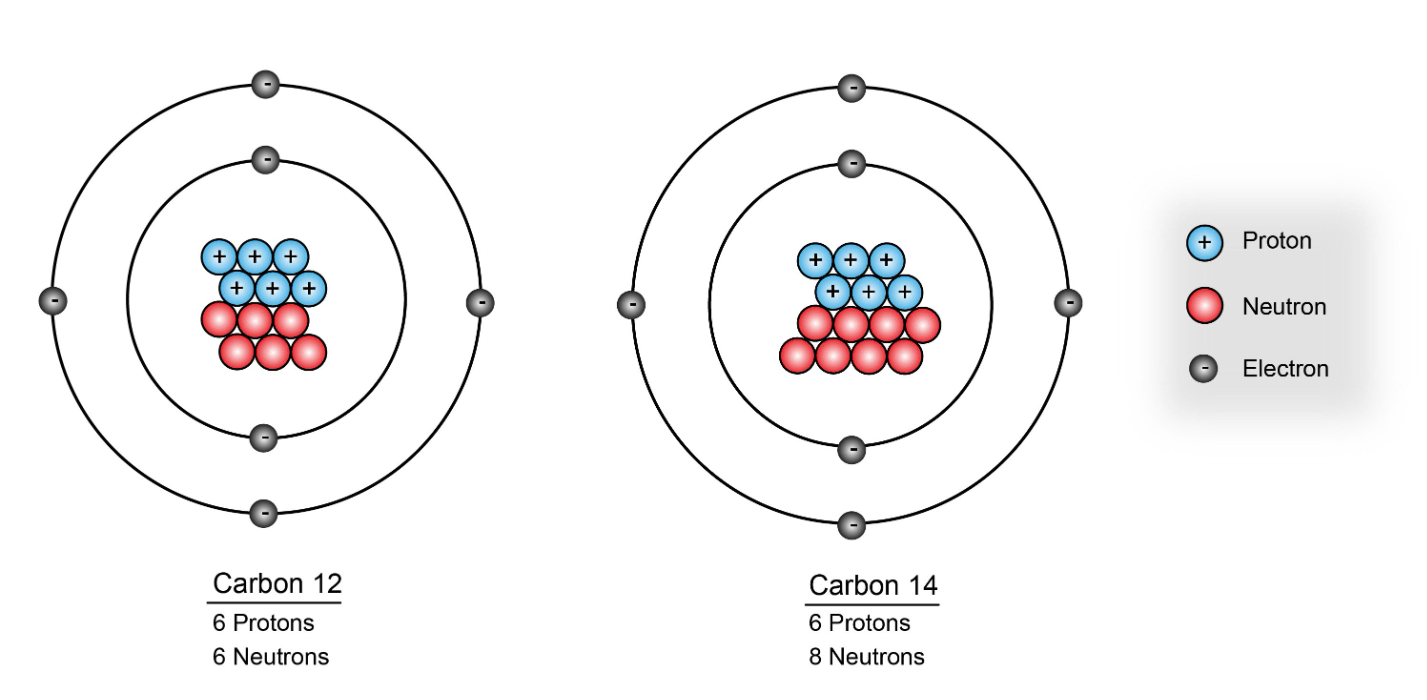
How many neutrons are in an element with 6 protons and a mass number of 14
8 neutrons
1200
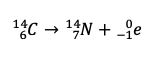
What type of radiation is produced?
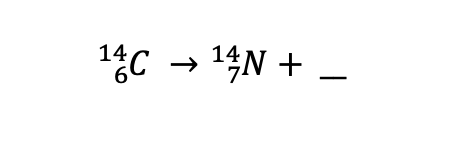
Beta particle
2000
Dalton's atomic theory had 6 propositions. Which two are kn own to be incorrect today?
1. Atoms are indivisible. (nuclear decay, quarks, strings?)
2. All atoms of the same element are identical. (isotopes and ions)
2000
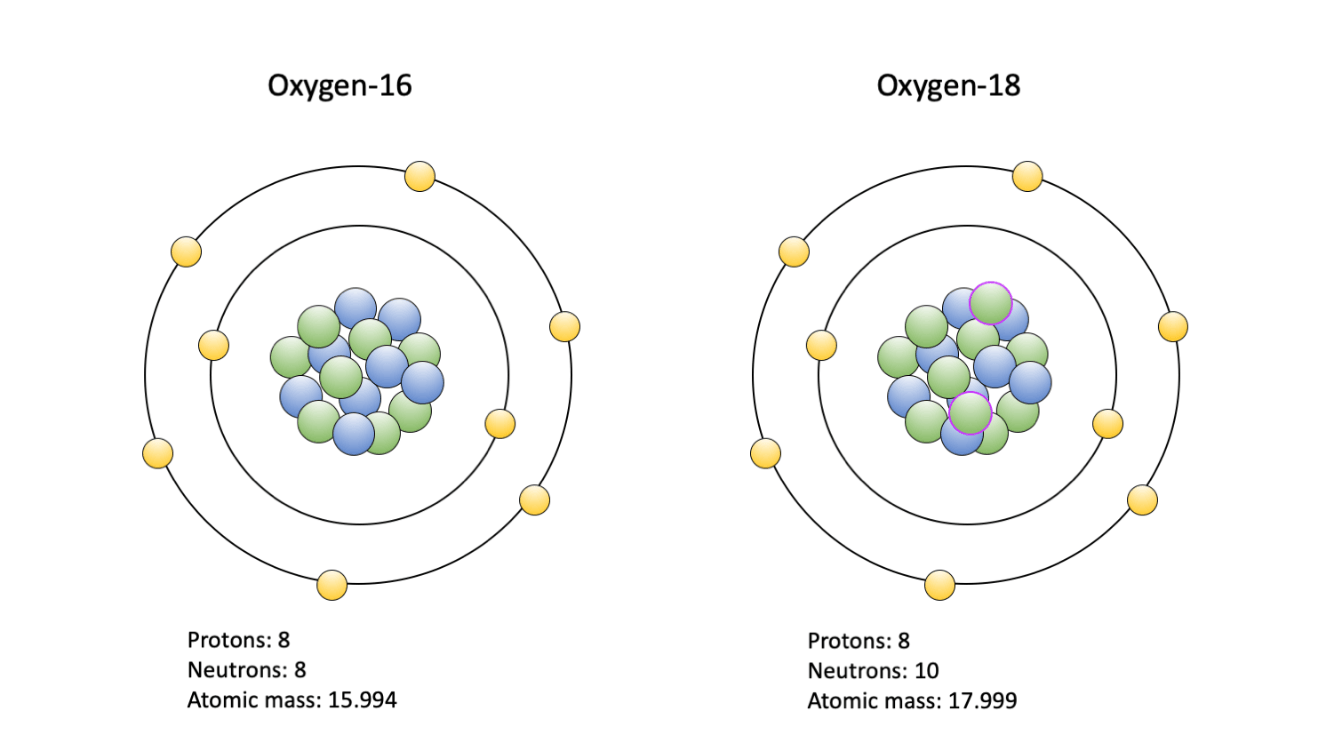
How many electrons does oxygen have?
8 electrons
2000
What is the average mass of of an element that has isotope A (70 amu; 50% abundance) and isotope B (72 amu; 50% abundance)?
atomic mass = [(70*50)+(72*50)]/100 = 71 amu
2000
Uranium atom (atomic #=92) undergoes 2 consecutive alpha decays. What element is it now?
Radium (atomic #=88)